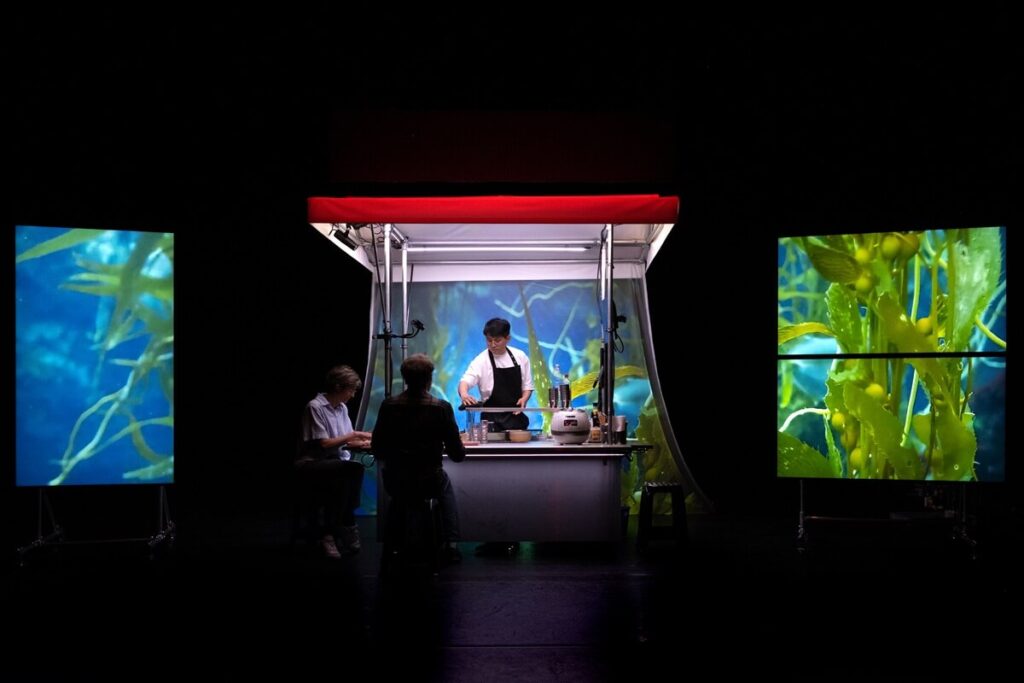
Talks, workshops and exhibitions on innovation: over 400 events across more than 150 venues
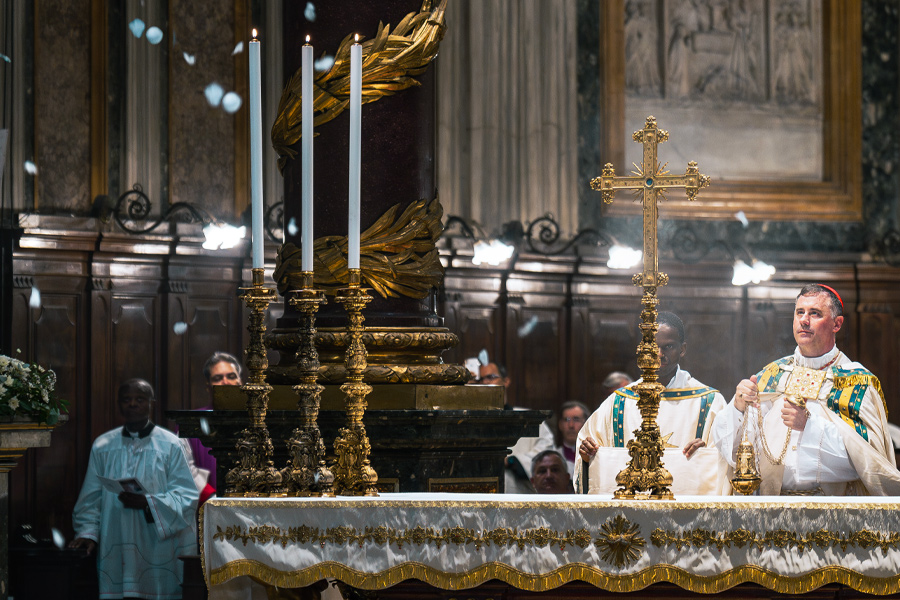
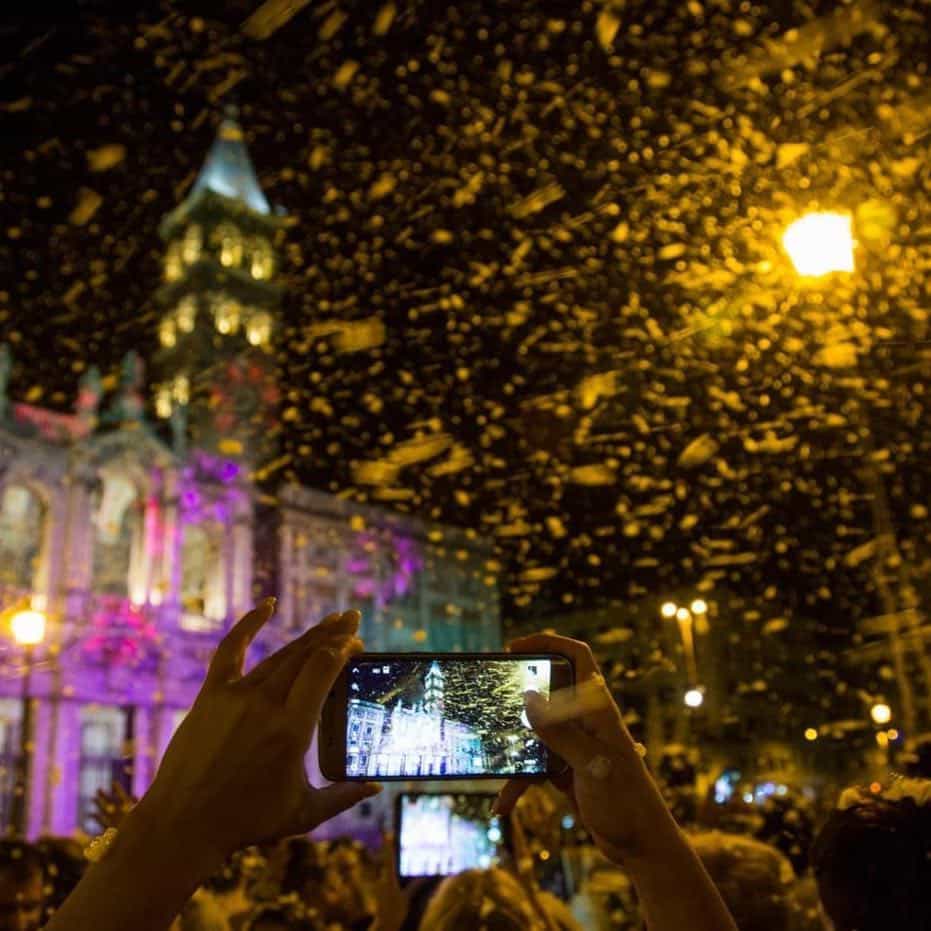
After a record-breaking edition with more than 75,000 participants, Rome Future Week returns: the city-wide event will take over more than 150 locations across Rome with over 400 events, running from 21 to 27 September 2026.
Historic palaces, parks, event spaces, university halls, labs, offices and coworking spaces will set the stage for hundreds of talks, workshops, exhibitions, immersive experiences and networking moments, organized by companies, startups, institutions, universities, public bodies and professionals.
“Materia Prima” (Raw Material) is the theme of this new edition of Rome Future Week, an invitation to recognize what comes before and makes every visible innovation possible.
The week is also about work. Rome Future Week 2026 will be a place to look for new opportunities, professional and personal: where companies meet talent and talent discovers who’s looking for them. A thread that runs through the whole event and has its own dedicated moments in the programme.
Cinema takes center stage this year. Corti Futuri returns, the contest dedicated to new audiovisual languages, now in its second edition and produced in collaboration with Rai Cinema and RUFA. Filmmakers and videomakers under 30 will tell the story of the city and its possible futures, shooting original short films over the days of the event, and the winning work will be made available on Rai Cinema’s channels.
And then there’s a neighborhood getting ready for a special week. Ostiense, with ROAD – Rome Advanced District as the edition’s main partner, will be one of the symbolic districts of Rome Future Week 2026: where the industrial archaeology of the Gazometro meets the Rome of tomorrow.
Participation is free. To explore all the available events, visit the official RFW website.
The climb toward elegance, and a first impression suspended in the air
The La Griffe experience begins before you even reach the top of the hotel, part of the BZAR hotels group, at Via Nazionale 13.
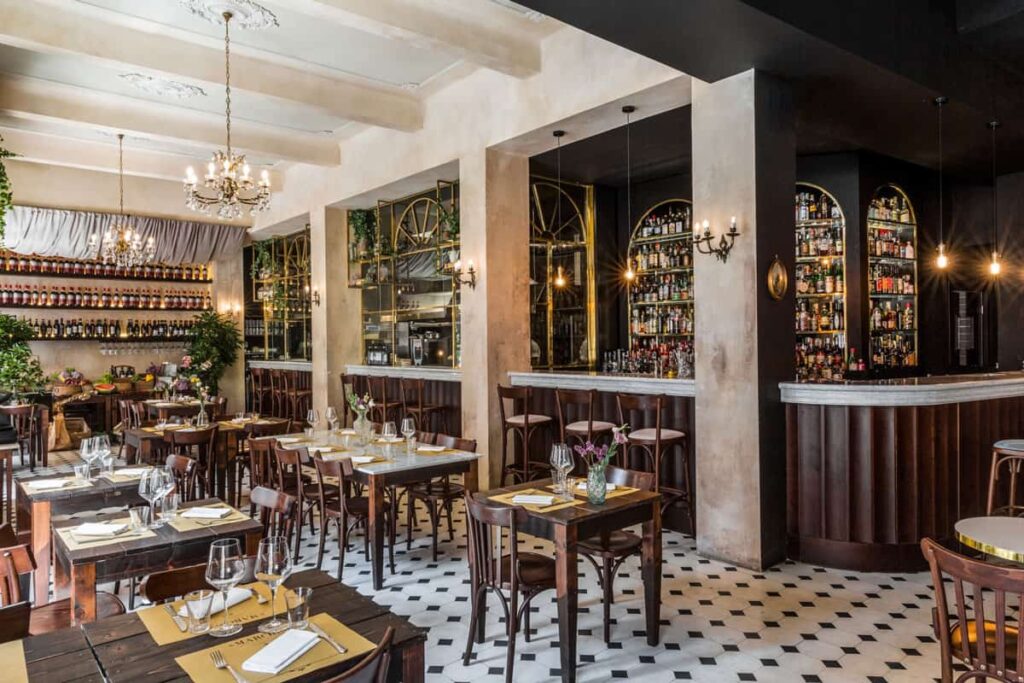
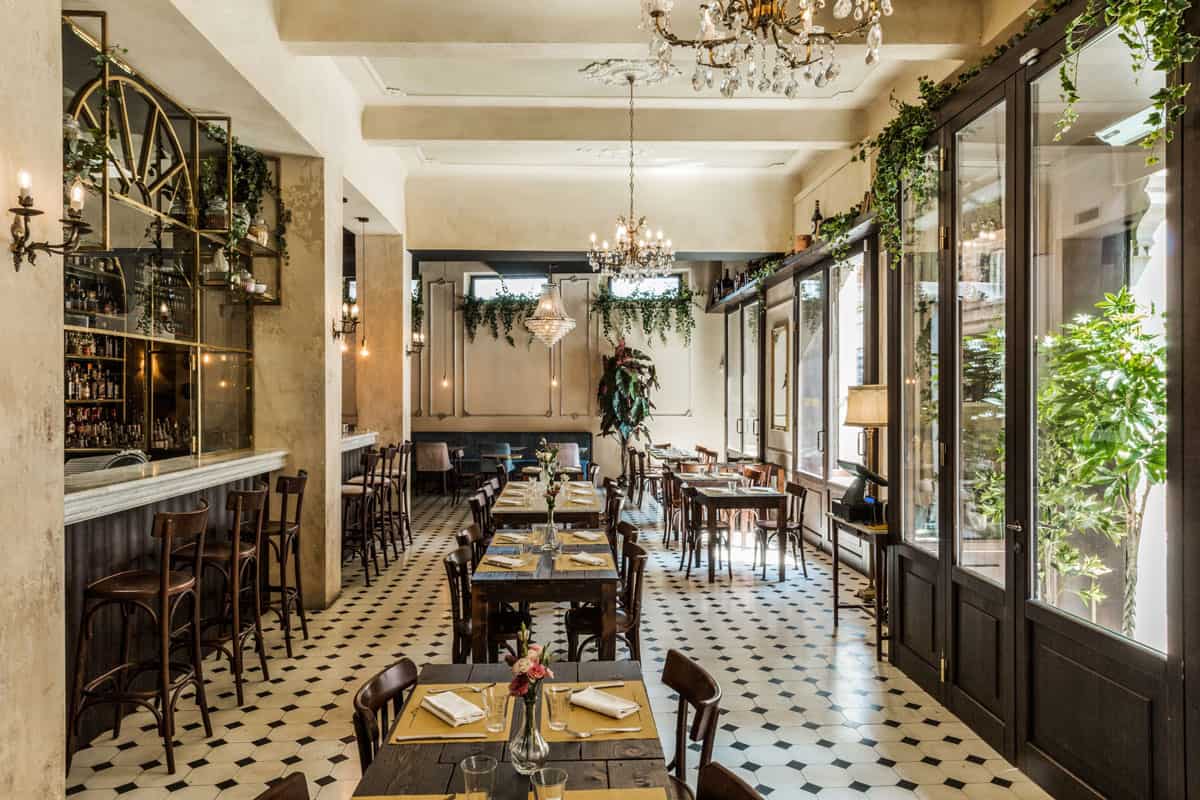
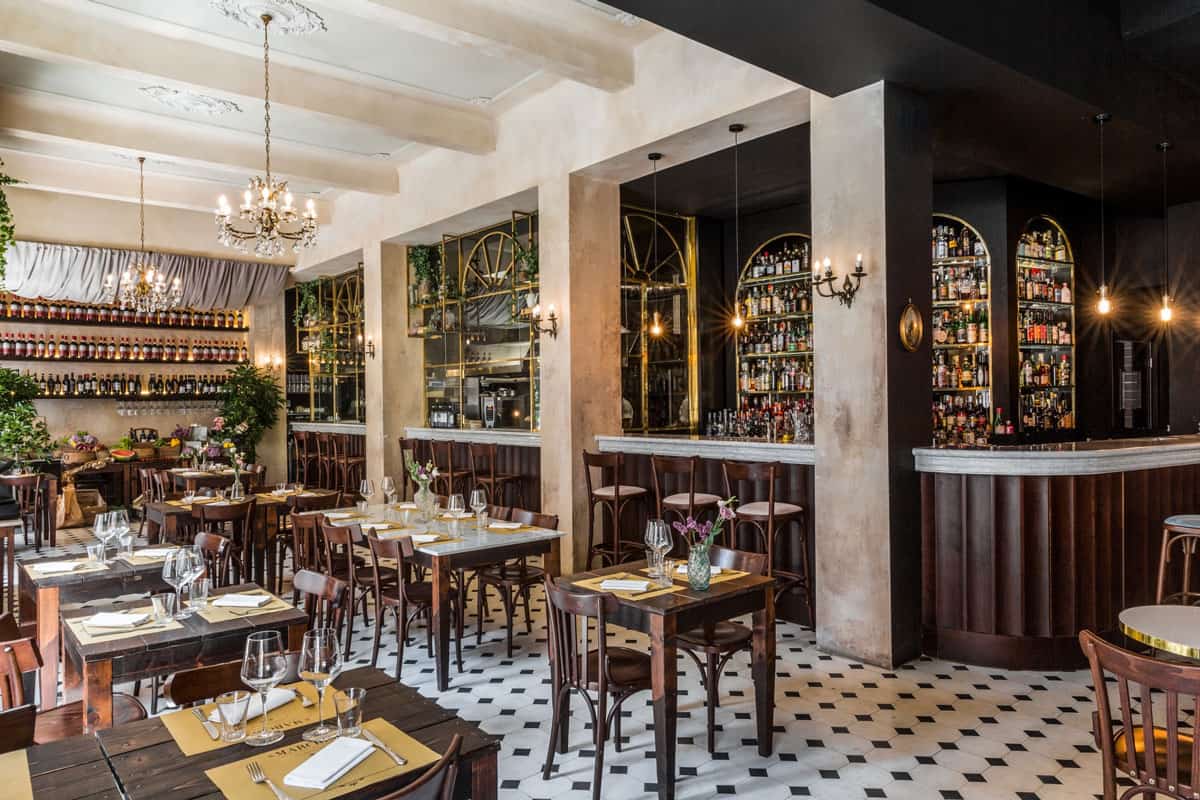
Step inside and the pace of the city falls away, replaced by a modern, low-lit elegance and a welcome that feels attentive from the front desk on. The elevator carries you up to the 9th floor, and the ride alone marks the shift from the noise of the street to the mood of the restaurant and American bar. The design gets your senses ready for what waits at the top.
Rome takes center stage: the skyline
Once you reach the 9th floor, the city opens up in full: one of the most complete and captivating views over the Eternal City, a visual embrace of Roman history. Your eye travels from the solemn white of the Vittoriano to the bell tower of St. Paul’s Within the Walls, before settling on the perfect curve of St. Peter’s dome.
It is striking at sunset, but the real magic happens during the blue hour, when the sun has dropped and Rome becomes pure visual bliss.
Aperitivo: signature mixology with a zero-waste approach
Aperitivo at La Griffe is not a quick stop, but a slow ritual meant to be enjoyed without rushing. The generous spacing between tables creates a rare sense of privacy, ideal for couples or families looking for a more exclusive setting.
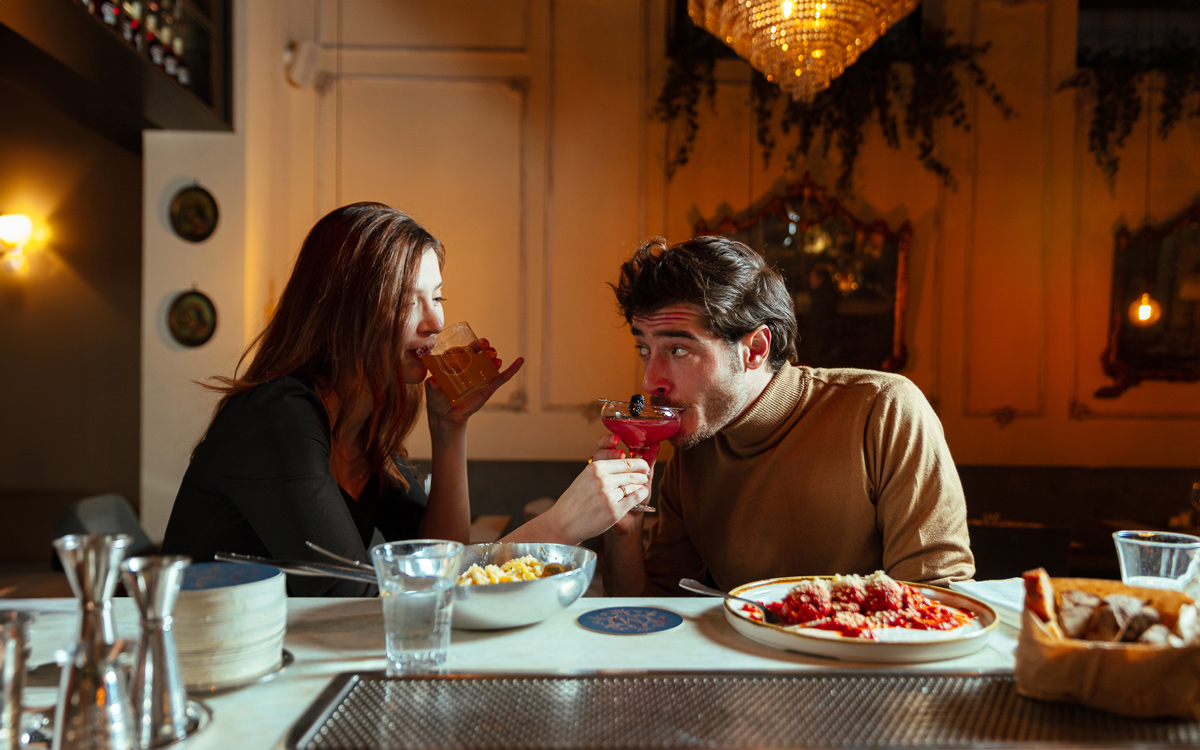
While you wait, the soft rock of Elton John or the Red Hot Chili Peppers plays in the background, and the bartender turns mixology into storytelling. His experimental, zero-waste approach comes through in creations like the signature cocktail that reworks the pairing of butter and sage, an immediate hit of surprise and pleasure for any kind of guest.
Dinner: tradition and research
The kitchen on the 9th floor lifts Italian cooking, now a UNESCO heritage, into a balance of tradition and innovation. Each course is designed as a sensory and aromatic journey, and we let the restaurant manager guide us through it. We were won over by the freshness of the beef tartare with peach and purple potato, the crunch of the cod with an anchovy-and-vinegar mayonnaise, and the creaminess of the fettuccine Alfredo with a touch of truffle.
The service is attentive and warm, a lead role in its own right, turning dishes like the seared octopus or the dessert of fresh ricotta and ripe mango into lasting memories for the palate.
Celebrations above the clouds: private events and weddings with a view
Beyond the everyday experience, La Griffe makes an ideal setting for turning private evenings and milestones into something memorable. On the 9th floor, the wide, light-filled spaces can be booked in full for corporate events and, above all, for elegant weddings with a panoramic view of Rome, backed by a dedicated menu that reflects the best of Italian cuisine.
For those who want to reach even higher, the panoramic terrace on the 10th floor, among the tallest and most spectacular in Rome, is available for more dynamic private events, complete with DJ sets and a lighter, more convivial menu. What stands out is the venue’s versatility: the upper terrace is not just for large events. Any guest can simply order a signature drink and head up to the 10th floor to take in the Roman skyline with friends or family, surrounded by one of the most captivating views over the city.
The emotional legacy: feeling expected, not just served
What stays with you after an evening at La Griffe is not only the wonder of the skyline, but a deeper sense of having been expected, not simply served. It is an experience that confirms the strength of the brand through effortless refinement and a staff that knows how to guide you with attentive, thoughtful gestures.
This is where Rome stops being a postcard and becomes an experience to live in, even for a single special evening. You head back down to the city with a genuine wish to return.
Exploring the Appian Way, one of the most ancient and well-preserved Roman roads.
Rome might be a bustling capital, with trafficked streets and packed attractions, but it also offers opportunities to unwind in nature, while breathing in ancient Roman history.
The Appia Antica, or the Appian Way, is what could be considered the first ancient highway, connecting Rome to Brindisi in Puglia. This historic road was once referred to as the Regina viarum or queen of the streets, a testament to its significance in ancient times.
The Appian Way owes its name to Appius Claudius Caecus, a Roman censor who oversaw the construction of the first part of the road, built as a military path to the south in 312 BC. Yes, it’s that old!
In July 2024, the Via Appia was inscribed as a UNESCO World Heritage Site, becoming Italy’s 60th listing and cementing its status as one of the most significant cultural routes in the world.
Today, the road is a remarkable relic of Rome’s past. It’s an essential stop on any Rome itinerary!
The first 16 kilometers of the Appian Way are now part of the Parco dell’Appia Antica regional park. This stretch of the road begins from Porta San Sebastiano and is lined with many ancient monuments on both sides. The road is remarkably well-preserved, constructed from large, flat stones known as basoli.
Some of the sites that have stood the test of time along the path include the Catacombs of San Sebastiano and the Catacombs of San Callisto. These catacombs served as burial sites for Christian martyrs. They are a fascinating and unique attraction to visit in Rome.
Further along is the Mausoleum of Cecilia Metella, built in honor of Cecilia Metella, daughter-in-law of Marcus Crassus, who was a prominent figure under Julius Caesar.
Another highlight is the Circus and Villa of Maxentius, a grand arena where chariot races were once held, situated next to the remains of Emperor Maxentius’ vast villa.
Next up is the Villa of the Quintili. It stands as Rome’s most extensive suburban villa, once owned by the two brothers Sesto Quintilio Condiano and Sesto Quintilio Valerio Massimo, notable figures during the era of Antoninus Pius and Marcus Aurelius.
Each monument/museum has its own opening times and prices, some being free. Or if you’re just looking for a daytime refuge from busy Roman life, bring a picnic and enjoy the sun on the park’s grounds!
The Appia Antica offers a perfect blend of history, sightseeing, and physical activity, especially if you opt to explore it by bike.
How to explore the Appian Way
The Appia Antica Regional Park is not far from the centre. To arrive directly at the official entrance of the park, take bus 218 from the San Giovanni area, bus 118 from Circo Massimo, or bus 660 from Metro A stops Colli Albani/Arco di Travertino.
This tour offers the opportunity to glide along the 2300-year-old Roman road effortlessly, passing by ancient ruins and monuments. Departing from the Ancient Appian Way, you’ll journey towards the ancient Roman aqueducts rising over the fields on the horizon and follow them on their way back to Rome.
Bike Tour of the Ancient Appian Way
4 hour off-the-beaten-path guided bike tour of Rome with quality electric-assist mountain bike.
For a different kind of adventure, consider a golf cart tourof the Appian Way & Roman Catacombs. This 3-hour excursion ensures a comfortable ride aboard an electric golf cart, with stops to admire highlights like the Mausoleum of Cecilia Metella, the Circus and Villa of Maxentius, and the Roman catacombs.
Golf Cart Tour of the Appian Way & Roman Catacombs
Jump on a golf cart, and combine the allure of the Appian Way and the mysterious depths of the catacombs hidden in a stunning protected area.
An excursion to the Appia Antica is perfect for the tourist who is tired of being squeezed into the capital’s most-visited sites, or for the Rome resident who is looking for something fun and different.
Either way, don’t forget to bring a hat, sunscreen, and plenty of water!
A personal guide on navigating your Roman solo adventure and finding community
A year ago, I packed a 32-kilogram backpack and set off for Italy. It was a disaster of a packing job, but this decision changed the way I see travelling. My first stop, and my first solo trip to Rome, was the obvious one: the Eternal City.
As a solo traveller, I was very nervous about being completely on my own. After all, for me solo travelling didn’t just mean wandering around the city with headphones on. It’s about the connections and the experiences you get to live outside of your comfort zone.
In my case, my stay in Rome lasted a month, so just imagine how scared I was. Maybe for you it’s a week, or just a few days in the city. It doesn’t matter how long you stay, it matters how special you make each moment.
I don’t have the magic formula to make your solo travelling experience perfect, but I can share the secrets of my own, in the hope of helping you with yours.
Is Rome safe for solo travellers?
Short answer: yes. Rome is a big, busy capital, and like any big city it asks for a bit of common sense, but I never felt unsafe walking around on my own, even at night in the central and lively areas. The main thing to watch is pickpocketing on crowded buses, around the metro and near the busiest monuments, so keep your bag closed and your phone somewhere secure. If you’re travelling solo as a woman, the usual precautions apply, but the historic centre, Monti, Trastevere and Prati are all comfortable areas to base yourself and move around in. Stick to well-lit streets at night, trust your instincts, and you’ll be fine.
Where to stay in Rome as a solo traveler: hostels are a cheat code
When I was planning my trip, I knew I wanted to experience the city in a fun way: making friends and doing more than just the traditional tours.
Coming to Rome was my first time ever in a hostel, but I’m glad I gave it a chance. A shared room in a hostel is one of the most culturally rich places you’ll ever walk into, and you leave with all the memories that come after a simple “Where are you from?”.
Hostels are truly a cheat code for friendship.
I stayed in one for a whole month as a volunteer, an arrangement where you help out a few hours a day in exchange for a bed, and I got to meet people from all over the world. We explored the city, visited an actual underground site, dipped our toes into Rome’s nightlife and even celebrated a traditional Cinco de Mayo party, piñata included.
There’s no match for the hostel feeling: everyone there is open to meeting people and having fun.
There are plenty of hostels in the city, so you can find one that matches your needs. Maybe you’re after a calm vibe, or maybe you want more of a party place: there’s one for every traveller.
And don’t worry if a shared dorm isn’t your style. Many hostels welcome non-guests to their evenings and events, so feel free to pop by and meet other travellers like yourself.
How to meet people in Rome: activities and free events
Beyond hostels, you’ll come across plenty of activities where you can meet people and learn something new.
The Eternal City has a lot to offer, from the classic sightseeing tours to unique experiences like making a mosaic from scratch. Whatever you’re into, there’s always something to do. From cooking classes to sketching in front of the Colosseum, you can find your tribe here.
During my stay, I stumbled upon a philosophy and literature club held in Spanish and open to anyone. We spent three hours talking about books at a bar in Pigneto. Needless to say, it was the best aperitivo hour I’ve had!
While tours and museums often require a ticket, many cultural activities around the city are free, like the outdoor cinema in summer. Even now that I live here, whenever I’m out of ideas I check Romeing’s activities calendar to stay updated on events and other happenings.
Rome can be home
Solo travelling, or travelling in general, is more than just seeing a place and taking good pictures. Even if only for a few days, it can lead you to experiences you never imagined and to people from across the globe you’d never have met otherwise.
Rome is beautiful, loud, chaotic and full of life. My biggest tip? Be open, lose the headphones, and don’t be afraid to start a conversation. You’ll find that Rome has a way of bringing people together.
See you around Rome!
Quick tips for your solo trip to Rome
Stay in a hostel for at least part of your trip: it’s the easiest way to meet people.
Join free or low-cost activities, from language clubs to outdoor cinema.
Base yourself in a central, walkable area like Monti, Trastevere or Prati.
Keep an eye on your belongings on public transport and in crowds.
Check Romeing’s events calendar to see what’s on while you’re in town.
Lose the headphones and start the conversation. Rome does the rest.
Guide to using buses in Rome: how to pay for public transport and where to buy bus tickets in Rome
In Rome you’ll walk a lot, and walking is never a bad option here. When the distances or the heat make it less appealing, the metro is the fastest way to cross the city, but there are only three lines (the newest, line C, is still expanding, with recent stops at Colosseo and Fori Imperiali), and they leave out a good part of Rome: Trastevere, Monteverde, the Pantheon and Piazza Navona all sit well away from a metro stop. That’s where buses and trams take over, and where you’ll end up spending most of your rides. The good news is that paying has become much simpler: tap a contactless card straight onto the reader and you’re done, no ticket needed. A standard ticket costs €1.50, lasts 100 minutes and works on all three.
Bus tickets cost €1.50 and are valid for 100 minutes from first activation. Remember, as soon as you get on the bus you must validate your ticket in the machine found near the doors. Not validating your ticket is the same as not having one and you are risking a fine from €100 to €500, reduced to €50 if you pay within five days. If the ticket validation machine isn’t working, use a pen and write the date and time you got on the bus, this way you won’t risk any fine.
How the ticket works and what it covers
One ticket covers everything: buses, trams and the metro all use the same BIT, which costs €1.50 and lasts 100 minutes from the moment you validate it. Within those 100 minutes you can take as many buses and trams as you like, changing as often as you need, but only one metro journey.
You can change between metro lines on the same ticket, though you can’t go back through the turnstiles between lines A, B, B1 and C. The only exception is the change between line A and line C.
What’s not covered by Rome public transport tickets
While the same ticket will allow you to travel on buses, trams and metros, they aren’t valid for other means of transportation. These include:
private airport shuttle buses to and from Rome’s Ciampino airport (though the standard €1.50 ticket does work on city bus lines 520 and 720)
the Leonardo Express train
How to pay for buses in Rome
There’s no buying a ticket from the driver in Rome (except on a few lines). The quickest way to pay is simply to tap a contactless card as you board, but if you’d rather have a physical ticket there are plenty of places to get one. Here are all the options.
Tap & Go
You can skip the ticket machines entirely and use Tap & Go: just tap your contactless card, or your phone or smartwatch, at the metro turnstiles or on the readers on board buses and trams. It charges you a standard €1.50 BIT, valid 100 minutes, with no ticket to buy in advance and nothing to validate. The clever part is the daily cap: if you tap more than five times in 24 hours with the same card, the system automatically switches you to the €8.50 daily fare, so you never pay more than a ROMA 24H ticket.
Two rules to remember: one card per person, so everyone travelling with you needs their own card or device, and always use the same card all day, because if you alternate between phone and card the cap doesn’t add up. If an inspector boards, just show the card or the wallet you tapped with.
Tap & Go works on all ATAC and Roma TPL buses and trams, across the whole metro network and on the urban stretches of the Roma-Lido and Roma-Viterbo lines. It does not work on the Leonardo Express, Cotral regional buses or Trenitalia regional trains.
Tabacchi Shops
In Italy, Tabacchi shops are the go-to shops for many different purposes: buying cigarettes, buying public transportation tickets and paying your bills, to name a few. Just go to any Tabacchi in Rome (the shops with the black and white T sign) to purchase your bus ticket. If you’re staying in Rome for a while and are planning on using the public transportation system often, we recommend you get a monthly pass, which you can top up at most Tabacchi shops.
Edicola (newsstands)
The newsstands you see spread around the city are called edicole. In addition to purchasing magazines and newspapers, they also sell bus tickets.
Ticketing Apps
If you’d rather buy on your phone, the main option is MooneyGo, the app formerly known as myCicero, which sells ATAC tickets and passes and works with more than 140 transport operators across Italy, so it’s useful well beyond Rome. You need to add a payment method or top up your wallet before buying, so set it up before you travel rather than at the bus stop. ATAC also accepts tickets bought through other partner apps, including Telepass, Wetaxi and Urbi, and all of them display a digital ticket you show to inspectors.
Metro Stations
Buses, trams and the metro all use the same tickets, so the self-service machines in every metro station are one of the easiest places to buy. You’ll find the €1.50 single ticket, the MULTIBIT with ten rides for €15, the ROMA 24, 48 and 72-hour tickets and the weekly CIS card. The machines take cards and cash and switch to English. The queues at Termini can be long in high season, so if you have a contactless card, tapping straight at the turnstile saves you the wait.
Roma Pass
If you’re in Rome for a few days and plan to visit museums, the Roma Pass combines unlimited public transport with free or reduced entry to the city’s cultural sites. It’s sold in 48 and 72-hour versions and can be bought online before you arrive.
Beyond the single BIT, there are tickets for unlimited travel. The ROMA tourist tickets cost €8.50 for 24 hours, €15 for 48 hours and €22 for 72 hours, each valid from first validation. If you’ll be taking several rides a day without needing a full pass, a MULTIBIT gives you ten single tickets for €15. For a longer stay, the weekly CIS card costs €29 and runs until midnight on the seventh day, while a monthly pass is €35, or €53 for the transferable version that more than one person can use. Children up to the age of 10 travel free when accompanied by a paying adult.
Worth knowing: if you use Tap & Go, you don’t need to work any of this out. Tap more than five times in 24 hours with the same card and the system charges you €8.50, the price of the daily ticket, automatically.
Rome Becomes the Capital of World Mixology on September 14-15 under the motto Mix is our business.
For two days this September, Rome turns into the meeting point for the international cocktail world. Roma Bar Show returns on 14 and 15 September 2026, and for the first time it moves into La Nuvola, the striking Fuksas-designed venue in the EUR district. It is the sixth edition of the only Italian event dedicated entirely to mixology and the beverage industry, and this year it comes with more space, a bigger international line-up and a few genuinely new ideas.
The move to La Nuvola is not just cosmetic. The larger, more functional halls give room to hundreds of exhibitors and buyers from more than thirty countries, which is exactly the crowd that has turned Roma Bar Show into a fixture on the global circuit since it launched in 2019. The September dates also give Rome a strategic spot at the front of the international calendar, ahead of events like London Cocktail Week.
A new space for no and low alcohol
The headline addition this year is Future Drinking, an area built entirely around no and low alcohol drinks. Once a niche, alcohol-free and low-ABV cocktails have become one of the fastest-growing parts of the global drinks market, and the new space brings together tastings, products and talks for anyone curious about where the category is heading. Alongside it, two of the show’s most loved formats return: the Mexican Village, a deep dive into Mexican culture and spirits, and the Educational Program, the technical heart of the event.
The big names behind the bar
The Auditorium, Tasting Room and Academy host the masterclasses and seminars, with some of the most influential bartenders in the world sharing not only their drinks but the thinking and the business vision behind their venues. This year’s guests include Faye Chen of the multi-award-winning Double Chicken Please in New York, Jonathan Gabbay of Argo in Hong Kong, Marco Corallo of Saikindō in Abu Dhabi and Alex Frezza of L’Antiquario in Naples, among many others.
Beyond the bar counter
Roma Bar Show 2026 leans harder into the business side of hospitality with the Business Room, a new program of seminars on leadership, management, brand building, data and career development for professionals who want to grow beyond the bar. On the trade side, the Buyer Program, run with ICE and Fiere di Parma, connects exhibitors with importers, distributors and decision makers, supported by a new app for booking B2B meetings before and during the event.
The city joins in
As always, the show spills out into Rome itself. A packed program of off-site events, guest shifts, tastings and appearances by international bartenders takes over cocktail bars across the city, so even visitors without a trade pass can catch a piece of the action in their evening out.
Tickets: available through the official Roma Bar Show ticketing site
If you are in Rome that weekend and love a good cocktail, it is worth planning your evenings around the fuori salone events, when the city’s best bars put on their most interesting shifts of the year.
Looking for the best gelato in Rome? From historic gelaterias in the city center to creative artisan shops in Trastevere, Prati, Monti and beyond, Rome is home to some of Italy’s finest gelato. Whether you’re craving classic flavours like pistachio, hazelnut and stracciatella, refreshing fruit sorbets, vegan gelato or bold gourmet combinations, the Eternal City offers endless spots for an unforgettable cone or cup. Here’sour guide to the best gelato shops in Rome, including must-try addresses loved by locals and visitors alike.
How to spot real gelato in Rome
Not all gelato in Rome is made the same. A few signs give away the industrial stuff: gelato piled high in fluffy mountains, unnaturally bright colours (banana should be greyish, pistachio dull green, not neon), and metal tins covered with lids rather than open display. Real artisan gelato is stored flat in covered pozzetti or low in the tray, changes with the seasons, and the shop will happily tell you where the pistachio or hazelnut comes from. Expect to pay around €3 to €4 for a small cone, more in the centre.
Top Location: Via Tiburtina, 6 (San Lorenzo); Circonvallazione Nomentana 282-286; Via Gargano, 6/8 (Piazza Sempione); Piazza Alessandria, 19 (Porta Pia); Kiosk at Piazza Vittorio Emanuele II, 106 (Gatsby Cafè)
Why: The main focus of owners Maurizio and Flavia of Gelato San Lorenzo is to create a model of pure gelato in Rome, with 100% natural ingredients, free of the added, unnatural substitutes that are often used to give gelato its taste, sweetness and consistency. In place of the usual thickeners, natural plant fibers bring out the creaminess you look for in a good gelato, with less sugar and less fat, keeping the full intensity of the taste. Every flavor is made fresh in-house each day, and there’s a wide vegan and no-added-sugar selection too.
Romeing recommends: raspberry and basil; the vegan avocado with lime, black pepper and sea salt; and sorbets like lemon and Roman mint or passion fruit with dark chocolate shavings.
Location: Via di Grotta Perfetta, 125 (Montagnola)
Why: Giuseppe Bassanelli is a “gelato maker by chance”: after a serious accident, he embraced the sweet world of gelato and opened I Mannari in 2001, now one of Rome’s most beloved artisan gelaterias. His recipes are made with high-quality fresh milk, cream, carob seed flour and guar gum, with a constant focus on fresh ingredients. Recently featured by CN Traveler’s “Where Chefs Eat” format.
Romeing Recommends: its many shades of chocolate, pistachio and, above all, its cremolati, to be enjoyed with whipped cream, yogurt, gelato or granita
Since 2014, Grezzo has been winning awards for its vegan and raw pastries, chocolates, and ice cream. Here, the ice cream contains no eggs or milk, and all ingredients are processed at temperatures never exceeding 42°C. The base is made from dried fruit, organic coconut sugar, and whole grains. Try the pistachio, hazelnut, almond, and chocolate flavors. There are several locations in Monti, Ghetto, and Parioli.
Romeing Recommends: Go for the traditional: chocolate and pistachio!
Why: Cremilla tells us a story of local farmers and food artisans committed to creating a product where taste and quality meet naturally. Besides a great selection of ice cream, Cremilla offers fresh seasonal juices, crepes – either plain or chocolate, flavoured waffles, pancakes, smoothies, milkshakes and organic yoghurt.
Romeing Recommends: try yogurt, figs and nuts, and their tiramisu.
Top Locations: Piazza degli Zingari, 5 (Monti), Via Roma Libera, 11 (Trastevere), Via della Croce, 46 (Via del Corso), Via dei Chiavari, 37 (centro Storico), Via Aosta 3 (Re di Roma), Via Lago di Lesina, 9/11 (Nemorense)
Why: Each visit to Fatamorgana is a new adventure for your taste buds. They change their selection frequently and their more creative flavors range from black rice and rose petal, to avocado, white wine, and lime, to their bestseller, basil, walnuts, and honey. Gelati made without sugar and dairy are available, as are gluten-free cones. For a lighter option opt for their yummy cialda-cono.
Romeing Recommends: The zaniest flavor they offer! Go wild!
Top locations: Piazza di Sant’Eustachio, 47 (Pantheon); Via dei Pettinari, 43 (Campo de’ Fiori); Via Giolitti 36 (Mercato Centrale Stazione Termini)
Why: With three gelato shops scattered around the historic centre of Rome, there’s no excuse not to try Günther’s gelato in Rome. Top-notch ingredients, seasonality and fresh fruit are at the base of Gunther Rohregger’s philosophy. The milk used is exclusively micro filtered and organic; the water used for the sorbets is Plose; and the flavors absolutely unique.
Romeing Recommends: You can’t leave Günther without trying their extra dark chocolate, pino mugo and strawberry sorbet.
Why: This new gelato spot in the Portuense area has a goal to make “gelato per tutti” – gelato for all. Their gelato is 100% gluten-free, including their cones, with minimal added sugars, no emulsifiers, hydrogenated fats, or artificial flavors. Everything is handmade daily in their small lab, and the flavors change with the seasons. They also offer a wide variety of vegan options.
Romeing Recommends: their popcorn flavor, a unique mix of salty and sweet.
Freddo Gelato
Top Locations: Piazza Tuscolo 7/8/9 (San Giovanni / Re di Roma)
Why: Their concept is based on simplicity and quality – all gelatos are prepared daily in their exposed laboratory and are 100% homemade. That means no preservatives or dyes – something I was able to spot right away from the metal tins they use. Like their name, their concept is simple, but the flavors are anything but. With unique options ranging from pineapple and curcuma, raspberry and basil, the options are extremely unique but always seasonal.
Top Locations: Via dei Gracchi, 272 (Prati), Via di Ripetta, 261 (Piazza del Popolo), Viale delle Province, 30 (Piazza Bologna)
Why: Skip the tourist traps around St.Peter’s Basilica and Piazza del Popolo, and make a beeline for Gelateria dei Gracchi, consistently rated as one of the best gelato in Rome. Gracchi’s flavors faithfully follow the seasons, and range from apple and mint, to rum spiked chocolate, to sweet melone, or cantaloupe.
Romeing Recommends: Pear and caramel. Sweet, sharp, and smooth all at the same time, and the pistachio, laced with toasted, Bronte nuts.
Want all these gelaterie on your phone? Our Rome Google Maps Guide pins every spot we recommend, gelato included, straight into Google Maps and sorted by neighbourhood.
Top location: Via Felice Cavallotti 36/B (Monteverde)
Why: La Gourmandise mixes exotic ingredients like lavender, saffron, ginger, and rose water with natural ingredients often sourced at the open-air market on the parallel street. For the lactose intolerant, there are water-based flavors such as honey mango, as well as gluten-free options. And guess what… only Maltese goat’s milk is used, which makes ice cream lighter and easily digestible. This gluten-free gelateria has also been awarded three cones by Gambero Rosso, a prestigious recognition in the world of Italian gelato.
Romeing Recommends: Combine their Roman mint and lemon zestes to their caramel meringue parfait, you won’t regret it.
Top Location: Via Principe Eugenio, 65 (Esquilino)
Why: Established in 1880, this family-run gelateria is said to be the oldest in Rome! Over 100 years later, with ample seating and an even bigger array of flavours, Il Palazzo del Freddo is still as popular as ever. Gelato is freshly made daily and to this day remains faithful to the original recipes of founder Giovanni Fassi. Seeking authentic gelato in Rome? Why not start where it all began!
Romeing Recommends: The rice flavour seems an odd choice but is surprisingly delicious! Plain and simple and brought to life when coupled with a decadent hazelnut chocolate. Or, try their signature sampietrini, little squares of gelato coated in chocolate which are meant to resemble Rome’s cobblestones.
Top Locations: Via San Simone, 70 (Navona), Lungotevere dei Vallati, 25 (Campo dei Fiori/Lungotevere)
Why: Conveniently located a short walk from Piazza Navona, Gelateria del Teatro concocts its gelato with high-quality ingredients like Avola almonds from Sicily and lemons from the Amalfi Coast. Flavors range from classics like strawberry and coffee, to wildcards like lavender with white peach, dark chocolate infused with red wine, and sage with raspberry.
Romeing Recommends: Rosemary, honey, and lemon, a refreshing and unique treat for the palate.
Top Location: Via Uffici del Vicario, 40 (Pantheon)
Why: Established in 1900 and still a family run business to this day, Giolitti is arguably one of the most famous gelateria in Rome. Their location near the Pantheon is the original store, and is hands down the most elegant place to devour a gelato in Rome. They also have other sweets, such as ice cream cakes, pastries, and chocolates.
Romeing Recommends: The Coppa Giolitti, a gelato “sundae” with custard, chocolate, zabaione, cream, and hazelnut shavings.
The Monteforte bakery is expanding not only with Mons cocktail bar and La Quercia tavern, but also with Pellegrino Gelateria Monteforte. A small shop with a counter between Regola and Parione Pellegrino districts, offering a small but high-quality selection of delicious ice creams such as amarena cherry, bacio, coconut, peanut butter, and caramel. Ice cream cakes and ice cream bars are also available.
Romeing recommends: panè, their artisanal brioche, obviously filled with ice cream.
Top Location: Via Silvio Spaventa, 24 (Repubblica/Barberini)
Why: Come il Latte is dedicated to quality, and create their flavors with seasonal ingredients. If the richness of the gelato isn’t enough, you can add swirls of chocolate or flavored cream topping.
Romeing Recommends: Their summer fruit flavours, or, if you like something richer, their salted caramel.
Top Location: Via di San Cosimato 14/a (Trastevere), Viale dei Quattro Venti, 70 (Monteverde)
Why: To understand Otaleg’s approach to gelato, just step into the store. Marco Radicioni is the most famous unconventional ice cream maker in Rome. In his Otaleg! shops in Trastevere and Monteverde, he offers classic evergreen flavors alongside more daring creations like guacamole, spicy ketchup, or salmon.
Romeing Recommends: A must-try is the Croccante Totale, made with fior di latte, toasted nuts, honey, and sesame.
Top location: Via Giuseppe Bagnera, 59 (Portuense)
Criollo is Simona Papagno’s ice cream bistro, opened in the Portuense area after she studied at the Italian School of Gelato in Perugia. Not only ice cream but also aperitifs and food tastings enrich the offer. The flavors can also be tasted inside a brioche or on a waffle.
Romeing recommends: Try their sugar-free flavors, which are every bit as good as traditional gelatos.
Top Location: Via della Lungaretta, 96 (Trastevere)
Why: Fior di Luna is composed of true, certified organic and fair trade gelato artisans. They source most of their ingredients locally, and sometimes offer gelato making courses.
Romeing Recommends: Fior di Luna prides itself on their sorbets – only fresh, seasonal fruit is used, and they serve as a perfect pick-me-up after a long day of sightseeing in the heat.
Top Locations: Via Ostiense 48, (Ostiense), Via Cola Di Rienzo 2 (Prati), Via Venti Settembre, 60 (Repubblica), Via Magna Grecia 47A (San Giovanni), Viale Europa 121 (EUR), Piazza Sant’Andrea della Valle, 1 (Centro storico)
Why: Established in 1947 as a family run gelateria, La Romana have now expanded all over Italy. They have strict production rules, eco-friendly packaging and they publish a full list of ingredients on their website. Creative artisan gelato with a conscience.
Romeing Recommends: Mascarpone, raspberry and toasted pine nuts, or cream scented with vanilla and lemon rind, or nougat with hazelnuts and chocolate….
Alberto Zezza, a former economist who opened Zelato in the San Lorenzo area, changed his life and started making ice cream, ethical and high quality, prepared with seasonal ingredients. Try the pistachio, also available in a vegan version, and the coffee flavor, made with beans from the Lazzarelle roastery inside the women’s prison in Pozzuoli.
Romeing recommends:Latte d’Oro, a turmeric, cinnamon, and honey ice cream flavor described as special and delicious.
Top Locations: Via del Governo Vecchio, 112 (Navona)
Why: Frigidarium is an artisanal gelateria that blends ancient and modern techniques to create intensive flavors. The balanced combination of quality ingredients – cherry-picked by the owners each day – creates a special tasting experience. Don’t expect your typical flavors at Frigidarium.
Romeing Recommends: Their pistachio and cream are a must-try! Don’t leave without having their chocolate sauce poured over your gelato, as to form a chocolate shell …
Top Locations: Via Luigi Poletti, 6 (Flaminio), Via Federico Cesi, 1 (Prati), Via Nomentana, 335f, Via Veneto, 112 (Barberini), Via dei Banchi Vecchi, 140 (Centro Storico), Piazza Carlo Alberto Scotti, 12 (Colli Portuensi)
Why: Neve di Latte offers delicate, genuine and light flavors created through the use of organic products. From DOC and DOP hazelnuts, pistachios and peanuts to biodynamic milk from Upper Bavaria and strictly seasonal fruits, you can be sure that at this gelateria you’ll taste some creamy and intensive flavors. All flavors are absolutely free of dyes, refined sugars and chemical preservatives.
Romeing Recommends: Their dark chocolate with orange, pistachio, fig sorbet and basil sorbet are just some of their amazing flavors!
Top locations: Viale Regina Margherita, 95-99 (Nomentana)
Why: beautiful and bright space with outdoor seating for the people watchers amongst us. They offer cakes, ice cream and savoury options, all with thoughtful and fresh ingredients. Marta Boccanera and Felice Venanzi’s lifelong love of pastry led them to create this meeting point where you can enjoy 100% artisan gelato and pastries. Summer is all about their semifreddi.
Romeing Recommends: The semifreddi are impressive: the mango alphonso and the raspberry with coconut praline
Why: Found in various locations just outside of the city center, Il Gelato di Claudio Torcè offers a selection of flavors to fit anyone’s fancy. Boasting an impressive 13 different chocolate combinations alone, they also head in a savory direction, going as far as a spicy jalapeno or bold gorgonzola!
Romeing Recommends: Strange as it seems, celery is an ever-popular choice. Or why not take advantage of the endless chocolate combinations such as the chocolate and Himalayan salt?
Formaessenza di Stefano Ferrara
Top Location: Via Enrico Fermi, 102/104 (Marconi)
Why: Formaessenza is a unique gelateria with an industrial style, featuring earth-colored bricks and an open-view laboratory. It offers a new vision of gelato through innovative techniques and product lines, including Kelato®, completely sugar-free, ideal for those following specific diets such as people with obesity, type 1 and 2 diabetes, cancer patients, and those with cardiovascular diseases.
Romeing Recommends: Try their gelato in jars, on sticks, and in single servings.
Giuffrè
Top location: Viale Trastevere, 255 (Trastevere)
Why: the Giuffrè family has made gelato for over a century, starting with Giovanni Giuffrè in Sicily, continuing with his son Stellario and his son Giuseppe opening their first gelateria in Roma in 2018. Their gelato is fresh and genuine, obtained with local milk, delicious pistachio, sheep ricotta, Slow-Food honey, Valhrona chocolate and so forth.
Romeing Recommends: Try the Trasteverino flavor with salt cookies and gianduia, or Porta Portese with hazelnuts and toasted almonds and gianduia, or Portonovo with caramel chocolate and salty peanuts.
If tasting isn’t enough, you can learn to make it. Our gelato-making experience takes you into a Roman gelateria to make your own batch from scratch with a professional gelatiere, while the pasta and gelato cooking class combines fresh pasta and gelato in one afternoon in the historic centre. Both end with eating what you’ve made.
From May 28 to July 12, 2026, Rome’s piazzas will be transformed into open-air movie theaters as the free outdoor film festival “Il Cinema in Piazza” returns.
Minutes from the centre, an oasis of calm between nature, good food and days by the pool
Who says you have to leave Rome for a full day of relaxation? Set in the green of the Appian Way Regional Park, just minutes from the city centre, Adoro Hotel is the ideal retreat to step away from the daily rush. And this summer there’s one more reason to treat yourself: the new outdoor pool, set in the hotel garden and open to non-guests as well since last July.
It’s the first pool by the BZAR hotels group in Rome, another addition that reinforces the wellness character of this address overlooking the timeless charm of the Regina Viarum: a true urban oasis where you can spend the day between water and greenery, far from the traffic running just a few kilometres away.
The pool: day pass
A day pass for non-guests costs €40 per person and includes a sunbed, pool towel and flip-flops (parasol subject to availability). Access is by reservation only (and while spaces last) by writing to info@adorohotel.it, with confirmation within 24 hours. Good to know: outside food and drink are not allowed, and entry is reserved for adults.
Dinner at Ristorante Elisia
After a day by the pool, the break can continue at the table. Elisia, the restaurant of Adoro Hotel, is open for dinner every day, including for non-guests, from 7.30pm to 11pm. The kitchen follows traditional Roman cuisine, built on fresh, seasonal, zero-mile ingredients from local producers, with aromatic herbs grown in the garden next to the restaurant. Every dish is a tribute to the land: respect for tradition and a love of quality. Those who prefer to be guided can choose Il Percorso Elisia, the four-course tasting menu at €35 per person (full menu here).
And for those who stay the night
Guests at Adoro Hotel also have access to the wellness area: the Urban SPA, with whirlpool, Finnish sauna, Turkish bath and sensory shower, plus a well-equipped fitness centre. The hotel also offers dedicated wellness packages, turning a stay into a genuine restorative break steps from the Appian Way.
Adoro Hotel – Pool & Urban SPA
Via delle Sette Chiese 280b
Pool: from 18 July, day pass €40 (open 8am–6.30pm, adults only, by reservation)
Italy’s digital nomad visa lets non-EU remote workers and freelancers live in Italy for a year, with the option to renew.
But there’s a catch…
The application is paperwork-heavy, and the requirements are quite specific. A missing document (or the wrong type of health insurance) is the most common reason applications get refused.
In this guide, you’ll learn:
Who qualifies for Italy’s digital nomad visa
The 2026 requirements
Why the health insurance requirement can trip up applicants
How to apply
What the visa costs
But if you’re looking for the short version, here’s how to get the DNS visa:
Before applying: Check you meet the income, qualification, and experience requirements.
While preparing your file: Secure accommodation in Italy and a health insurance policy that covers the full 12 months.
At your consulate: Book an appointment, submit your documents, and allow 30 to 90 days for a decision.
Within 8 working days of arriving in Italy: Apply for your residence permit (permesso di soggiorno).
Now, let’s get into the details.
Does Italy have a digital nomad visa?
Yes. Italy introduced its digital nomad visa in April 2024, and it’s open to non-EU citizens who work remotely using digital tools. The visa covers two groups: freelancers and business owners (the “digital nomads”) and employees of companies based outside Italy (the “remote workers”).
The visa is valid for one year and renewable annually, as long as you still meet the requirements. It also sits outside Italy’s regular work-permit quotas, so there’s no cap on how many can be issued each year.
That makes it one of the most accessible routes into Italy for remote workers right now.
Italy’s digital nomad visa requirements
To qualify, you’ll need to show:
Non-EU citizenship. EU and EEA citizens don’t need a visa to live and work in Italy.
Remote work. Your clients or employer must be based outside Italy, and your work must be doable with digital tools.
“Highly qualified” status. A university degree, a professional accreditation, or at least five years of documented professional experience (three years for IT professionals).
Six months of experience. You need a track record of at least six months in remote work or in your professional field.
Minimum income. Roughly €25,000 to €28,000 per year, depending on how your consulate applies the rule (the law sets it at three times the minimum threshold for exemption from Italian healthcare charges). Check your consulate’s exact figure before applying.
Accommodation in Italy. A registered lease or property deed. Hotel bookings and short-term rentals usually don’t count.
A clean criminal record.
Health insurance that covers your entire stay. A policy covering sickness and hospitalization, valid for the full 12 months of the visa. More on this below, because it catches a lot of people out.
Health insurance requirements
Italian consulates want proof of health insurance that covers you for the whole visa period (meaning a full year).
That rules out travel insurance. Rolling monthly policies and short-term travel plans get applications refused, because they don’t guarantee coverage for the entire stay. And most policies that do run for 12 months ask you to pay the whole year upfront, before you even know if your visa is approved.
There’s a middle path: Feather’s expat health insurance is a 12-month policy that meets the visa criteria, and you pay monthly. You get the year-long coverage the consulate wants to see, without the year-long bill. The policy and support are in English, and you can cancel anytime if your plans change.
Whichever insurer you choose, check three things before you buy:
The policy lasts 12 months (or more)
It covers sickness and hospitalization in Italy
You can get a certificate of coverage in English or Italian for your application
How to apply, step by step
Gather your documents: Passport, visa application form, proof of income (tax returns or payslips), proof of remote work (contracts or client agreements), proof of qualifications or experience, accommodation documents, criminal record certificate, and your insurance certificate.
Book an appointment at your Italian consulate: Jurisdiction depends on where you legally live, and appointment slots can take a while, so book early.
Attend your appointment: Bring your file organized and complete. The visa fee is around €116.
Wait for the decision: Most applications take 30 to 90 days. Complex freelance cases can take longer.
Travel to Italy and apply for your residence permit: You have 8 working days after arrival to request your permesso di soggiorno at the local immigration office (the permit costs roughly another €116 to €126).
Get your codice fiscale: You’ll need this tax ID for almost everything: renting, banking, and healthcare included.
Costs & taxes with the DNV
Item
What to expect
Visa fee
~€116
Residence permit
~€116–€126
Health insurance
Varies by age and coverage; paid monthly with Feather
Minimum income
~€25,000–€28,000 per year
Visa length
1 year, renewable annually
Planning for taxes
If you spend more than 183 days a year in Italy, you’ll generally become an Italian tax resident, which means Italy taxes your worldwide income.
Depending on your situation, regimes like the flat-rate scheme for freelancers (forfettario) or the impatriate regime can lower the bill considerably.
This is one area where we’d point you to a professional: a good commercialista (Italian tax accountant) will pay for themselves.
Frequently asked questions
Can I bring my family?
Yes. Your spouse or legally recognized partner and your minor children can join you through family reunification. Expect higher income and housing requirements if they do.
Can I renew the visa?
Yes, annually, as long as you still meet the income, insurance, and remote-work requirements and keep a clean record.
What’s the minimum income in 2026?
The legal baseline works out to roughly €25,000 per year, but some consulates ask for more (often €28,000 or above). Always confirm with the consulate handling your application.
Do I need an Italian bank account?
Not for the application itself. But once you’re in Italy, a local account (and your codice fiscale) makes daily life much easier.
Discover the program for the summer of 2026 at Villa Medici in Rome!
The Villa Medici – The French Academy in Rome is a prestigious museum and cultural institution located near Villa Borghese. Like every summer, this year it is ready to host numerous events, with a rich program that includes art exhibitions, landscape architecture interventions, and film festivals. With its 18 hectares of gardens, fountains, and sculptures, Villa Medici remains an oasis of artistic expression that evokes the French countryside, despite being situated in one of the most central areas of Rome.
Let’s take a look at the artistic programming of Villa Medici from May to September 2026
The Festival des Cabanes at Villa Medici was created to offer architects, artists, and researchers the opportunity to “take over” the site’s historic gardens, designed by Ferdinando de’ Medici at the end of the 16th century. For the fifth consecutive year, six original “cabin” creations will be showcased throughout the summer in the heart of the Villa Medici gardens. These cabins are specially designed for the festival by international groups of architects, builders, and students: Bento Architecture, ECAL, the University of Art and Design Lausanne, Foundation Huttopia, NABA – Nuova Accademia di Belle Arti, PRÌA and VELIA, and Salazarsequeromedina. All summer long, the cabins will host various educational workshops, readings, and yoga classes.
Opening times: Monday to Sunday (closed on Tuesday) from 10:00am to 7:00pm (last entry at 6:30pm)
Oracle beyond the sea | 19 June – 7 September 2026
From June 19 to September 7, 2026, Villa Medici presents Oracles Beyond the Sea, the collective exhibition marking the end of the sixteen fellows’ year-long residency at the French Academy in Rome. Curated by Roberto Pontecorvo and Imma Tralli of Marea Art Project, with Camille Coschieri as associate curator, the show takes its title from Oracles from the Sea (1998) by Palestinian artist Vera Tamari.
The exhibition brings together works spanning visual and performing arts, music, literature, architecture, curating, and art theory. Created in the privacy of the studios, the projects now move into the historic spaces of Villa Medici to meet the public. Some appear as finished pieces, others as ongoing processes, held in a constant tension between the poetic and the political.
Opening times: Monday to Sunday (closed on Tuesday) from 10:00am to 7:00pm (last entry at 6:30pm)
Created in 2021, the Villa Medici Film Festival offers an international selection of films that explore the connections between cinema and contemporary art. For the sixth consecutive year, the festival aims to present pioneering works with diverse profiles that challenge, disrupt, transform, or re-enchant our relationship with images.
The Villa Medici Film Festival is divided into three sections: the International Competition, consisting of fourteen recent films of various genres and formats, the parallel program Focus, featuring non-competitive films by artists, masterclasses, and exceptional encounters, and the Piazzale screenings, which gather the audience for outdoor screenings of new films, including premieres and restored classics.
This year’s festival is dedicated to the memory of Lili Hinstin (1977–2026), a woman of the cinema, festival programmer and artistic director, who began her career at Villa Medici as a film programmer from 2005 to 2010, before helping to create the Film Festival, serving as a member of its Selection and Organizing Committee until her passing.
Welcome to a gastronomic journey like no other! When in Rome, it’s not just about the iconic landmarks and ancient history; it’s also an opportunity to savor the delectable flavors that the region has to offer. As the sun-drenched days of summer arrive, so do the lively food festivals and traditional “sagre” that fill the air with mouthwatering aromas and a contagious festive spirit.
The sagra is an Italian festival, organized in some towns, or regions, and is always linked to a local tradition or food celebrated in the course of the event. These events provide an authentic and immersive experience into the heart of Italian culinary traditions, celebrating local produce, regional specialties, and age-old recipes that have been handed down through generations. Most of these festivals take place in charming villages just outside the city, making them the perfect excuse for a day trip from Rome.
This is our list of Sagre in the Lazio area in 2026.
Festa Cozze e Pecorino Mussels and pecorino cheese July 23 – August 2 Fiumicino (RM)
Sagra della Ciccia Mixed grilled meat July 31 – August 2 Canale Monterano (RM)
Sagra dei Cecapreti e della Bufaletta Cecapreti pasta and buffalo meat August 1 Villa Santo Stefano (FR)
Fettuccine alla Trebulana Fettuccine pasta “alla Trebulana” August 1-2 Monteleone Sabino (RI)
Sagra delle Fettuccine con i Funghi Porcini Fettuccine pasta with porcini mushrooms August 2 Ascrea (RI)
Sagra del Vino di Monticelli Monticelli wine August 6-7 Esperia (FR)
Cantine in festa Wine Feast August 7-8 Anticoli Corrado (RM)
Sagra delle Pappardelle Pappardelle pasta August 7-9 Canale Monterano (RM)
Sagra della Pizza Fritta Nerolese Nerolese Fried Pizza August 8-9 Nerola (RM)
Sagra della Lumaca Snails August 11-16 Graffignano (VT)
Sagra delle Fettuccine con i Funghi Porcini Fettuccine pasta with porcini mushrooms August 12-13 Casaprota (RI)
Sagra delle Strengozze Strengozze pasta August 20-23 Cantalice (RI)
Sagra della Tellina Tellina clam August 21-30 Ostia (RM)
Sagra dell’Agnello Lamb August 21-31 Rocca Priora (RM)
Sagra della Nocciola Hazelnut August 21-23 & 28 – September 1 Caprarola (VT)
Rajche August 23-25 Subiaco (RM)
Sagra del Pizzutello Pizzutello grapes August 29-31 Tivoli (RM)
Sagra degli Spaghetti alla Amatriciana August 30 – September 1 Amatrice (RI)
Sagra del fagiolo Bean August 29 – September 1 Sutri (VT)
Fiera mondiale del Peperoncino World Chili Pepper Fair August 28 – September 6 Rieti
Discovering the best things to do in Rome in September
Rome in September is perhaps at its best! The city has survived the boiling peaks of August, Romans have returned from holidays with renewed energy, and local life is ready to get back on track, in a post-summer, but still sunny, fresh, and extremely pleasant atmosphere! In this article we have gathered some of the best events in September 2026 in Rome, such as exhibitions, festivals, concerts and other things to do. Take your pick and enjoy.
Exhibitions this September in Rome
September in Rome is the perfect time to dive into the city’s vibrant art scene and explore a variety of exhibitions.
The month’s big opening is at Palazzo Bonaparte, where a major retrospective on Vassily Kandinsky opens on September 15. Twenty-five years after the last monographic show dedicated to the Russian master of abstraction in Rome, it’s already one of the most anticipated exhibitions of the season, and advance tickets are on sale.
At the Ara Pacis, Robert Mapplethorpe and Humanity as Art offers a powerful journey through the work of one of the most influential and provocative photographers of the 20th century, exploring the body, form and beauty through his unmistakable black-and-white lens.
Over at the Musei Capitolini, don’t miss the major retrospective dedicated to Diego Rivera, one of the giants of Mexican muralism, a rare chance to see his work in Rome.
The Galleria Borghese continues to impress with Metamorphosis. Ovid and the Arts, gathering over 80 masterpieces from Correggio to Rodin in a journey through Ovid’s myths of transformation, staged in the very rooms his poem once inspired.
Finally, fashion lovers shouldn’t miss After. Steps Through Work. Fendi / Karl Lagerfeld 1985 at the Galleria Nazionale d’Arte Moderna e Contemporanea, a faithful restaging of the legendary 1985 exhibition celebrating the collaboration between Fendi and Karl Lagerfeld, conceived by Maria Grazia Chiuri for the maison’s centenary.
As summer comes to a close, Rome’s live music scene stays lively throughout September. The month brings a variety of musical events for all tastes, featuring both established and emerging artists from Italy and abroad, in individual shows as well as festivals such as Romaeuropa and Dissonanze. The line-ups are well worth exploring — check out who’s playing!
Short Theatre is Rome’s international festival dedicated to contemporary creation and the performing arts, back for its 21st edition with over 65 events by some 40 companies and artists from around the world. Through performances, installations, talks, workshops, concerts and DJ sets, the festival maps today’s artistic geographies across the Global South and East. The heart of the event is La Pelanda at the Mattatoio in Testaccio, with an opening night among the greenhouses of Rome’s Botanical Garden and additional programming at Teatro India, Teatro Vittoria, Cinema Troisi, MACRO and the Museum of Civilizations.
Mattatoio, Botanical Garden, Teatro India, Teatro Vittoria, MACRO, Cinema Troisi, MUCIV – Museum of Civilizations discover moreShort Theatre 2026
Until 5 September | Village Celimontana
Village Celimontana continues to bring live music to one of Rome’s most beautiful summer settings. Now in its tenth edition, the festival runs until September 5 at Villa Celimontana, with more than 100 free concerts throughout the season. Expect a rich programme of jazz, swing, manouche, rock’n’roll, Brazilian rhythms, dance nights and family-friendly events.
Rome’s biggest wine and food event returns to Piazza di Siena, in the heart of Villa Borghese, from September 7 to 13 for its 23rd edition. Over seven evenings, visitors can taste their way through 3,200 labels from 800 Italian wineries, alongside a rich program of masterclasses, guided tastings, show cooking and exclusive chef’s dinners. Highlights include the Wine Top Tasting masterclasses, the Casa Barolo tastings dedicated to the great wines of Langa, the Temporary Restaurants, and the Pizza d’Autore dinners with Italy’s top pizza masters, culminating in the finals of La Città della Pizza contest on September 13.
Piazza di Siena, Villa Borghese discover moreVinoforum 2026
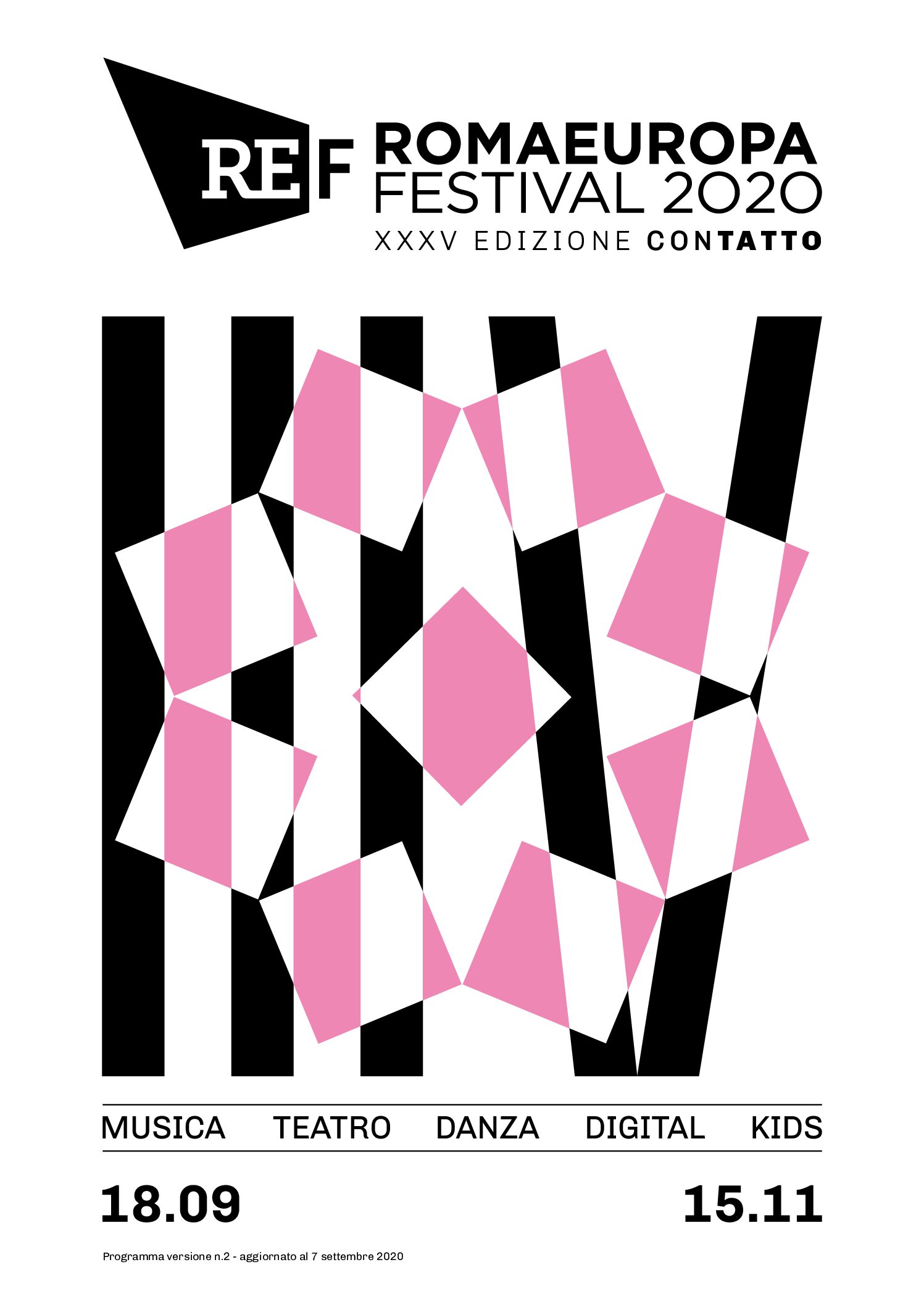
8 September – 15 November | Romaeuropa Festival
This year, the jam-packed line-up of Romaeuropa Festival is set to delight, inspire and entertain all ages. A dazzling array of music, theatre, dance, digital arts and creation for children will be showcased at different venues throughout the city. The 41st edition of the Romaeuropa Festival is one of the richest ever: the programme includes 100 shows with 240 performances and the participation of around 1000 artists from all over the world.
Dissonanze returns to Rome on September 12–13 with “New Chapter”, opening a bold new era for one of Italy’s most visionary festivals after last year’s 25th anniversary celebrations. Two days of live sets, DJ sets, and performances at the Auditorium Parco della Musica, closing the Roma Summer Fest season with a line-up that blends club culture, experimentation, and avant-garde soundscapes. From house to techno, ambient to performance art, the event features artists like Björk (DJ set), Peggy Gou, Floating Points, and many more, reconfirming Dissonanze as a landmark of contemporary electronic culture.
Line-up:
Day 1 (September 12): Björk (DJ set), Peggy Gou, Derrick Carter, Honey Dijon, Kelly Lee Owens (DJ set), Ron Trent, Tony Humphries, Aline Umber (DJ set), CARISTA, Dante, Duddha, ISAbella, Nubiyan Twist, Paranoid London (live), Ruthven, Sugar Free, Ti Es, Yu Su.
Designed by Renzo Piano, the Cavea, the Auditorium’s stunning open-air amphitheater, is home to the Fondazione Musica per Roma’s summer festival: the Roma Summer Fest. Just a few feet from the stage, audiences can experience outstanding live music under the stars, enhanced by the venue’s exceptional acoustics. One of the most anticipated events of the Roman summer, the festival brings some of the biggest names from the Italian and international music scenes to the capital for a series of unmissable concerts.
Line-up: in September, the Auditorium will host Hermanos Gutiérrez (September 2), Sal Da Vinci (3), Fiorella Mannoia (4-5), Il Tre (6), Levante (7), Tony Boy (8), Judas Priest (9), I Cani (10-11), Marisa Monte (11, Sala Santa Cecilia), Dissonanze festival with Björk and Peggy Gou (12-13)
This September, the Roma Bar Show returns — the event that brings together all the key players of the beverage industry and the vibrant world of Italian mixology. Two days dedicated to spirits, cocktails, tasting experiences, and masterclasses with top international bartenders. From industry professionals to cocktail lovers, Roma Bar Show is the place to discover trends, innovations, and the art of great drinking.
From the 16th through the 20th of September 2026, Villa Medici will once again be transformed into a space dedicated to the celebration of cinema in all its forms. Now in its sixth edition, the festival offers over forty screenings across three screens, including an open-air one set up in front of the villa’s historic façade, presenting pioneering works that challenge, disrupt, transform, or re-enchant our relationship with images. The program is divided into three sections: the international competition, featuring twelve recent films of various genres and lengths; the Focus program, dedicated to out-of-competition works and special meetings with directors; and the Piazzale evenings, with outdoor screenings of premieres and restored classics.
From September 18th to 21st, the sixth edition of Roma Baccalà will take place, a cultural and gastronomic event dedicated to salted cod and stockfish. This year again, Roma Baccalà will be held at Parco Schuster, a large green space adjacent to the majestic Basilica of San Paolo Fuori Le Mura. Visitors will be able to taste over 40 different preparations of salted cod and attend engaging workshops and numerous showcookings. Admission is free.
“Materia Prima” (Raw Material) is the theme of the fourth edition of Rome Future Week, taking place from September 21st to 27th. The theme invites participants to reflect on what makes transformation possible — knowledge, skills, relationships, care, creativity, and the ability to imagine the future. Rather than a single-stage event, the festival unfolds as a widespread program across venues throughout the city and its surroundings, with over 400 events spanning AI, art, startups, and social innovation, making it one of the largest open events dedicated to innovation and the future.
Marvel at Caravaggio’s, Bernini’s and Raphael’s works at Rome’s Galleria Borghese.
When in Rome you should definitely visit the Borghese Gallery, with its impressive collection of art, defined as “the most beautiful collection in the world“.
The museum, housed in Villa Borghese, is open from Tuesday to Sunday from 9am to 7pm. Booking is mandatory.
Built in 1613 by Cardinal Scipione Borghese, the Borghese Gallery houses the private collection of the Cardinal, who had a marvellous collection of precious works of art, both ancient and modern. The Cardinal’s private collection was created starting in 1607, who initiated a systematic acquisition of artworks, making it one of the largest ones at the time.
The first collection was made up of paintings by Caravaggio, Raphael and Titian while the collection of ancient sculptures, another fundamental element capable of giving an aura of ideal universality to the artistic collections, had been constantly enriched. Inside the gallery, you will find a substantial part of the Borghese collection of paintings, sculptures and antiquities.
Paolina Borghese as Venus Victrix, Antonio Canova
Galleria Borghese Highlights
Scipione Borghese was an early patron of Bernini and an avid collector of works by Caravaggio. He was particularly interested in antique sculptures, but was also driven enough to patronise modern artists and was commissioned work by Caravaggio, Bernini, Domenichino and Rubens.
Daphne and Apollo, Bernini
Walking inside the Borghese Gallery is a unique once-in-a-lifetime journey into the world of some of the most universal artists of all time, including Bernini’s most famous masterpieces:
Aeneas, Anchises and Ascanius
Rape of Proserpina
David
Apollo and Daphne
Truth revealed by Time
Self portrait as Young Man
Self portrait at a Mature Age
Bust of Cardinale Scipione Borghese
As you move from one section to the other, marvel at Bernini’s details. A particular artwork to set your eyes on is Ratto di Proserpina, where the hands of the God touching Proserpina’s skin actually seem as if they are sinking into her flesh.
Saint Jerome, CaravaggioRatto di Proserpina, G. L. Bernini, copyright Ministero dei Beni e delle Attività Culturali e del Turismo – Galleria Borghese
The Borghese Gallery also hosts Rome’s largest collection of Caravaggio works, including David with the Head of Goliath, Madonna and Child with Saint Anne (Madonna dei Palafrenieri), Saint Jerome and the Boy with basket of fruit.
Apart from being exceptional for its splendid collection (including masterpieces by Antonio Canova, Titian, Brueghel, Raphael and many others), the Galleria Borghese is perfect in the coherence of its decorative ensemble that implies antique marbles, inlays, mosaics, stuccoes and inserts.
The Borghese Gallery regularly hosts temporary exhibitions that dialogue with its permanent collection, often pairing old masters with contemporary art. Among the most talked-about in recent years were Damien Hirst’s Archaeology Now in 2021, which placed more than 80 of the British artist’s works among the ancient sculptures, and Guido Reni a Roma. Danza e paesaggio, which followed that winter and explored the birth of landscape painting in the early 17th century. Check our guide to the current exhibitions in Rome to see what’s on at the gallery during your visit.
Borghese Gallery tickets, hours and booking
The Borghese Gallery works differently from most Roman museums, and it catches many visitors out. Booking is mandatory for every ticket, including free ones, and entry runs in timed two-hour slots capped at 180 people. There is no walk-up ticket in practice: slots regularly sell out weeks, sometimes months, ahead, especially at weekends and during temporary exhibitions.
Opening hours: Tuesday to Sunday, 9am to 7pm, closed Mondays. Slots start on the hour from 9am to 5pm, with a final shorter slot at 5.45pm.
Tickets: €16 plus a compulsory €2 booking fee, so €18 in total. The late slot costs less. Under 18s enter free but still pay the €2 booking fee.
Free entry: the first Sunday of the month is free, but booking is still required and those tickets are released only ten days in advance and sell out immediately.
Good to know: large bags and backpacks are not allowed, only small bags up to 21 by 15 cm, and a cloakroom is available at the entrance. A limited number of last-minute tickets is sold at the box office about 30 minutes after each slot begins, but they are never guaranteed.
How to get there: Piazzale Scipione Borghese 5, inside Villa Borghese. Metro line A to Barberini or Spagna, then a walk through the park, or bus to Pinciana/Museo Borghese.
Do you need to book the Borghese Gallery in advance?
Yes. Booking is mandatory for all tickets, including free ones, and slots often sell out weeks ahead. There is no reliable way to visit without booking.
How much are Borghese Gallery tickets?
A full ticket costs €16 plus a compulsory €2 booking fee, so €18 in total. Under 18s enter free but still pay the booking fee.
How long does a visit to the Borghese Gallery last?
Visits run in timed slots of two hours. The final slot of the day is shorter, at around an hour and a quarter.
What are the Borghese Gallery opening hours?
Tuesday to Sunday, 9am to 7pm, closed Mondays, with the last entry slot at 5.45pm.
What should you not miss at the Borghese Gallery?
Bernini’s Apollo and Daphne and Rape of Proserpina, Rome’s largest collection of Caravaggio paintings, and Canova’s Paolina Borghese as Venus Victrix.
Is the Borghese Gallery worth visiting?
Yes. It holds what has been called the most beautiful private collection in the world, in a villa inside Villa Borghese park, and the two-hour cap means it never feels crowded.
Can you visit the Borghese Gallery for free?
The first Sunday of the month is free, but booking is compulsory, the €2 fee still applies and tickets are released only ten days before.
Guide to Rome’s underground sites: Rome’s Catacombs and church crypts
Beneath Rome’s streets lies a second city: catacombs, crypts, Roman houses and imperial palaces buried under centuries of building. A dozen of these underground sites are open to visitors, from the hypogeum of the Colosseum to the three layers of San Clemente, Nero’s Domus Aurea and the Roman houses under Santa Cecilia, with tickets ranging from a small donation to €26. Here are the best underground sites in Rome and how to visit them.
Love exploring Rome below the surface? Get the full Rome Google Maps Guide: every neighbourhood, landmark and local gem in one map on your phone.
Basilica of San Clemente
Via Labicana, 95 Mon-Sat, 9am-12.30pm; 2pm-6pm; Sun 12pm-6pm Entry fee: €10, reduced €5
Often overlooked by the nearby Colosseum, the Basilica of San Clemente is a hidden gem that is definitely worth a visit. This three-tiered complex consists of an 11th century Basilica that was built on top of the pre-existing 4th century ”domus ecclesiae” (a secretive meeting room for early Christian worshippers) of martyr San Clemente. Go deeper under the Church and you’ll find a vault from the 3rd century AD.
This Mithraic sanctuary consists of stone benches, surrounding an altar that was used during Mithraic rituals, a mystery cult of Persian origin.
Colosseum entrance from “Sperone Valadier” Open daily Entry fee: €24 (Full Experience Undergrounds and Arena ticket. Valid for 2 days from the first use, it allows one entrance to the Colosseum with access to the Undergrounds and Arena, one entrance to the Palatine Forum and SUPER Sites.)
Underneath the world’s largest amphitheatre lie the tunnels and chambers which hosted the mechanisms that made the spectacular battles of the Colosseum possible. The recently discovered hypogeum, from the Greek word for “underground”, is a labyrinth of rings that emulate the oval shape of the arena. Behind the scenes, a vertical winch called a capstan was pushed by slaves to elevate lions, crocodiles and bears into the arena. Walk in the footsteps of gladiators, with a tour group that explores the underworld of the Colosseum.
Via della Domus Aurea, 1 (Colle Oppio, near the Colosseum) Open Friday to Sunday, visits every 15 minutes from 9am to 4.30pm (last admission 3.30pm) Entry fee: €26 with guided tour and VR experience, €18 without
Nero’s Golden House is the most spectacular underground site in Rome. Built after the fire of 64 AD, this vast imperial palace once covered around 80 hectares of the city centre before Trajan buried it under his baths, which is why it survives today as a series of underground halls. Visits run only with a guided tour, and the standard ticket includes a virtual reality headset that reconstructs the palace as it looked in the 1st century, frescoed vaults, marble and all. Groups are small and slots limited, so book well in advance, especially between spring and autumn. Bring a layer: it stays cold underground all year.
Domitian Stadium – Piazza Navona Underground
Via di Tor Sanguigna, 3 Open Saturday, 10am-7pm Entry fee: €7-9
The ruins of the Domitian Stadium (declared Unesco World Heritage Site and subjected to the indirect protection of the Ministerial Decree of April 7th 1954) are located under Piazza Navona at about 5 meters below the street level. The archaeological area is all that remains of the only masonry athletics stadium known in Roman history.
Catacombs of San Callisto
Via Appia Antica, 110/126 Open 9am-12pm, 2-5pm / Closed on Wednesday Entry fee €7-10
The most famous of Rome’s catacombs stretches almost 20 km along the Appian Way and holds the crypt of 16 popes, once known as “the little Vatican”. Saint Cecilia was buried here for five centuries before her relics were moved to her basilica in Trastevere. See our full guide to the catacombs of Rome for the other sites along the Appian Way.
Via delle Sette Chiese, 282 Open Mon, Wed-Sun 9am-12pm, 2pm-5pm Entry fee: 7€-10€
The oldest burial network in the city and the only one that still holds ancient bones. Three levels of galleries reach 30 metres underground for a total length of 17 km, entered through a 4th-century sunken basilica that leads to a 2nd-century fresco of the Last Supper. More in our complete guide to Rome’s catacombs.
Palazzo Valentini’s Domus Romane
Via Foro Traiano, 85 Daily, guided tours at fixed time slots (booking required) Entry fee: €16, €9 reduced
Recent excavations under Palazzo Valentini led to the discovery of the original ancient Roman palace, 7 meters below street level. Enjoy a different underground experience, with a three-dimensional experience of the palazzo: this tour features digital projections of what Palazzo Valentini looked like at its peak.
Piazza di Santa Cecilia, 22 Open Monday to Saturday, roughly 10am to 1pm and 4 to 6pm Excavations and crypt: €2.50
Beneath the basilica of Santa Cecilia, in the heart of Trastevere, lies one of Rome’s most atmospheric and least crowded underground sites. The church was built over what tradition holds was the home of Saint Cecilia, the patron saint of music, martyred in the 3rd century. Descending from the left aisle, past the gift shop, you reach the excavations: the remains of Roman houses with black-and-white mosaic floors, a lararium (a household shrine), and the ruins of an ancient bath complex. According to legend, this bathhouse was the calidarium where Cecilia survived an attempt to suffocate her with steam. At the far end sits the crypt, richly decorated in Cosmatesque style, holding the relics of the saint. Above ground, don’t miss Stefano Maderno’s moving 1600 statue of Cecilia beneath the altar, and, on weekdays, Pietro Cavallini’s 13th-century Last Judgement fresco (a separate €2.50). A perfect stop to pair with a walk through Trastevere.
Hadrian’s Crypt at Santa Maria in Cosmedin (Mouth of Truth)
Piazza Bocca della Verità, 18 Opening times for the Crypt, Mon-Sat, 10am-2pm, 3pm-5.30pm; Sun 12pm – 5.30pm Opening times for the church, Daily, 9.30am-5.50pm
Escape the long line of visitors queuing up to put their hand in The Mouth of Truth by exploring Pope Hadrian’s Crypt. The basilica shaped crypt is located underneath Santa Maria in Cosmedin Church, in Piazza Bocca della Verita. It was constructed in the 8th century to store the relics taken from the catacombs by Pope Adrian I. This small underground site is definitely worth a visit. There is no entry fee but a donation is suggested.
The Crypt of the Capuchin Friars
Via Vittorio Veneto, 27 Open daily, 9.30am-1.30pm; 2.30pm-6.30pm (last entry 12.30pm and 5.30pm) Entry fee: €10, reduced €7.50
“What you are we were; what we are you will be” is the spooky reminder of the inevitability of life that greets visitors upon entering the Crypt. By far the eeriest site in Rome, this Crypt is made up of the bones of 4,000 Capuchin monks. After visiting the convent and museum, walk towards the dimly lit hallway, where a multitude of messages are conveyed. This spooky corner of the city is the ultimate underground experience.
Via Salaria, 430 Tue – Sun 9am-1pm, 2pm-5pm Entry fee: €7-10
Known as the “regina catacumbarum”, the queen of the catacombs, this site run by an order of nuns holds the oldest known image of the Virgin Mary. A viewing point lets you look down through three levels of graves dug deeper and deeper into the earth. Reservation required.
Beneath the modern city lie layers of ancient Rome: catacombs, crypts, Roman houses, temples and imperial palaces buried as the city rebuilt itself over the centuries.
Which underground sites can you visit in Rome?
Around a dozen are open to the public, including the Colosseum hypogeum, the three levels of San Clemente, the Domus Aurea, Palazzo Valentini, the Capuchin Crypt and the catacombs along the Appian Way.
Do you need to book underground sites in Rome?
Yes for most of them. The Domus Aurea, Palazzo Valentini and the Colosseum underground have limited timed slots and sell out well in advance, while smaller crypts can usually be visited without booking.
How much do underground sites in Rome cost?
Prices range from a suggested donation at Hadrian’s Crypt and €2.50 at Santa Cecilia to €26 for the Domus Aurea with virtual reality and €24 for the Colosseum full experience.
What is the best underground site in Rome?
San Clemente is the classic choice, with three eras stacked one on top of the other, while the Domus Aurea is the most spectacular and the Capuchin Crypt the most unusual.
Which underground sites in Rome are free?
Hadrian’s Crypt at Santa Maria in Cosmedin asks only for a donation, and several church crypts charge a small fee of a few euros.
Every time you turn a corner in Rome you stumble upon another ancient temple or Renaissance masterpiece, but have you ever wondered what lies beneath your feet? Acres and acres of tombs. Rome is home to a vast underground maze of catacombs carved out of the soft volcanic tufa that surrounds the city: more than 60 burial sites in total, of which only a handful are open to visitors, with an accompanied visit included in the ticket.
The best known, San Callisto, San Sebastiano, Domitilla and Priscilla, lie along the ancient Appian Way and just outside the historic centre, and tickets cost around 8 to 10 euros.
There’s a myth that during their persecution Christians used the catacombs as a secret place to bury their dead, but in reality their location was well known. Poor Christians simply couldn’t afford a private grave, so they arranged to have their bodies carried down into these tunnels, laid out in a sarcophagus or in a shelf carved into the wall and sealed over to await the Last Judgment, or the inquisitive eyes of archaeologists.
Begun in the 2nd century AD, these burial sites were extended deeper into the earth as they filled up, one layer at a time. By the 6th century more familiar church cemeteries had taken their place, and the entrances to the catacombs were often blocked up to prevent looting.
Along the Appian Way (Via Appia Antica, 110/126) 9am-12pm, 2-5pm / Closed on Wednesday Entry fee 7-10 €
Possibly Rome’s most famous catacomb, this site extends almost 20 km and was the burial place of more than 10 martyrs and 16 popes. As the official catacombs of the Roman Church, the crypt of the popes was known as “the little Vatican” and you can still see the Greek markings “MPT” on two of them for “martyr.” You can also see burial place of Saint Cecilia, the patron saint of music, buried here for five centuries until her remains were transferred to a church in Trastevere.
Along the Appian Way (Via Appia Antica, 136). 10am-5pm / Monday to Sunday Entry fee €7-10
This cemetery, named after the martyr St. Sebastian, who is buried here, was originally called “ad catacumbas”. According to the widely acknowledged explanation, the name signifies “near the hollows”, because of the mines of tuff located in this area. The name was later used generally to indicate all subterranean Christian cemeteries. The tour of this catacomb, which has second-century pagan tombs along with Christian chapels, will take you down a staircase studded with pieces of sarcophagi with imperial seals. Underneath the church, you’ll see an area with three decorated pagan tombs with some very attractive frescoes and a floor mosaic. It is believed that both Christian and pagan funerals were held in the elaborate central chapel, the vault of which has acanthus and lotus-leaf stucco decorations. The Chapel of Symbols has early Christian symbols carved in it. Up another staircase is a dining room for funeral banquets. The graffiti date back to the second century.
Via delle Sette Chiese, 282 9.30am-1.30pm; 2.30pm-6.30pm (last entry 12.30pm and 5.30pm) Entry fee 7,5-10 €
Rome’s oldest catacombs are the only ones that contain an ethereal sunken basilica through which you can enter the labyrinth below. Built in the 4th century, the basilica was abandoned in the 9th and not until 1870 was it reconstructed. You can visit the tombs of the martyrs Nereus and Achillius and gaze upon the most extensive inventory of catacomb paintings which includes an image of the Last Supper. They are also the only catacombs that still contain bones.
Via Salaria, 430 9am-12pm, 2pm-5pm / Closed on Monday Entry fee 7-10€
Run by an order of nuns, these catacombs were named after the woman who owned the land in which they were built and were known as the “regina catacumbarum” or the queen of the catacombs. They are famous for housing the oldest image of the Virgin Mary in existence. There’s also a chilling view point where you can look down and see the three levels of grave sites dug farther and farther into the earth to accommodate the dead.
Yes. The catacombs are one of the most fascinating historical sites in Rome. These underground burial networks date back to the 2nd–5th centuries and offer a unique glimpse into early Christian history. Visiting the catacombs allows you to explore ancient tunnels, frescoes, and burial chambers hidden beneath the city.
Which catacombs in Rome are the best to visit?
The most famous catacombs open to visitors include the Catacombs of San Callisto, the Catacombs of San Sebastiano, the Catacombs of Domitilla, and the Catacombs of Priscilla. Each site offers guided tours that explain the history and significance of these underground cemeteries.
Do you need a tour to visit the catacombs in Rome?
No, a private tour is not strictly necessary to visit the catacombs in Rome. Most catacombs can be accessed through guided tours organized directly at the site, which are included in the entrance ticket and usually last about 30–40 minutes. However, joining a dedicated tour is highly recommended, especially if you want to better understand the historical context of the catacombs and explore the surrounding area along the ancient Appian Way. For a more comfortable and immersive experience, a great option is the Appian Way Golf Cart Tour, which combines a visit to the Appian Way with stops at some of the most important landmarks in the area, including the catacombs. Traveling by golf cart allows you to cover more ground while learning about one of the oldest roads in Rome and the fascinating underground burial sites along it. You can check the tour here: https://www.romeing.it/shop/product/appian-way-golf-cart-tour/
How much do catacomb tickets cost?
Ticket prices typically range from about €8 to €10 for adults, depending on the catacomb. Reduced tickets are often available for children and students. It is recommended to check the official website of each catacomb for updated prices and opening hours.
Where are the catacombs located in Rome?
Most of Rome’s catacombs are located along the ancient Appian Way (Via Appia Antica), just outside the historic city center. They can be reached by bus, taxi, or guided tours departing from central Rome.
Programme and highlights of Romaeuropa Festival 2026
The 41st edition of the Romaeuropa Festival is shaping up to be one of its richest yet: 100 shows featuring 1,000 artists from around the world, bringing REF2026 to life with a programme of music, theatre, dance, digital arts and productions for children.
Once again directed by Fabrizio Grifasi, this year’s edition offers more than two months of performances across numerous venues in the capital, an invitation to listen and to see artistic creation as something still alive and necessary.
This edition brings a wealth of major international names. Flemish choreographer Michiel Vandevelde, together with the BRYGGEN-Bruges Strings ensemble, takes to the stage at Teatro Argentina with The Four Seasons Changed, a staged concert that translates into space Max Richter’s reworking of Vivaldi’s Four Seasons. Sasha Waltz returns to dance with Bach Cello Suites Dance, set to the Cello Suites by J.S. Bach performed by cellist Anastasia Kobekina.
There’s also French choreographer Boris Charmatz, back at the Festival with Muette, an intimate and radical solo, and Britain’s Ben Duke, who reinvents Hamlet as a contemporary anti-hero in a show that weaves together dance, theatre, stand-up and irony to question the meaning of life. Franco-Algerian Nacera Belaza returns too, forming an intense duo with Valérie Dréville in a performance where gesture meets space.
At Teatro Costanzi, Opera Ballet Vlaanderen presents a programme of works by Jan Martens, Anne Teresa De Keersmaeker and Christos Papadopoulos, three names who have appeared at the Festival many times. Papadopoulos himself directs Greek dancer Georgios Kotsifakis in Landless, continuing his personal exploration of rhythm, repetition and the transformation of movement. Also from Greece, choreographer Katerina Andreou joins Carte Blanche, Norway’s national dance company, bringing fourteen performers together in How Romantic.
Some of the dance programme is designed to reach every generation and audience: Le Pas du Monde by the remarkable Collectif XY, at Teatro Olimpico, speaks to all ages with its shifting landscapes, while Morocco’s Groupe Acrobatique de Tanger returns under the direction of Raphaëlle Boitel with a new creation in which acrobatic power meets a formal, poetic language. From South Korea, Eun-Me Ahn blends ritual, new circus, pop culture, eccentricity and colour in her Post-Orientalist Express.
Jaha Koo, Haribo kimchi PH. bea borgers
Also from South Korea, director Jaha Koo, winner of the International Ibsen Award, presents Haribo Kimchi: a real street-food stall fills the stage, turning the making of the traditional Korean fermented cabbage into an autobiographical and symbolic gesture.
Memory takes centre stage for India’s Pankaj Tiwari and Portuguese director Tiago Rodrigues too. The first, with The Harvest of Broken Promises, tells of the transformation of Indian agriculture under the influence of global agribusiness; the second fills the stage with the memory of his father in No Yogurt for the Dead, a tribute built around the unfinished notes he left behind.
ITALIAN DANCE AND THEATRE
GiorginaPi, Lemnos
One of the directors who has most deeply shaped the Festival’s history returns to Romaeuropa: Romeo Castellucci, with his new creation Faust. Fatto, non detto, a radical theatrical experience that probes the figure of the artist, suspended between condemnation and redemption, reality and vision.
At Teatro Vascello, Marta Cuscunà makes her national premiere with her latest production, La Medium, the true story of Hersilie Rouy, daughter of the illusionist Charles Rouy, confined to an asylum for fourteen years, in a world that weaves together illusionism and gives voice to “invisible women”. Director Giorgina Pi reworks the figure of Philoctetes from a female perspective in Lemnos, intertwining myth and the present.
Marta Cuscunà @Alessandro Ruzzier
Also at Teatro Vascello, Pietro Giannini presents his new work STARMAN – The True Story of Leon Skum, a concrete yet visionary portrait that questions the myth of technology in the age of Elon Musk. Giacomo Bisordi, with Fabrizio Sinisi, brings the novel Il Prodigio to the stage with actors Chiara Ferrara, Gabriele Portoghese and Federica Rosellini, while Ubu Prize winner Marco D’Agostin, alongside dancer Marta Ciappina, gathers in Catalogo a moving mosaic of farewells, in which a dancer’s final performance becomes a choral score on leave-taking, shaped through the eyes of choreographers and directors such as Silvia Gribaudi, Francesca Pennini / CollettivO CineticO, Sotterraneo and Emio Greco / Pieter C. Scholten.
At the Mattatoio, the cycle HEIMAT – Homeland/Foreigner unfolds, created with the “Silvio d’Amico” National Academy of Dramatic Art: five days of performance in which Fabiana Iacozzilli, Thom Luz, Ersan Mondtag, Leonardo Lidi and Leonardo Manzan direct the same performers from the Academy’s second-level acting course, using a shared stage device to build a plural reflection on identity and belonging.
Still in Testaccio, the female body and its representation are at the heart of CAN CAN, a show born from the meeting of director Giovanni Ortoleva, winner of the National Critics’ Prize, and actress Irene Mantova. Director Piero Maccarinelli presents a reading of L’ora dei predatori by Giuliano da Empoli with Elisabetta Pozzi and Tullio Solenghi, followed by a talk on the book’s themes.
MUSIC
Vinicio Capossela, Renato tuffo
Music has a major place in the Festival’s programme, moving between experimentation, pop and contemporary composition: Osmium, the project born from the meeting of cellist Hildur Guðnadóttir and James Ginzburg; a concert by Kangding Ray, presenting his new AV live show Superfluid; and the award-winning percussion ensemble Third Coast Percussion in dialogue with composer, performer and electronic musician Jlin.
For the first time at the Festival, Vinicio Capossela appears too, presenting with Pierpaolo Capovilla And Death Shall Have No Dominion, a ballad opera loosely drawn from the life of Renato Striglia and the work of Dylan Thomas.
There are several tributes marking the anniversaries of the great 20th-century masters: for Steve Reich’s ninetieth birthday, a homage from Blow Up Percussion with performances of works such as Pendulum Music, Drumming and Come Out; while for the centenary of Hans Werner Henze’s birth, Romaeuropa presents Voices, in partnership with the Accademia Nazionale di Santa Cecilia, a powerful civic and poetic work entrusted to the New European Ensemble conducted by Carlo Boccadoro.
In the Sala Santa Cecilia of the Auditorium, pianists Maki Namekawa and Thomas Enhco go head to head interpreting one of the most celebrated piano works of the 20th century, Keith Jarrett’s The Köln Concert, while The Avex Ensemble performs a special film-concert dedicated to the iconic Blade Runner soundtrack by Vangelis.
KIDS
The REF Kids & Family section offers three weekends of free shows and activities in music, theatre and new circus, curated by Stefania Lo Giudice. The spaces of La Pelanda are transformed into an area for children and families, with a programme of performances and a playground of games and hands-on activities.
Highlights range from Flanders’ ZONZO, bringing jazz to the youngest audiences, to a focus on the Catalan scene with the magic show Maginarium by Pau Segalés and Copiar by Animal Religion, which invites children from the audience on stage. From the Netherlands, de Dansers offer a joyful journey through the body with A Small Anatomy, while Japan’s Kenji Shinohe brings manga culture to a teenage audience with Action Briquette Z – Manga, Beat & Dance.
Closing
100Cellos, Enrico Melozzi
The grand finale on 15 November promises to be a true musical marathon, a great collective ritual of listening in which musicians take over the main hall of the Auditorium Parco della Musica in a closing event that moves across repertoires, audiences and moods. Twelve hours of concerts, with an afternoon that anticipates the celebrations for Philip Glass’s ninetieth birthday (January 2027) through a complete performance of the Études by Vanessa Wagner and of Águas da Amazônia by Third Coast Percussion, with the start and end of the day in the Sala Santa Cecilia devoted entirely to Enrico Melozzi’s Classical Rave Party.
The morning is dedicated to 100 Cellos with Giovanni Sollima; the evening to the Orchestra Notturna Clandestina, with special guests including Alessandro Baricco, Gloria Campaner, Elsa Lila, Anastasio and Fasma, breaking down the boundaries between academia and real life, between concert and celebration.
Venues and Tickets
The Romaeuropa Festival 2026 takes place across various spaces in the city, from historic theatres to museums and cultural institutions. The 2026 venues are:
American Academy in Rome, Via Angelo Masina 5
Auditorium Conciliazione, Via della Conciliazione 4
Auditorium Parco della Musica, Via Pietro de Coubertin 30
Tickets can be purchased online at romaeuropa.net through Vivaticket. For information and assistance, the box office is available on +39 06 4555 3050, also on WhatsApp, Monday to Friday (10am-1pm / 2pm-6pm).
The traditional celebration of the Marian miracle returns on 5 August
On August 5 Rome hosts a captivating event that defies the summer heat both symbolically and practically – the celebration of the Madonna della Neve (Our Lady of the Snows). This cherished occasion involves the recreation of an extraordinary miraculous snowfall outside the magnificent Basilica Santa Maria Maggiore.
The Legend of La Madonna della Neve
According to ancient legend, in the 4th century, a devout Roman couple sought divine guidance on donating their possessions to the Church. In response to their fervent prayers, the Virgin Mary appeared to them in a vision on the night between August 4th and 5th, 358 AD. She revealed that a miraculous event would occur, guiding them to the precise location for the construction of a new church.
That very night, an astonishing snowfall covered a hill in the Esquiline district. Word of this celestial event reached Pope Liberius, who went to the snowy site and traced the outline of the planned church. With the generous contribution of the devoted couple, the church was built, solidifying the legend of the miraculous snowfall.
Though historical evidence supporting the legend is scarce, the event is celebrated annually with unwavering devotion. As the snow gently descends from the sky, Rome relives this extraordinary story, continuing a tradition that has captivated hearts for centuries.
An Enchanting Spectacle Awaits You in Piazza Santa Maria Maggiore
The eagerly awaited 2026 edition of this magical spectacle, supported by the City, the Vatican, and the Ministry of Culture, will take place on Wednesday, August 5th in Piazza di S. Maria Maggiore. This year’s celebration is dedicated to Pope Leo XIV, to the memory of Pope Francis and to the hope for peace in the world.
During the day, the “Miracle of the Snow” is re-enacted inside the basilica with a cascade of white petals falling from above, a symbolic snowfall marking the ancient legend.
The first re-enactment takes place in the morning, during the singing of the Gloria at the 10:00 AM Solemn Mass, presided over by Cardinal Rolandas Makrickas, Archpriest of the Basilica.
The second is held at 5:00 PM, during the singing of the Magnificat at Vespers, presided over by Archbishop Luis Manuel Alí Herrera.
In the evening, the square comes alive with the spectacular artificial snowfall, accompanied by lights, music and the Carabinieri band. Now in its 42nd edition, the show runs from 9:00 PM to midnight and draws thousands of Romans and visitors every year.
After its presentation at the Rijksmuseum in Amsterdam, the Galleria Borghese in Rome presents METAMORPHOSIS. Ovid and the Arts, on view until 20 September. Curated by Francesca Cappelletti and Frits Scholten, the exhibition is held in collaboration with the Dutch museum.
The imaginative power of Ovid’s Metamorphoses comes to life through more than 80 masterpieces on loan from major international institutions. Works by Correggio, Michelangelo, Titian, Rubens, Poussin, Gérôme, Rodin and Brancusi engage with the vision of one of antiquity’s greatest poets, in gallery rooms that were themselves inspired by his text.
Starting from Ovid’s Metamorphoses, the exhibition explores change and transformation as a key to reading the cosmos, matter and the human condition, in a vision built on the fluid boundaries between the human, the natural and the divine.
At its heart lies the idea of metamorphosis as a generative principle, one that runs through and redefines the cosmos, matter and the body. Through famous myths and often tragic tales, the Metamorphoses gave artists an inexhaustible repertoire of images and conflicts for centuries, giving visual form to passion, desire, cunning, violence, deception and the possibility of redemption.
Inside the exhibition
Through its many masterpieces, among them Apollo and Daphne and The Rape of Proserpina by Gian Lorenzo Bernini, the exhibition reaffirms the enduring relevance of myth and its central role in shaping the European imagination, highlighting the visual and conceptual force of Ovid’s stories.
It opens with the section Chaos and Creation, where metamorphosis is tied to the passage from formless matter to ordered space, seen through the work of artists such as Louis Finson, Herri met de Bles, Auguste Rodin and Constantin Brâncuși. The same theme, in a different key, returns in the section devoted to the myth of Pygmalion, where it is the artist’s creative power that gives shape to the invisible, as in the works of Jean-Léon Gérôme and Auguste Rodin.
From birth to death: the theme of the underworld and the return from darkness takes shape around the symbolic pivot of Bernini’s Rape of Proserpina, with works such as Orpheus and Eurydice recounting the experience of those who crossed the realm of the dead while still alive.
Still, the central thread remains transformation itself: from woman to spider, as with Arachne, the starting point for a display of paintings, tapestries and textiles; from human being to stone, as in the tale of Perseus and Medusa, seen through works by Rubens, Sebastiano Ricci and Antonio Tempesta.
A final section is given over to the loves of Jupiter, with works dedicated to Leda and the Swan and to Danaë. Here it is the force of love, desire and passion that sets transformation in motion, at times almost spectacular, as in the shower of gold falling into Danaë’s lap, magnificently rendered in the work by Correggio on display.
The result is a symbolic and sensory reading of change, evoking the tension between order and transformation, the fluidity of identity and the dynamic relationship between body and nature. In this dialogue between myth and art, metamorphosis emerges not only as physical transformation but as an aesthetic and philosophical category, one that questions the relationships between time, space, matter and form.
Meet il Marchese, Europe’s first amaro bar & Roman trattoria in Rome’s centro storico
Il Marchese unites the best of two worlds: a bar with elegant French salon accents, pompous chandeliers, and a restaurant with the coziness of a Roman trattoria. But it’s not just the décor that’s impressive. When you walk into Il Marchese you step inside Europe’s first Amaro bar with more than 500 different Amaro labels.
Opened in 2018 in an eighteenth-century palazzo on Via di Ripetta, a few steps from the Ara Pacis and the city’s fashion streets, Il Marchese is the work of Davide Solari and Lorenzo Renzi, friends since their school days.
What began here has since become a name that now extends across Italy. After Rome came Milan in 2022, followed by a summer location in Poltu Quatu on the Costa Smeralda, and a mountain opening in Courmayeur for the 2025-26 winter season. The Rome address, though, remains the original: an intimate Roman house looking onto the street, in the heart of the city yet tucked away like a private drawing room.
During the 2021 G20 in Rome, Il Marchese had two special customers: the American First Lady Jill Biden and the French Première Dame Brigitte Macron. The two ladies said they were “delighted with the lovely welcome”, complimenting the staff and the quality of the products.
Il Marchese takes its name from the Marchese del Grillo, made famous by Alberto Sordi in the classic Italian film: a true gentleman, always inclined to irony, a lover of tradition but equally at ease with those who come from different cultures. That double soul, the aristocrat and the everyman, runs through the whole place.
Cocktail bar & Amaro Bar
The amaro and cocktail bar at Il Marchese pays tribute to the elegance of nineteenth-century French aristocracy, with fine stuccoes, wallpapers and velvets. Leading it is Fabrizio Valeriani, the group’s bar manager, who designs the seasonal drink lists across all the venues.
The mixology here has always centred on amaro. Il Marchese was the first in Europe to open an amaro bar, with around 500 labels from the start, ranging from the most prestigious names to small local producers. The drink list is built around this and changes roughly twice a year.
The heart of it is the Americano section, with six variations, each made with a different amaro and marked on the menu by its level of sweetness or bitterness. The Americano n°1, always on the list, blends Campari, Cinzano 1797 red vermouth, Velluto Braulio Riserva, black tea soda with pear and cinnamon, and chocolate bitters. Alongside it you’ll find the Twist on Classic drinks, where the Cavaliere di Franciacorta has become a signature, a selection of Luxurious cocktails for something more special, and a line of low-ABV options for drinking well with less alcohol, including a Negroni Zero.
A refined Roman trattoria
In the kitchen is Roman chef Daniele Roppo, with Solari and Renzi since the very first opening and now executive chef across all the venues. His cooking has strong Roman roots, drawing on traditional recipes lightened for a contemporary palate, with vegetarian dishes on the menu too.
Quality comes first. Ingredients are sourced from local producers: the guanciale is from Re Norcino in Ascoli Piceno, an award-winning producer, and the pecorino is from Cibaria.
Among the starters, don’t miss the bollito croquette with green sauce, a Roman dish from Roppo’s grandmother. The first courses are a tribute to the “Roman poker” of Carbonara, Amatriciana, Gricia and Cacio e pepe, served in the restaurant’s iconic little pan. Also worth trying is the tortello filled with porcini, finished with butter and Parmesan. Among the mains are the veal fillet cooked as a saltimbocca and the lamb meatball “alla scottadito”, plus lighter options like a Caesar salad or mixed greens with citrus-marinated salmon and guacamole.
Desserts are all homemade, from the great classic of Italian pastry, tiramisù (in both the traditional and pistachio versions), to a plate of three chocolates, salted caramel and popcorn.
So how do you describe Il Marchese? A place with two souls, mixing Roman recipes with a contemporary twist and countless amaro labels, a new way of spending time together in contemporary Rome, seven days a week, from 12pm to 2am. Quality food, quality drinks and quality people, all day long.
Drink Like Italians: Cocktail-Making Class in the heart of Rome
Enjoy your mixology experience in Rome’s historic centre and learn how to prepare the most famous Italian cocktails: Spritz and Negroni. Next to that, our bartender will explain how to pair these drinks with food. Want to learn more? Get your answers in a cool atmosphere at Il Marchese while sipping on your own handmade Negroni and enjoying an italian aperitivo.

 Connexion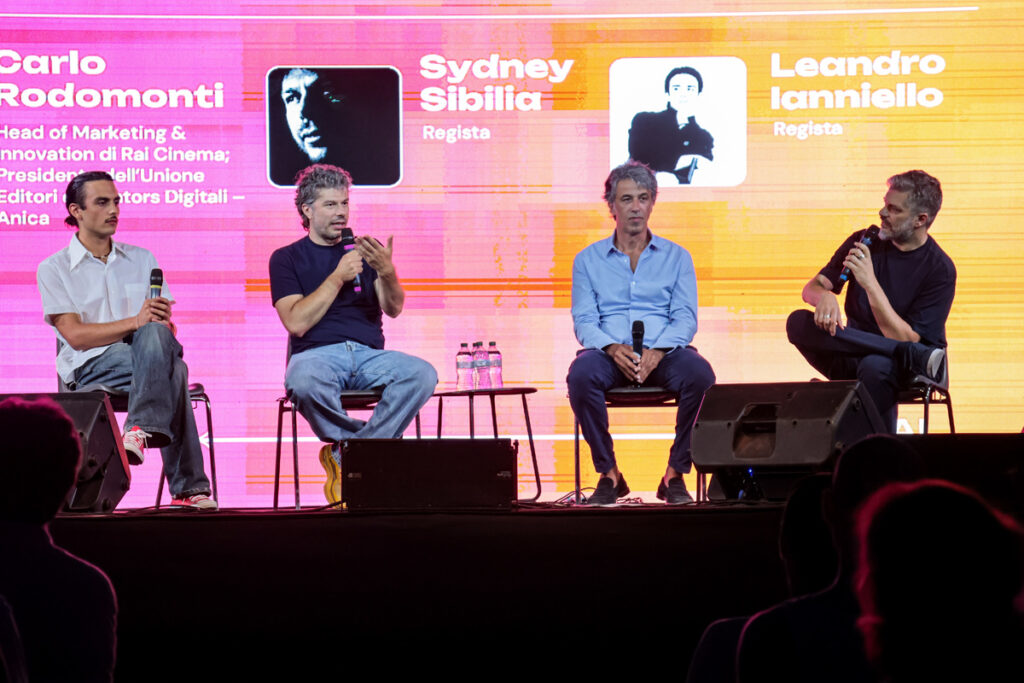
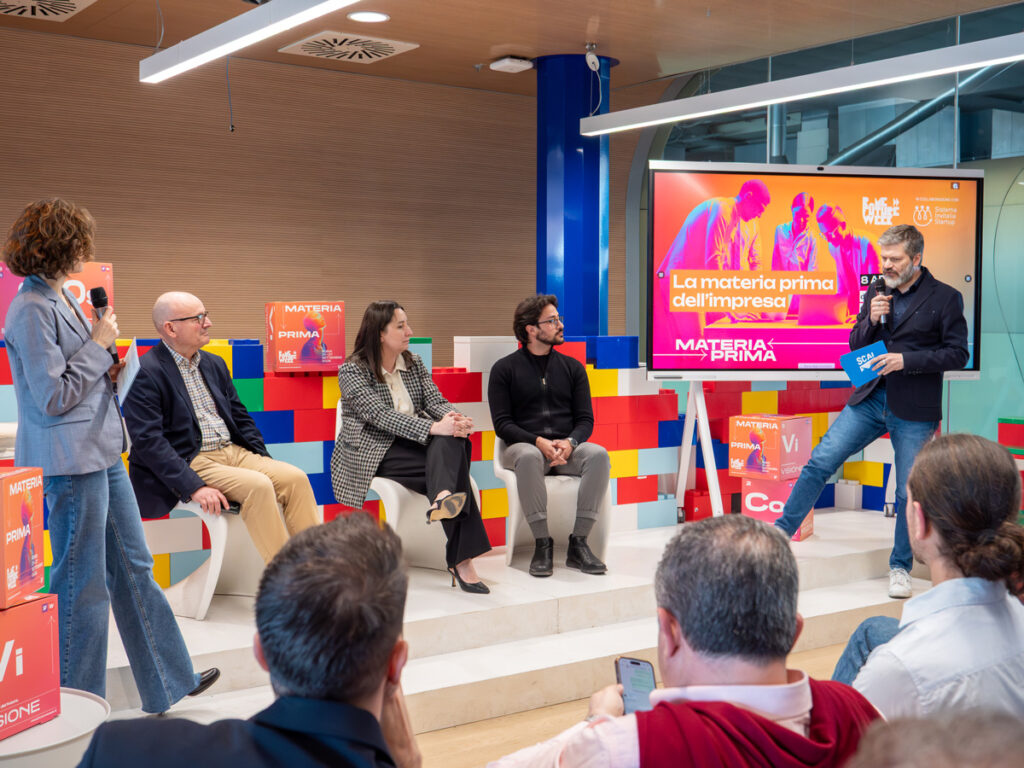

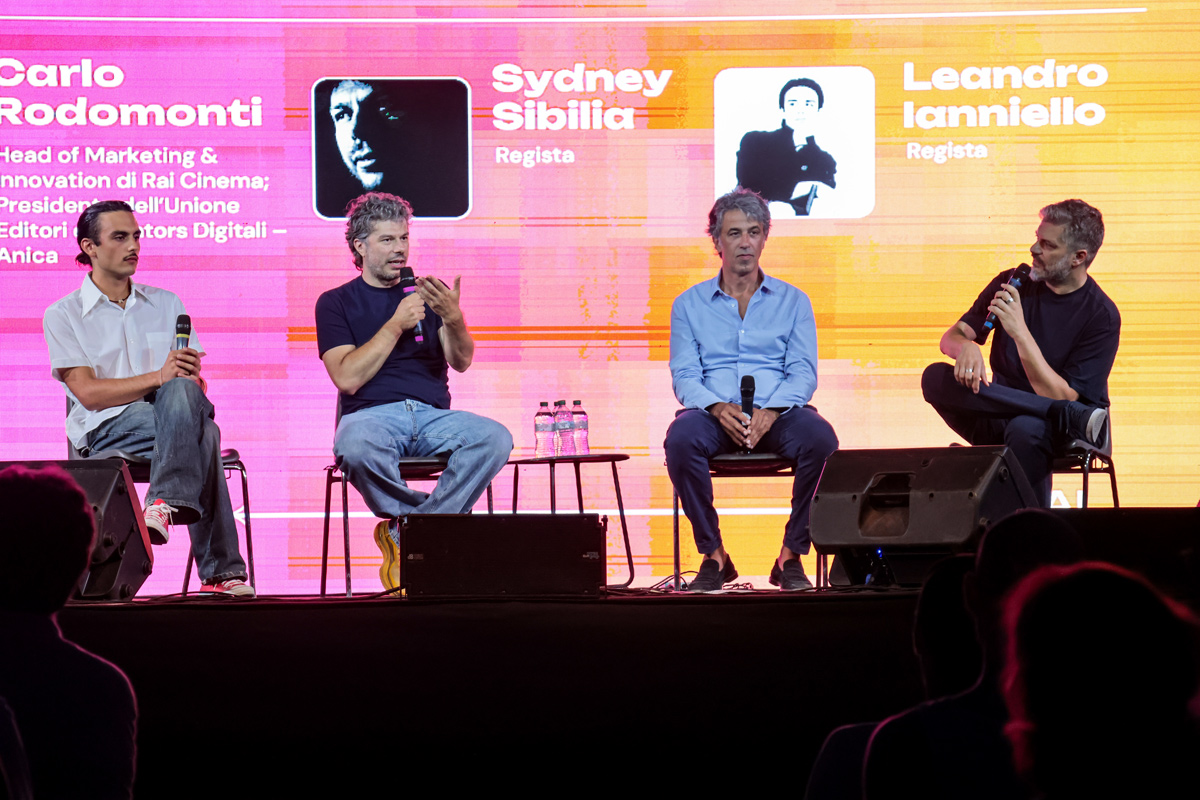

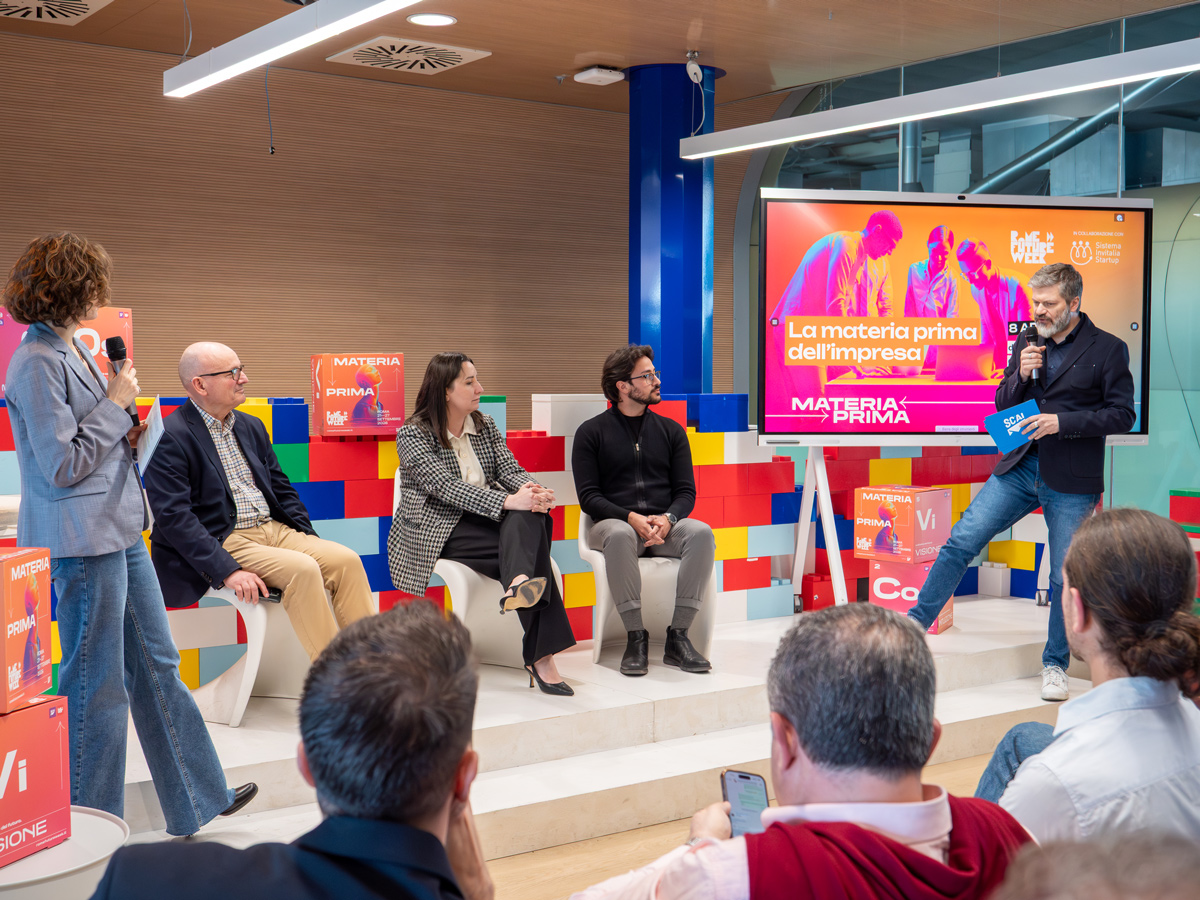
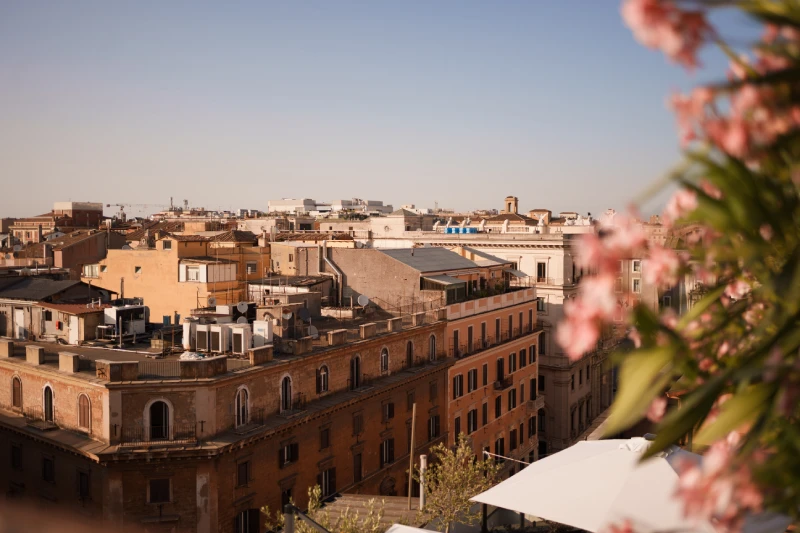
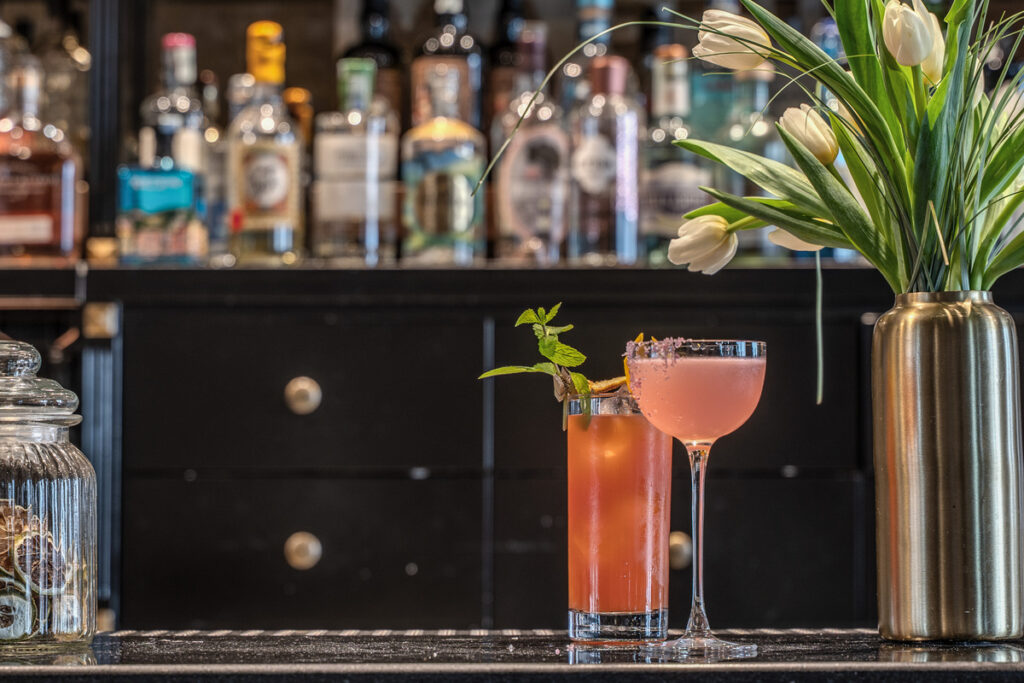
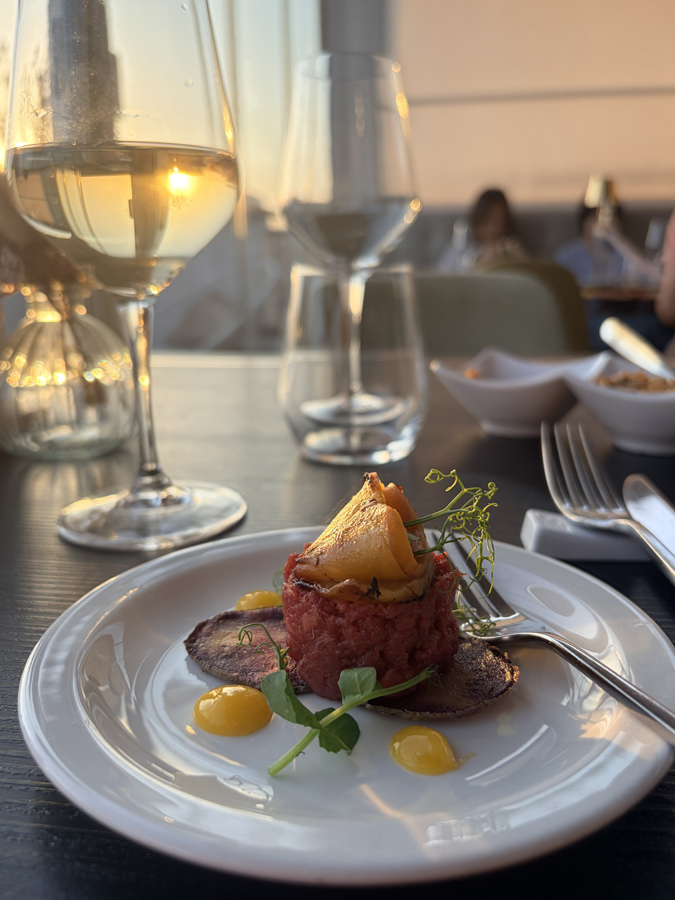
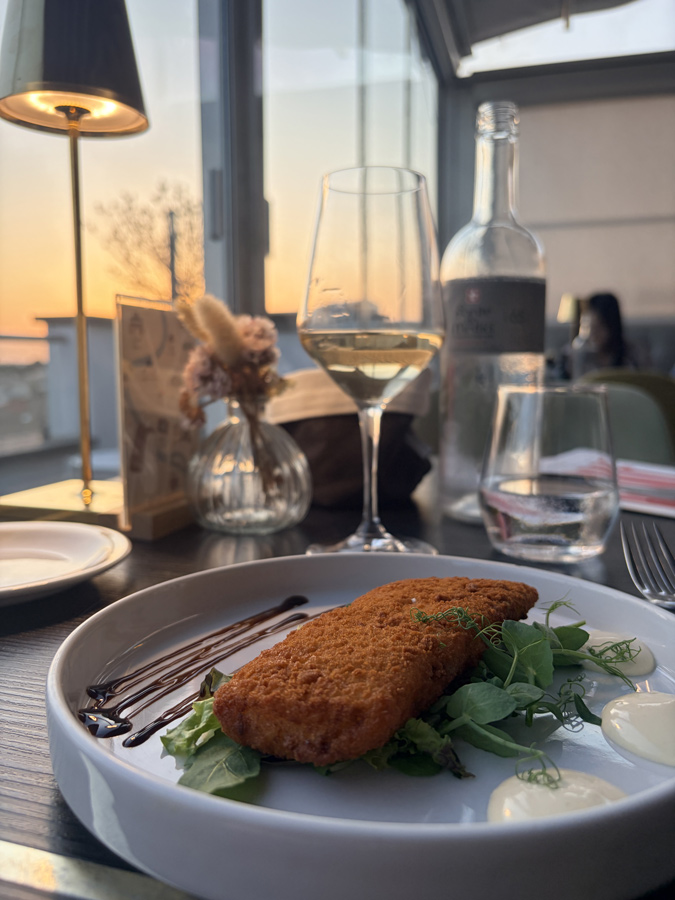
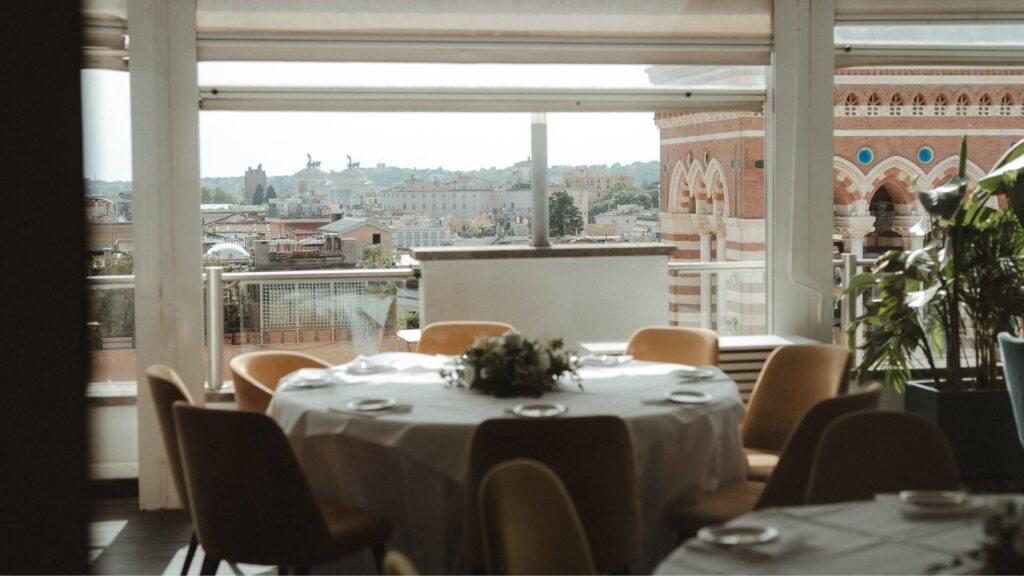

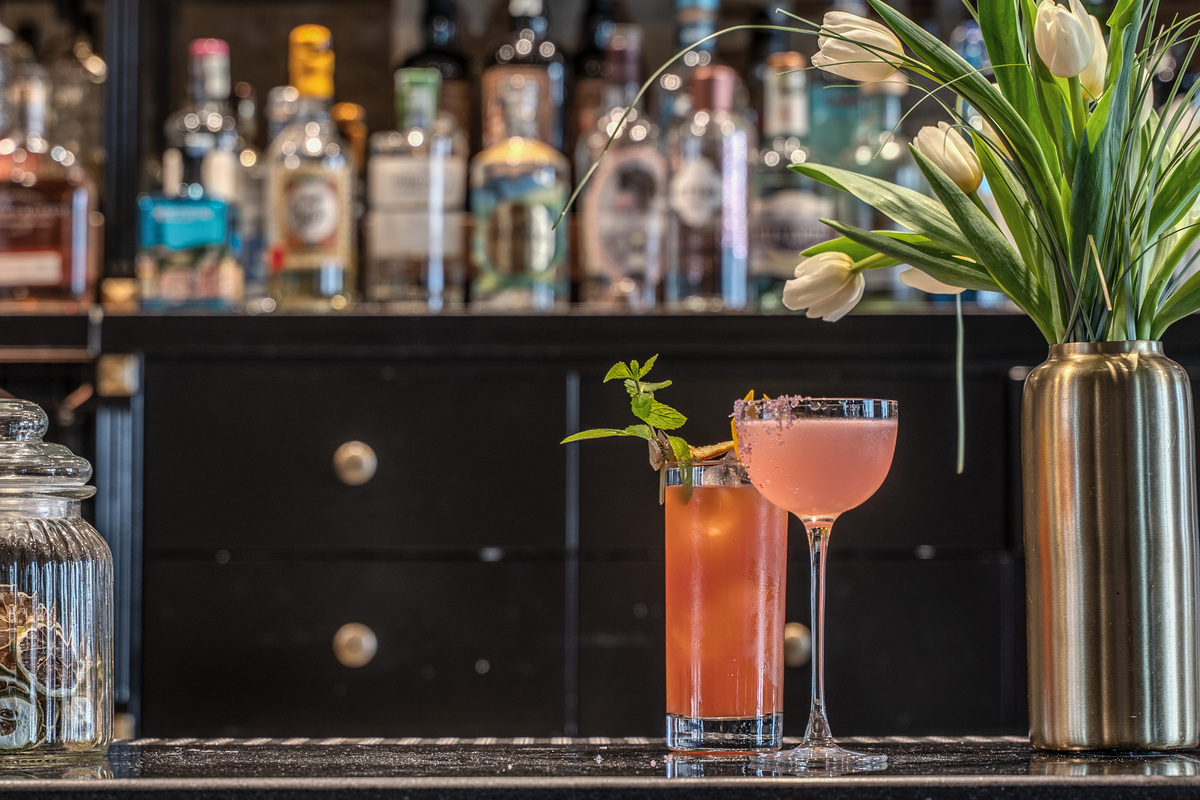
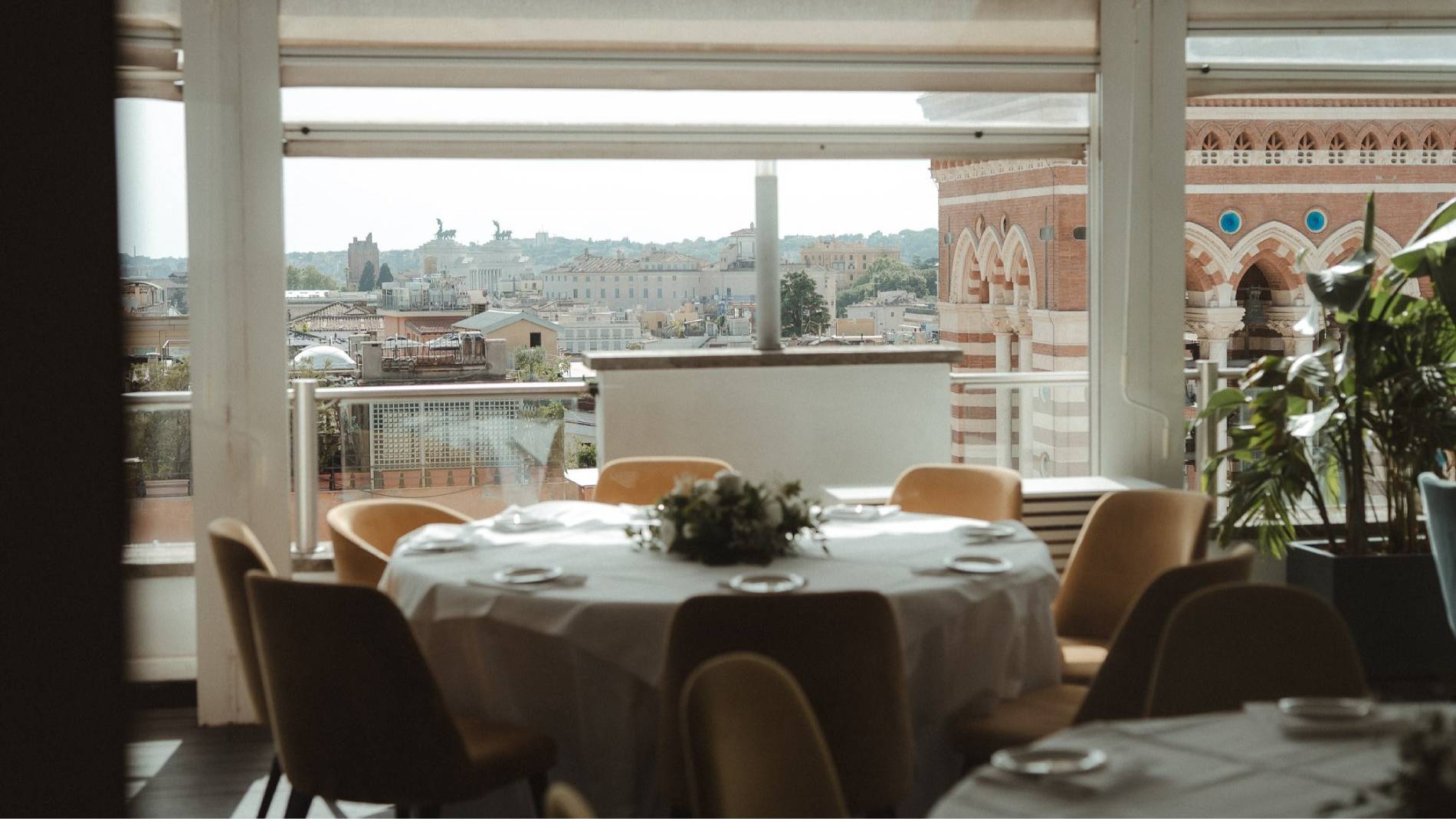
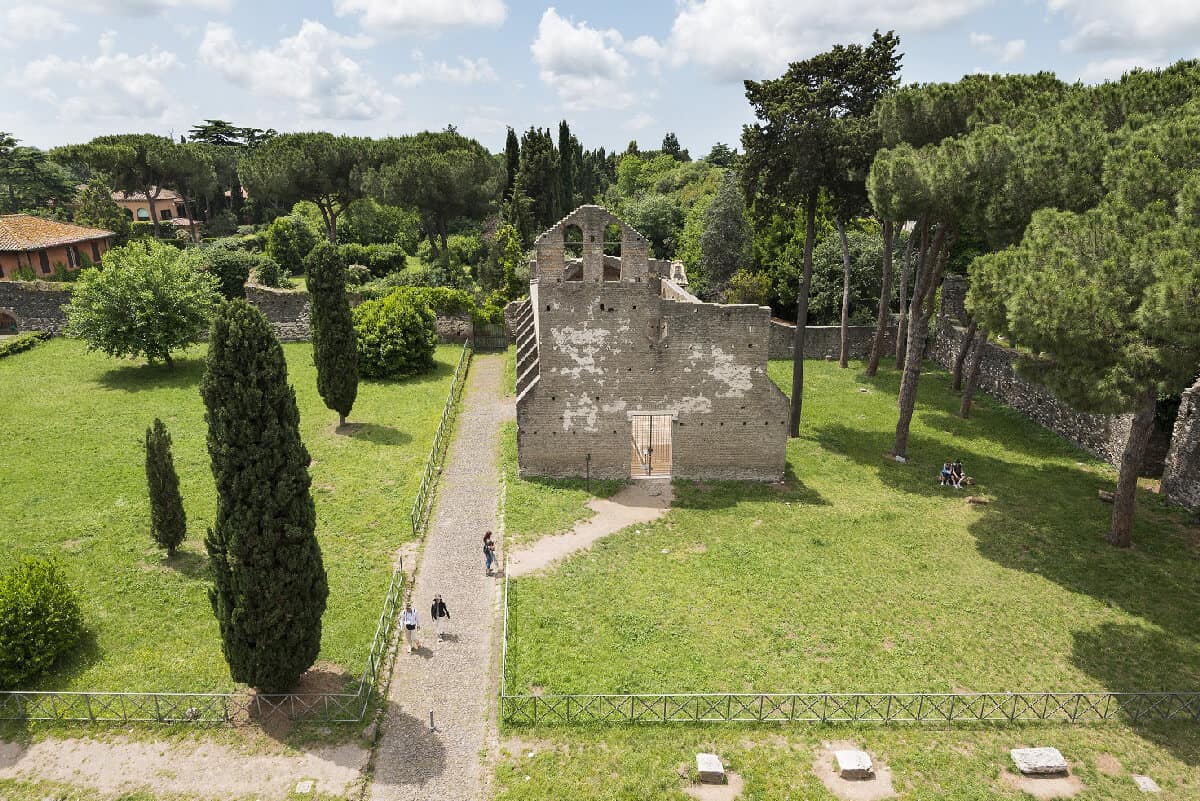
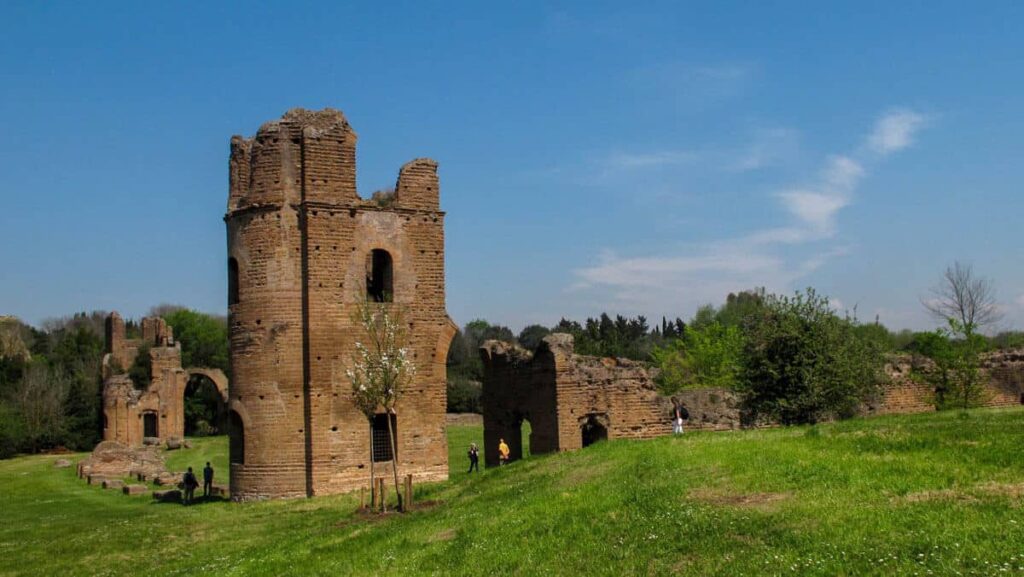

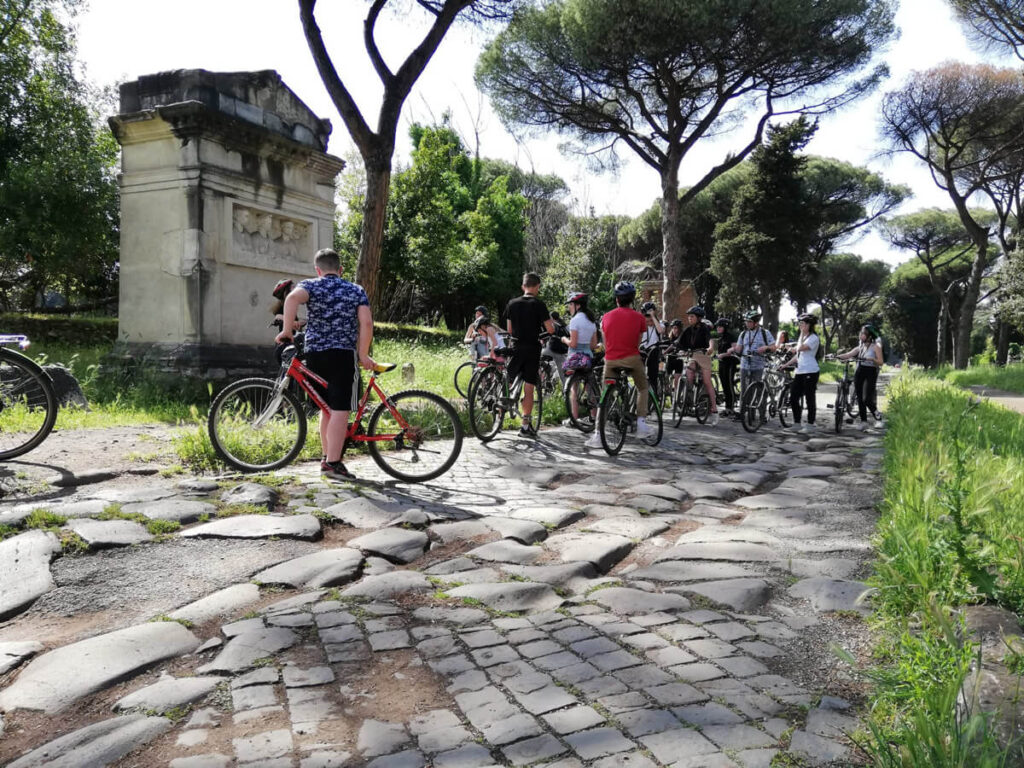
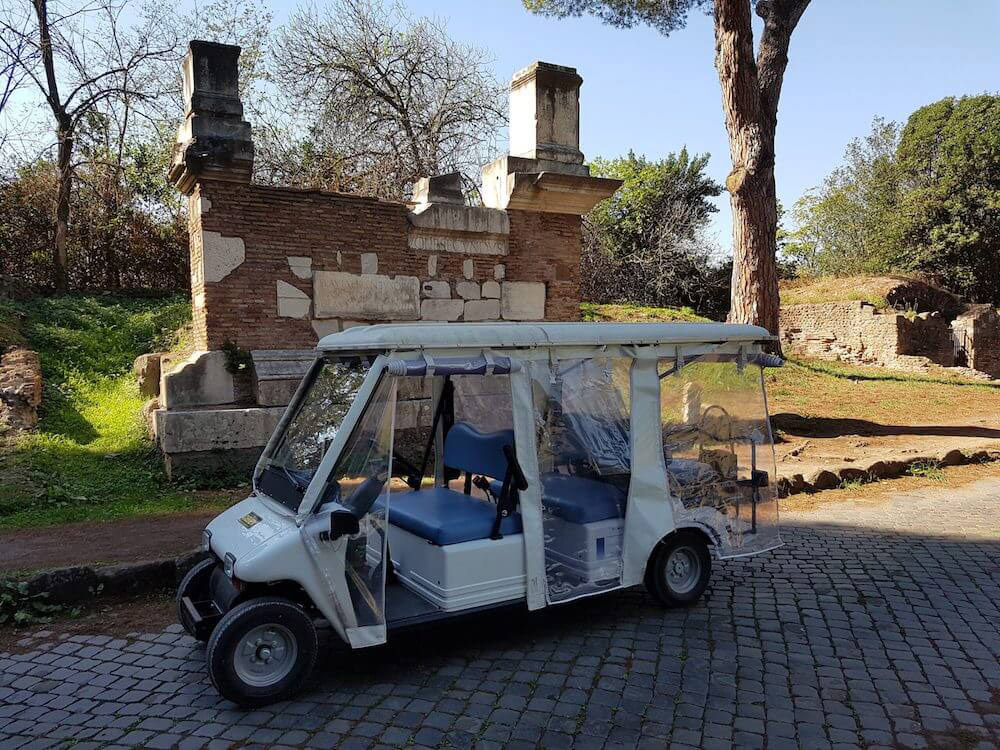


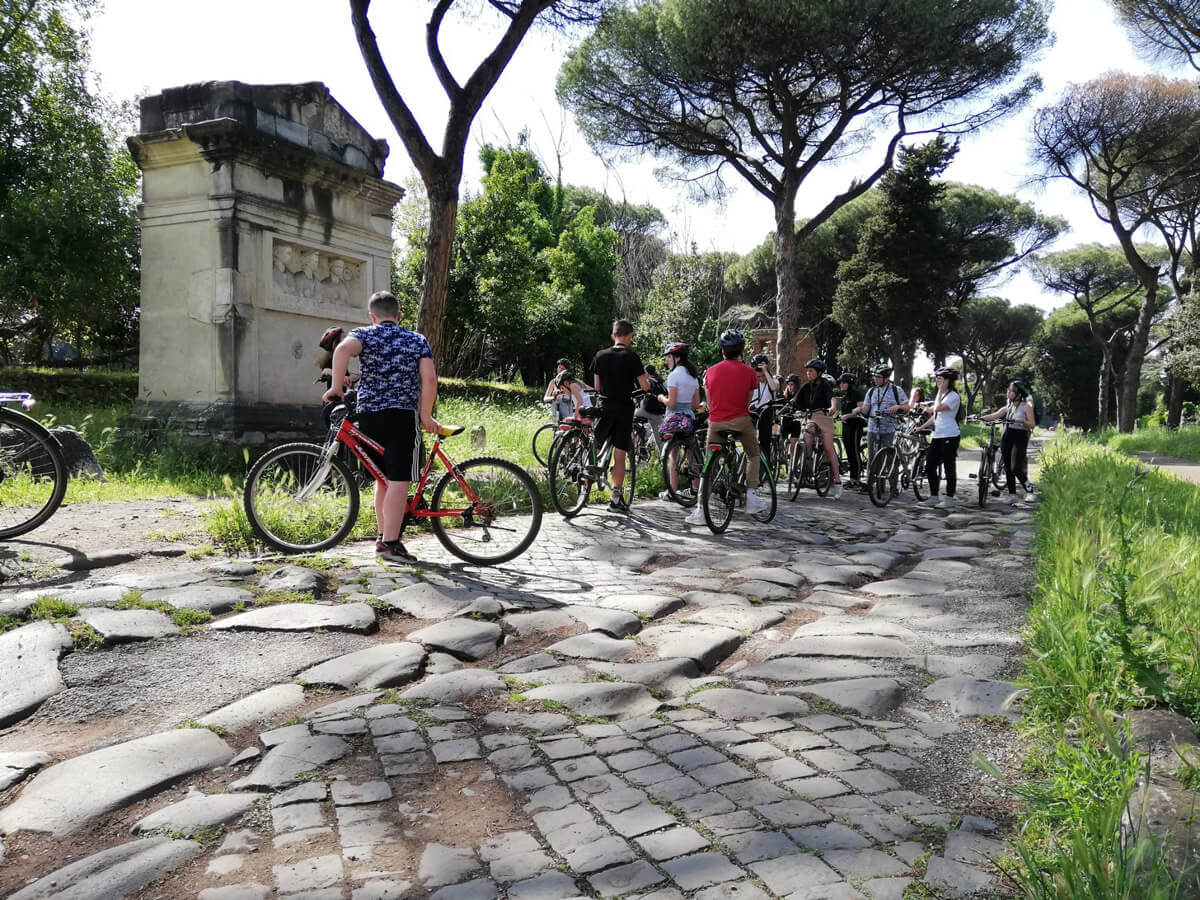
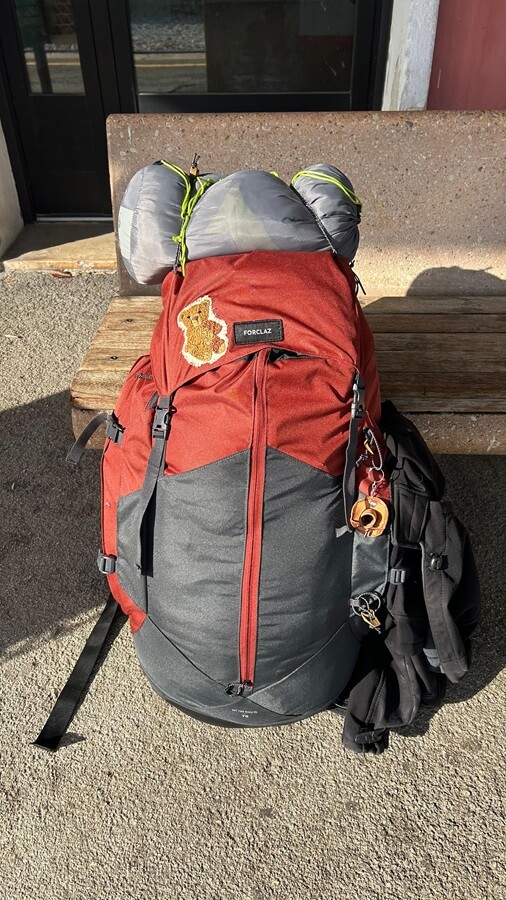
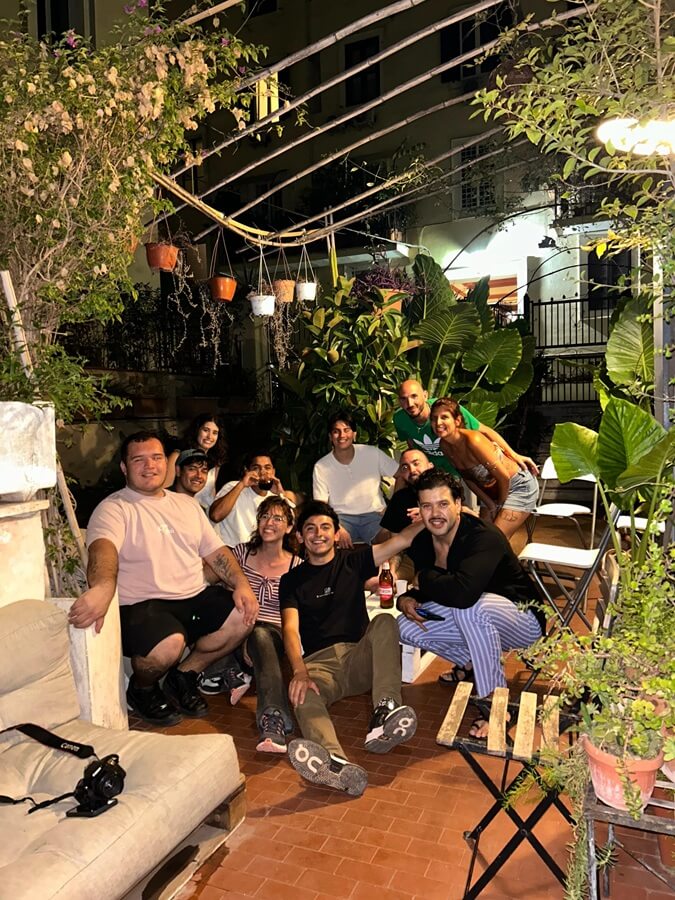
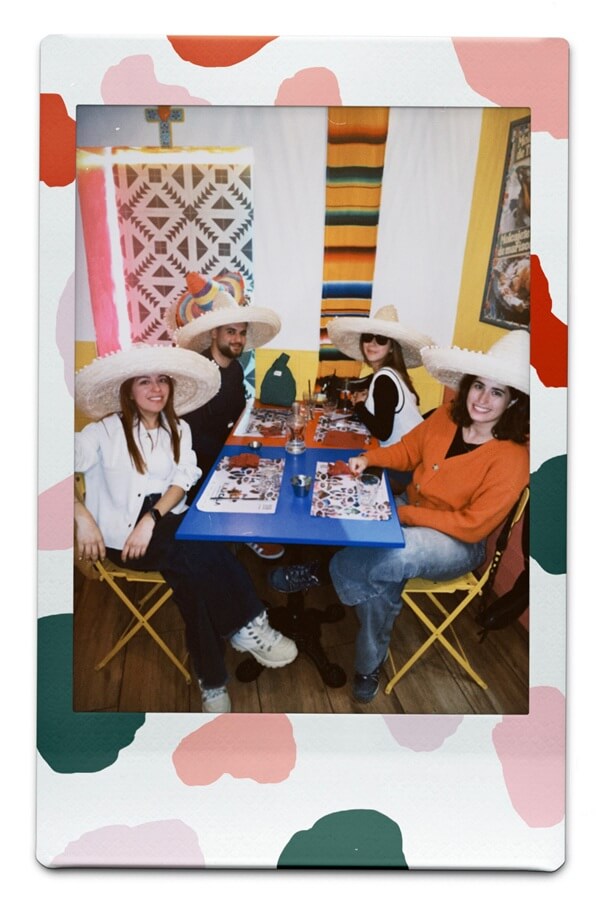
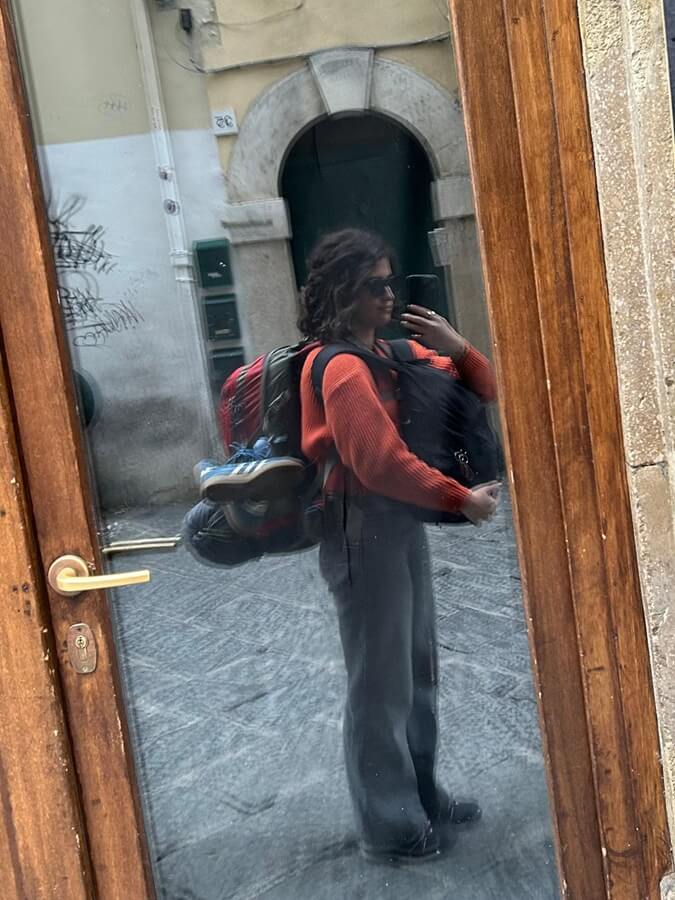

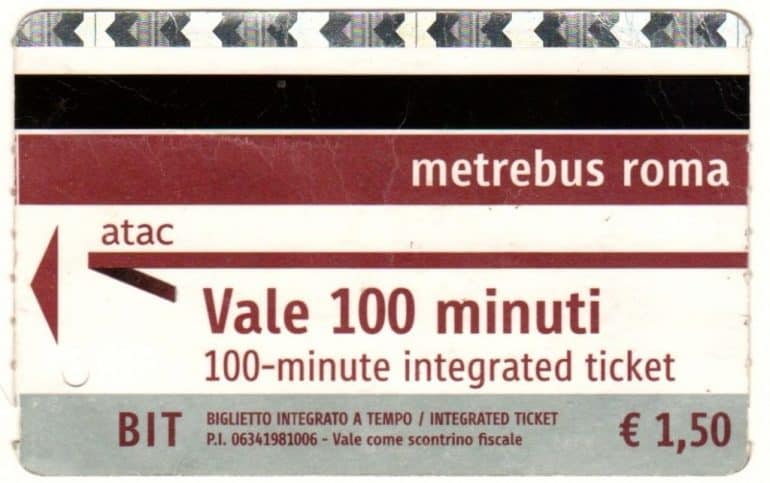




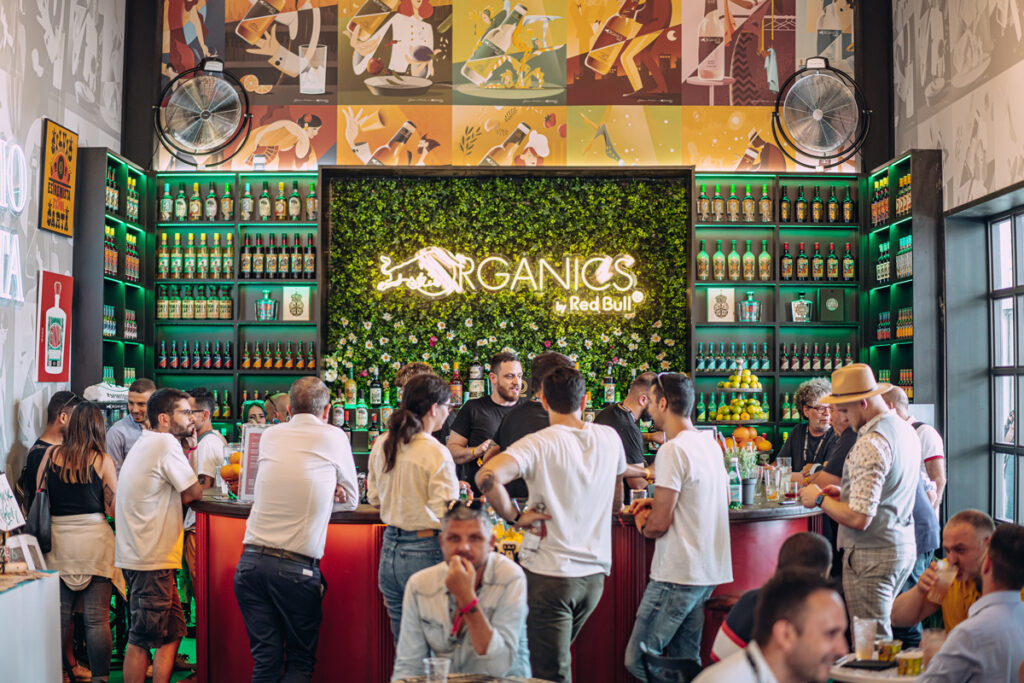

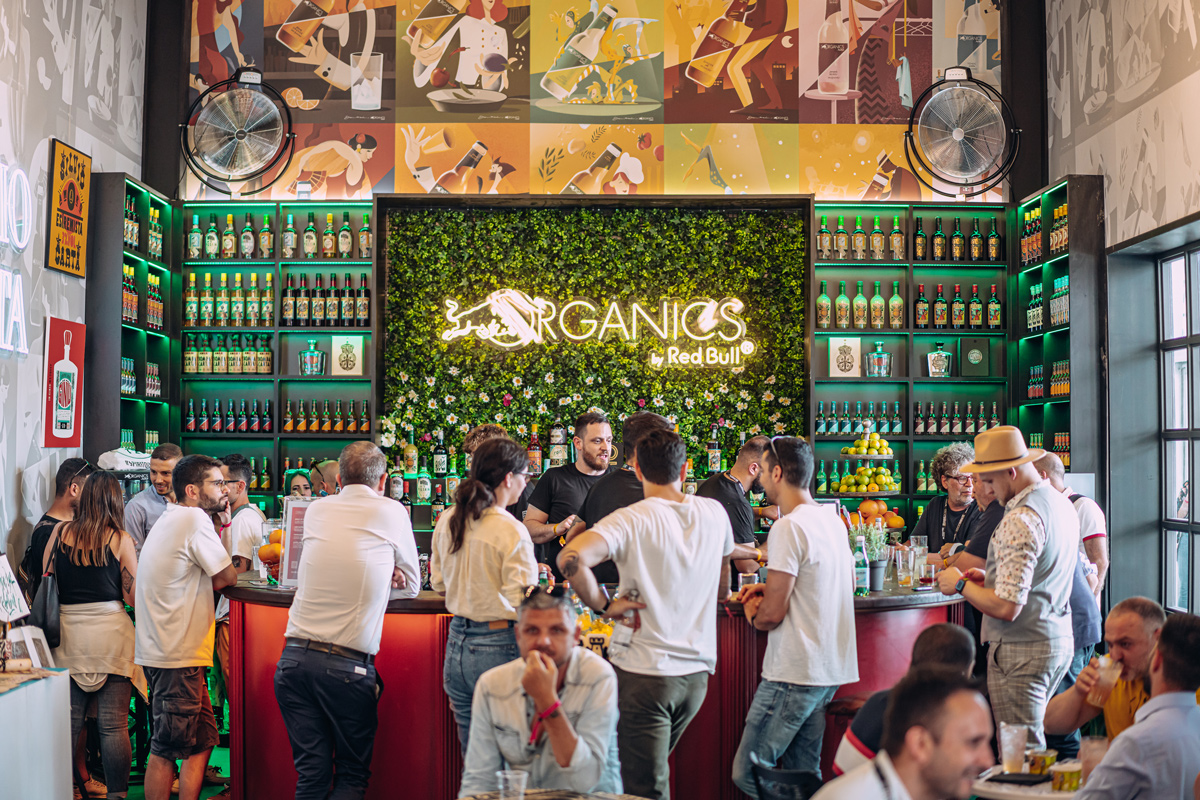
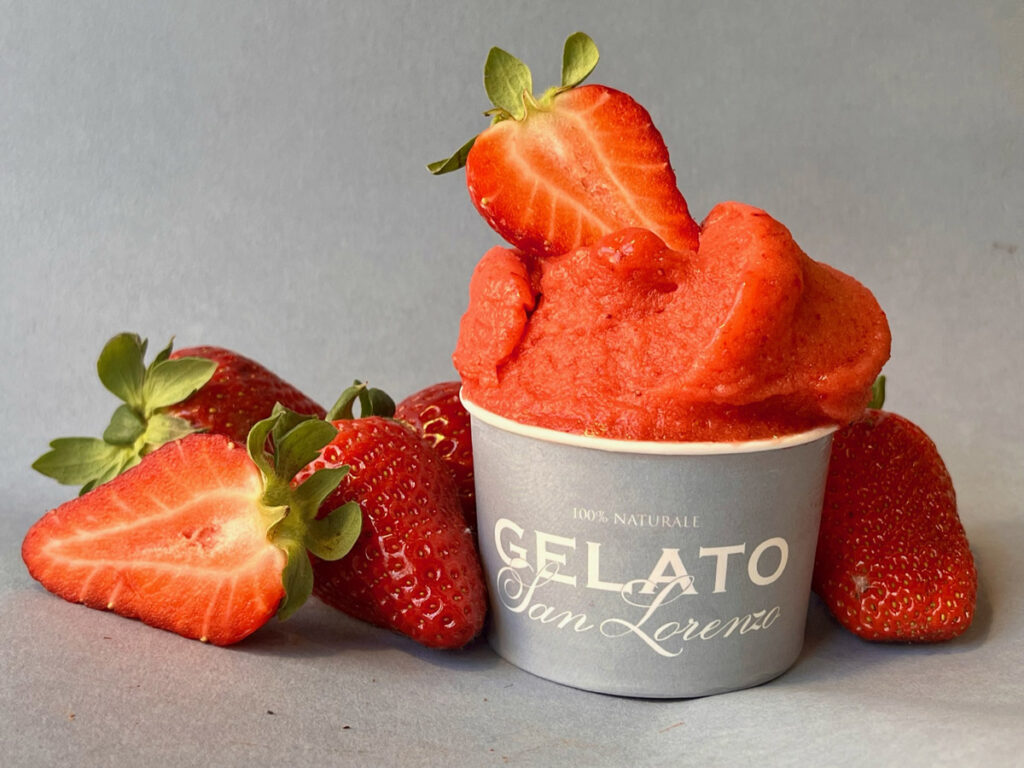
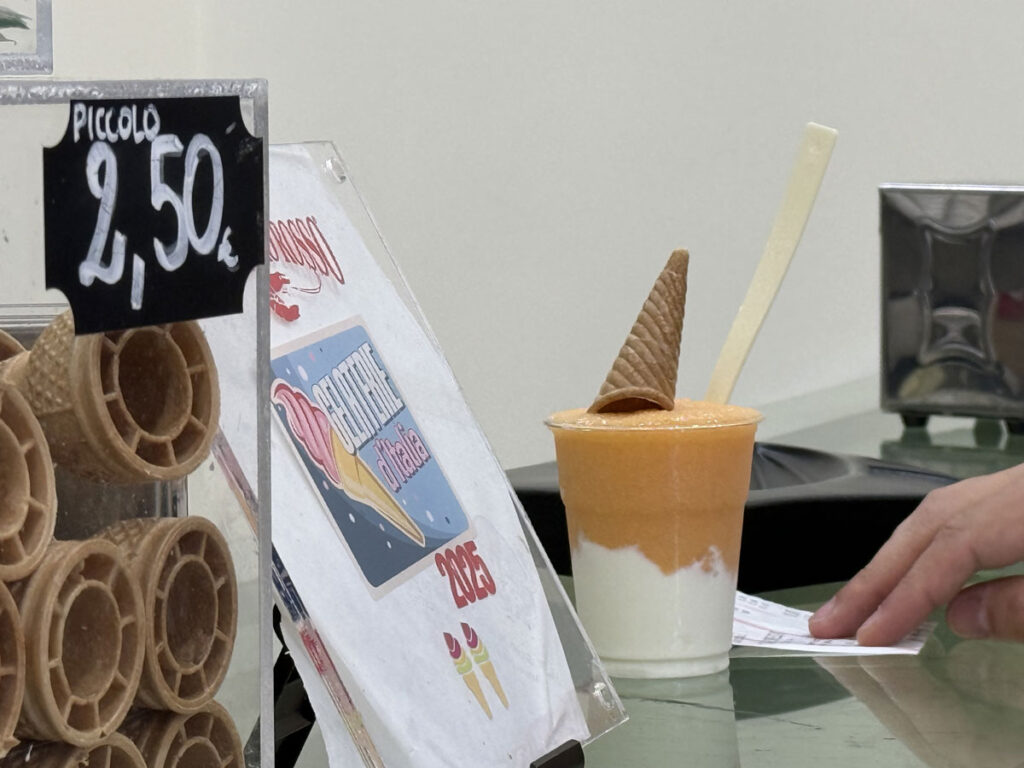
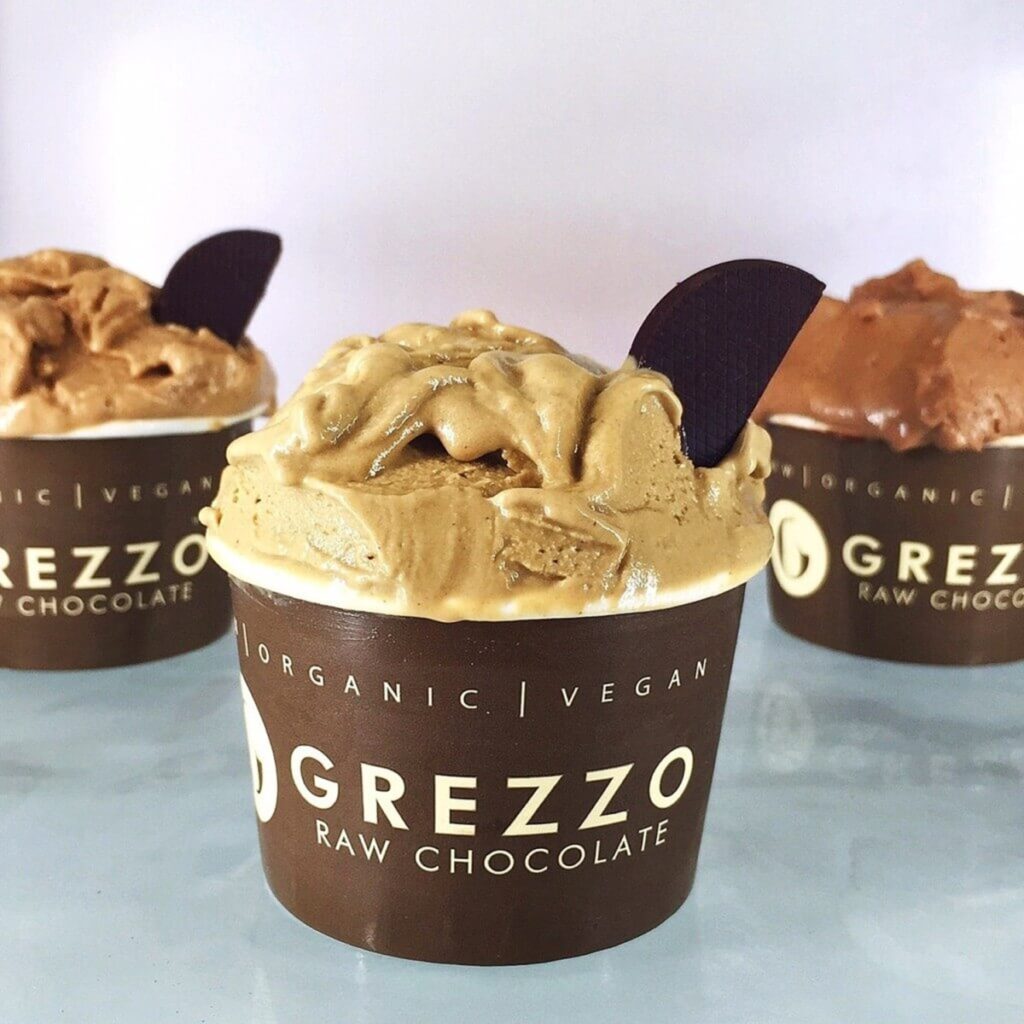
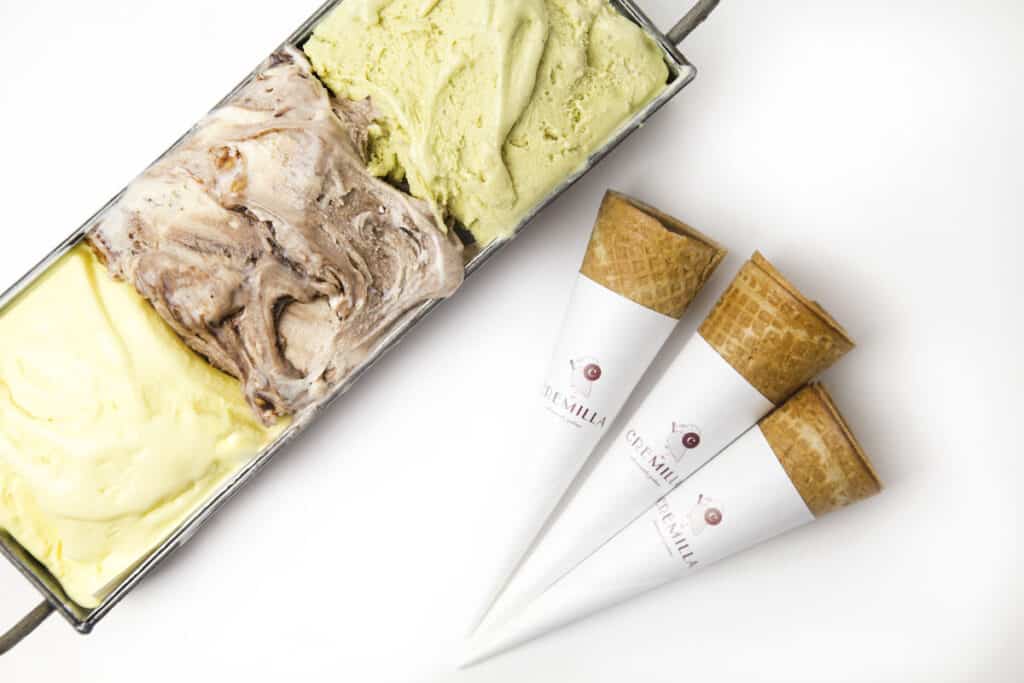

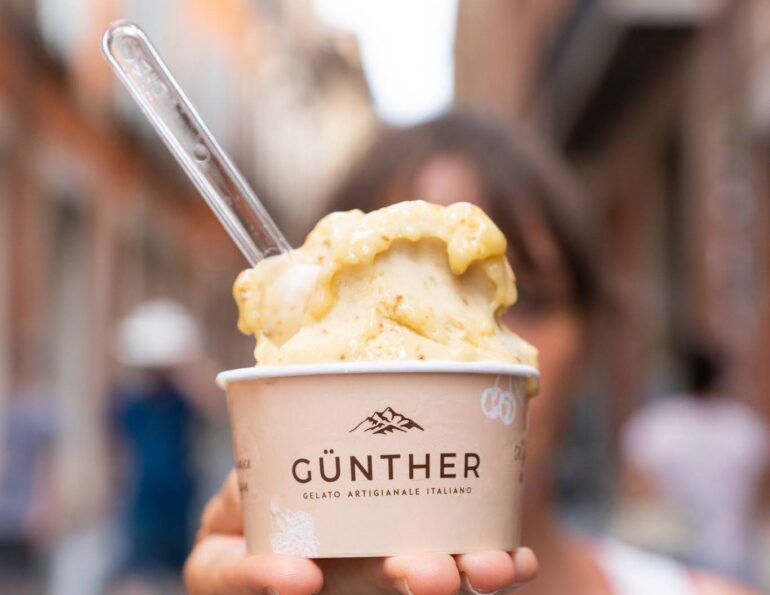
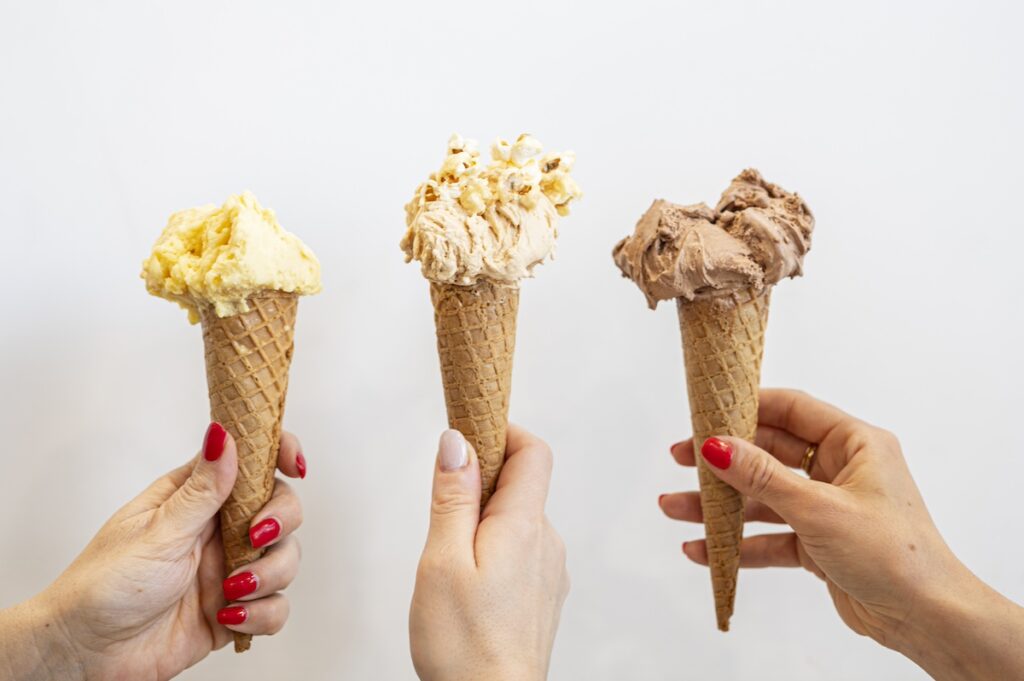
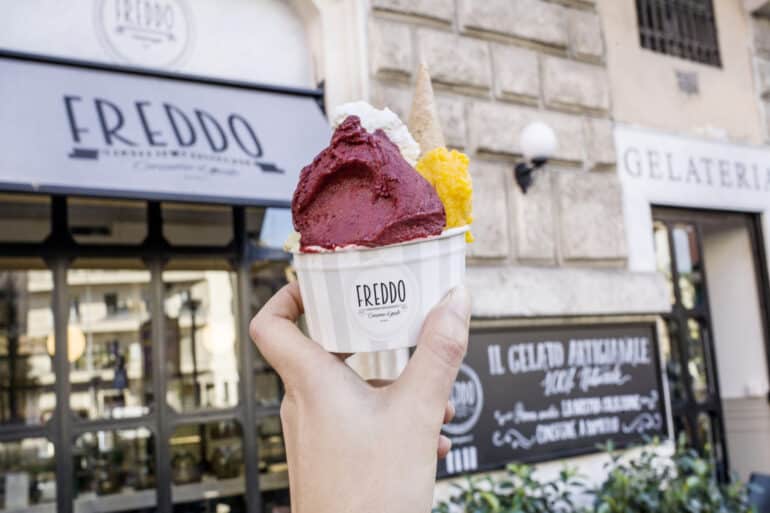
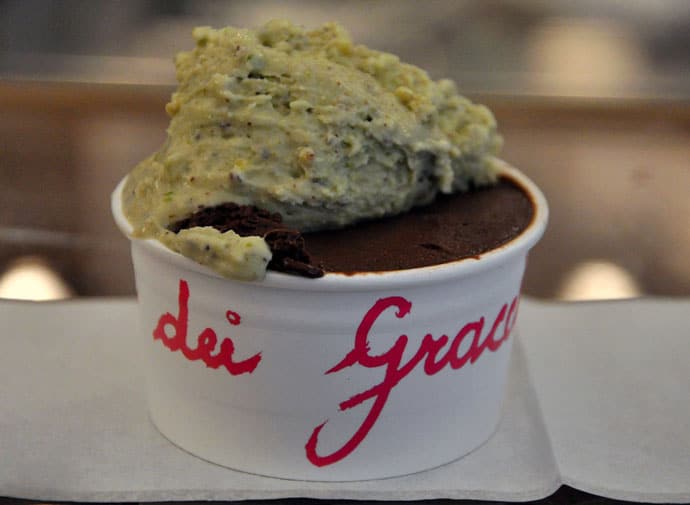
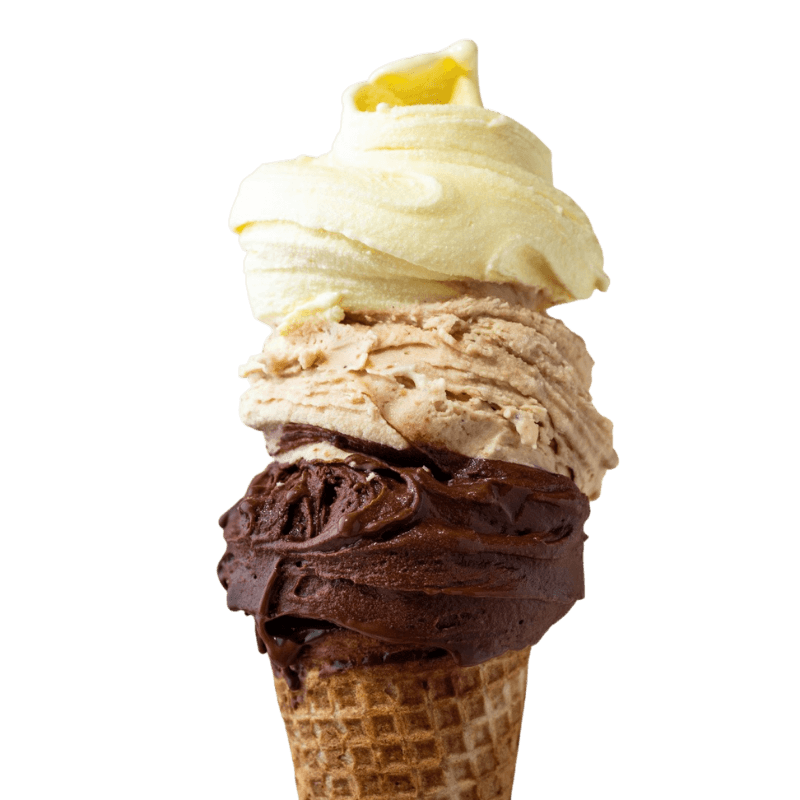
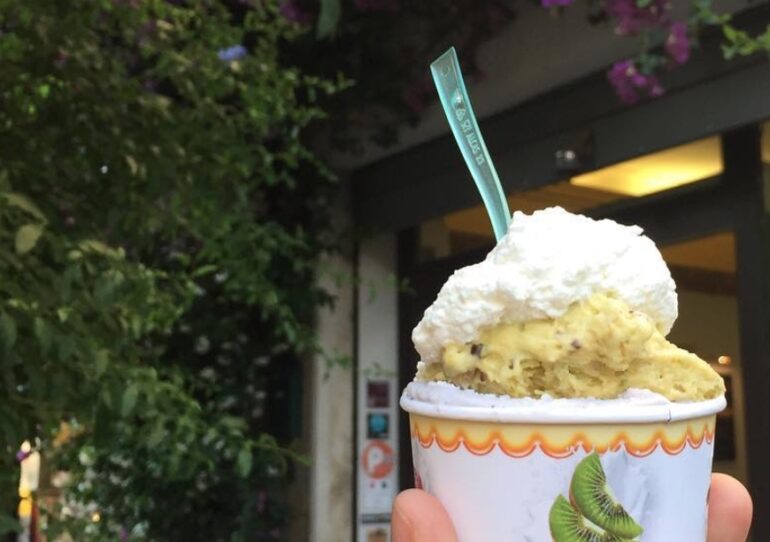
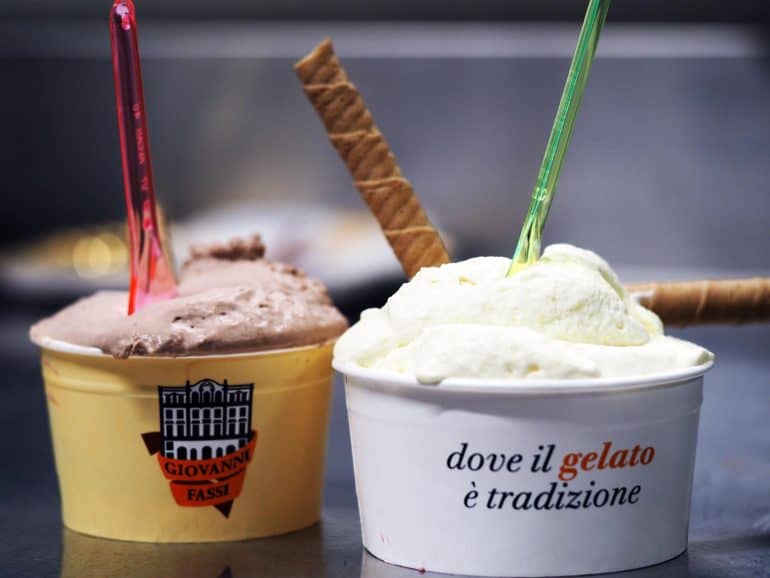
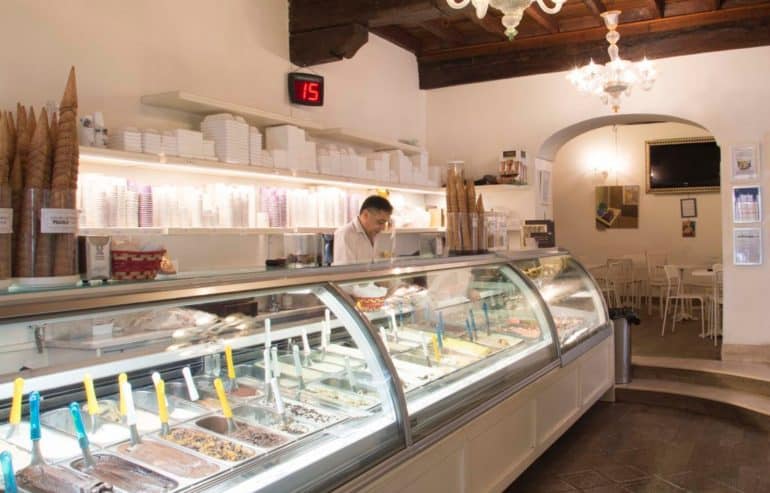
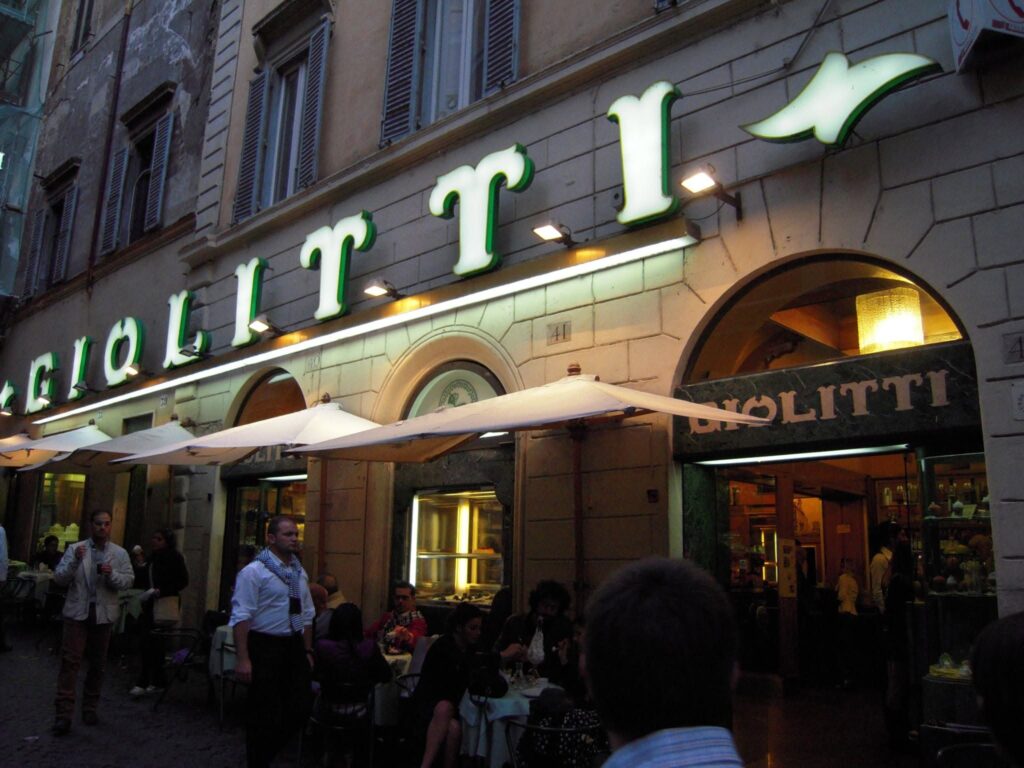
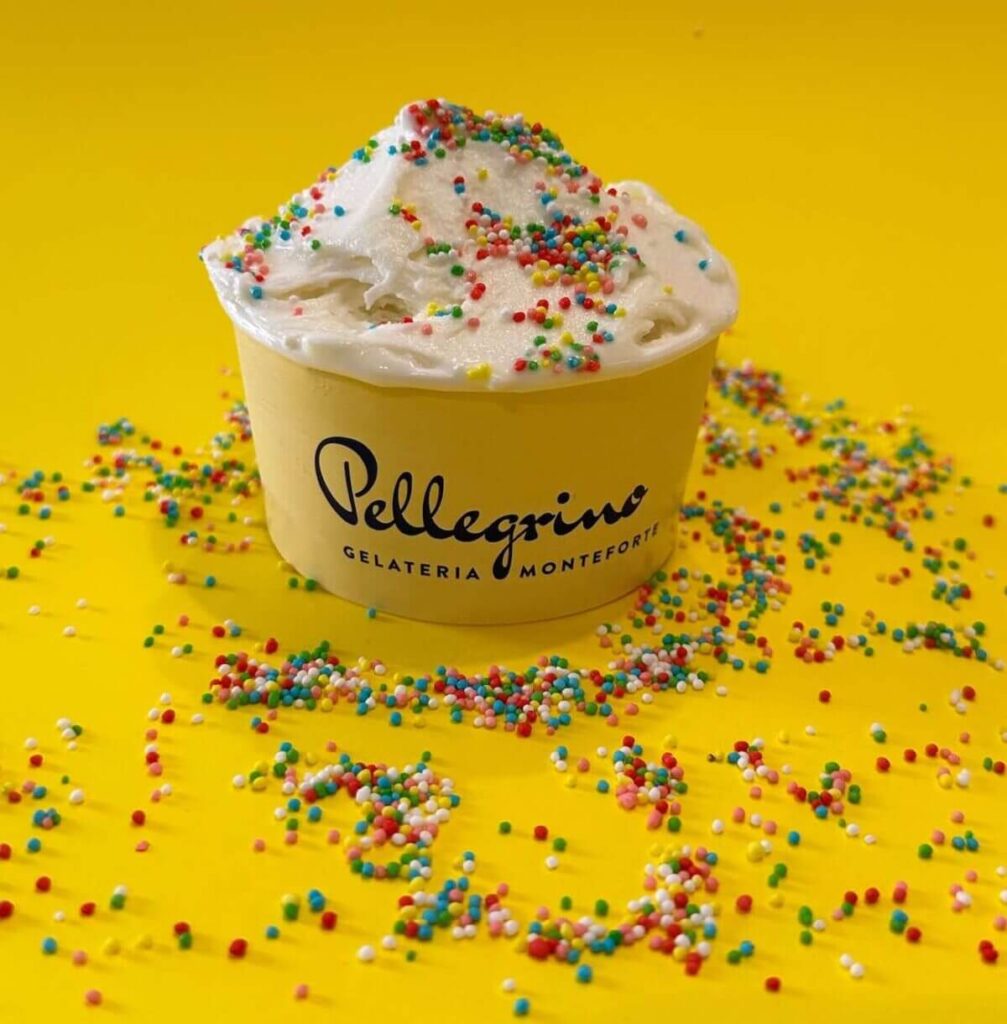
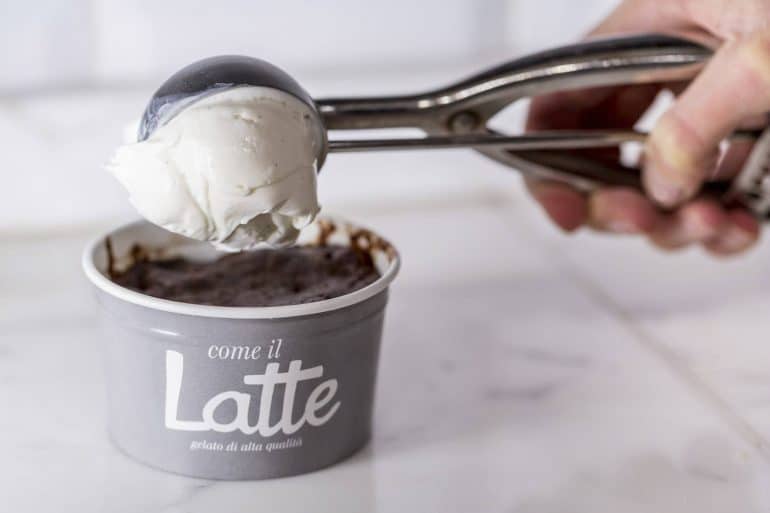
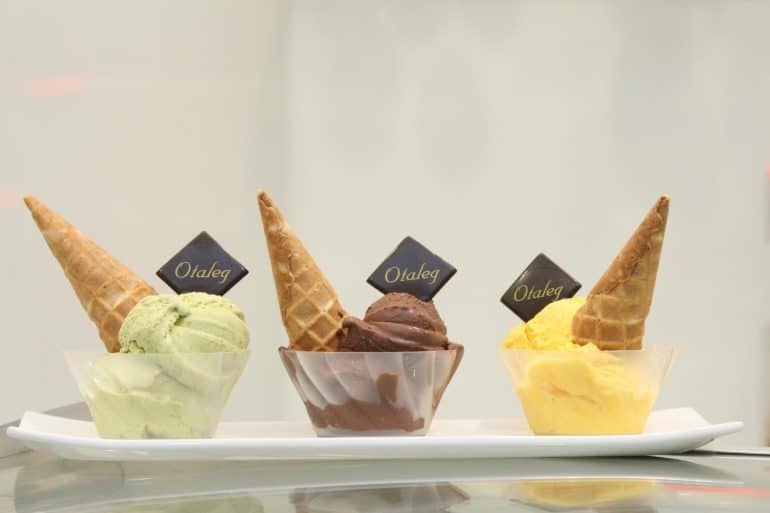
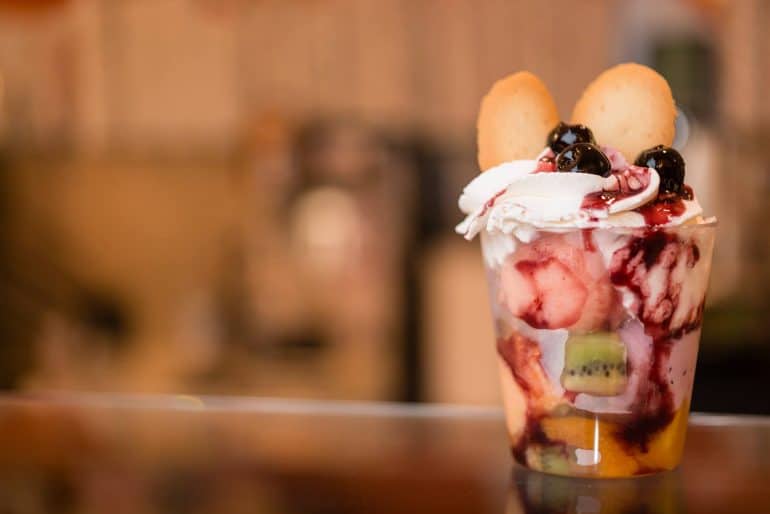
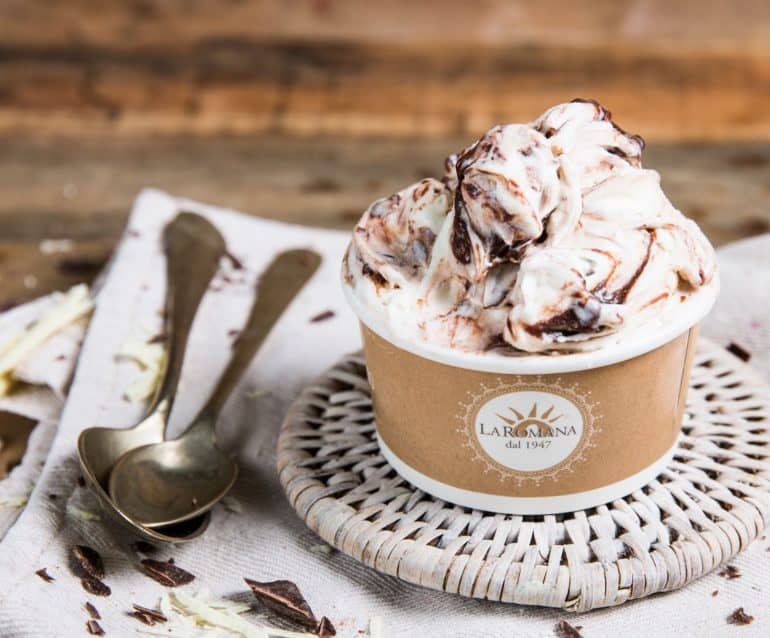
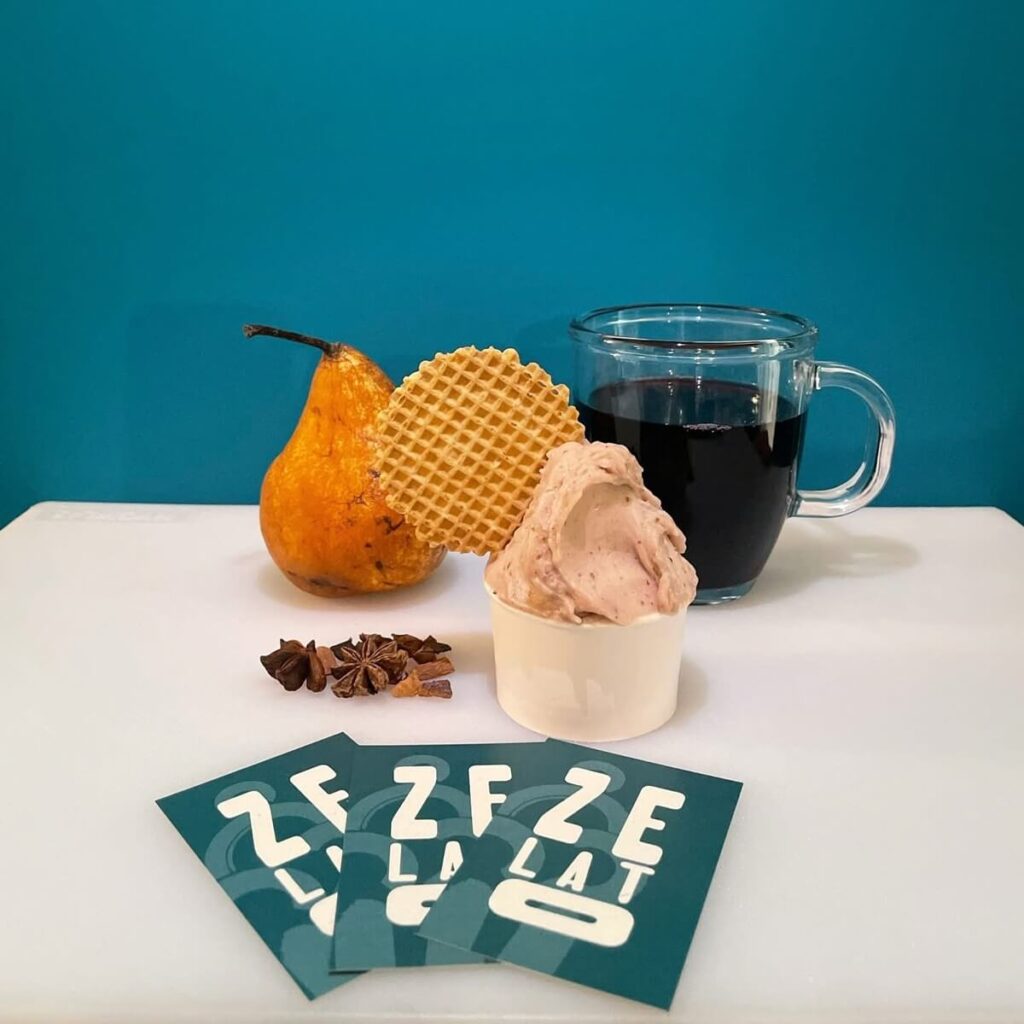
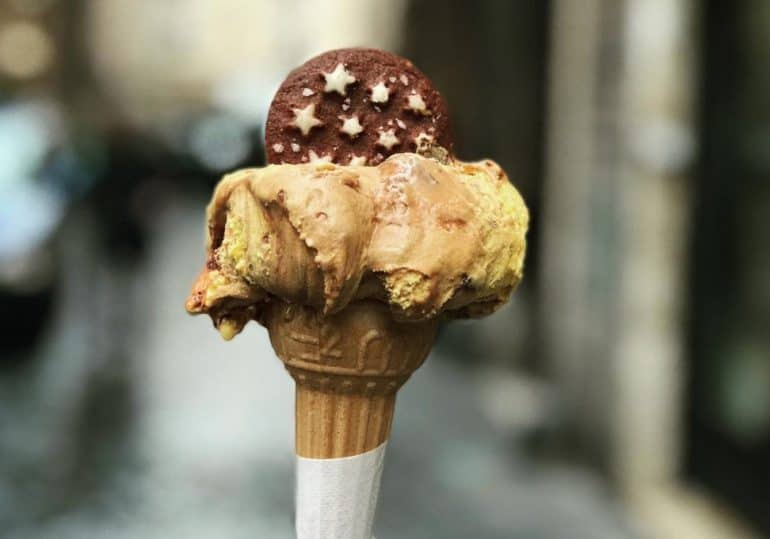
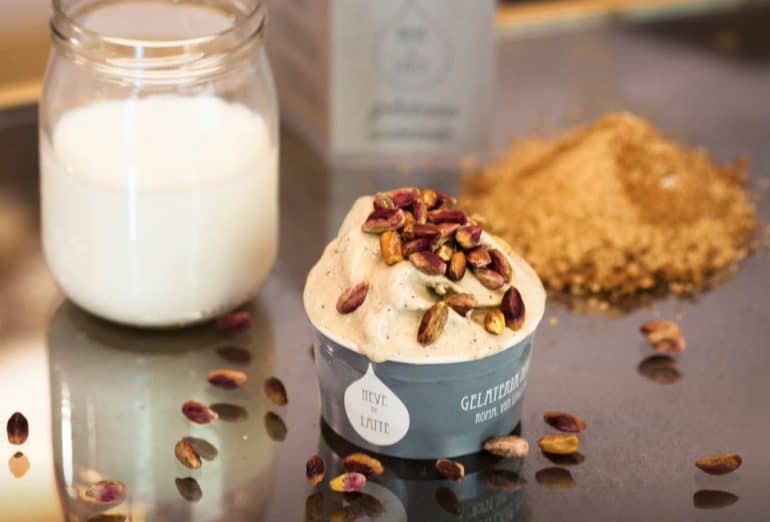
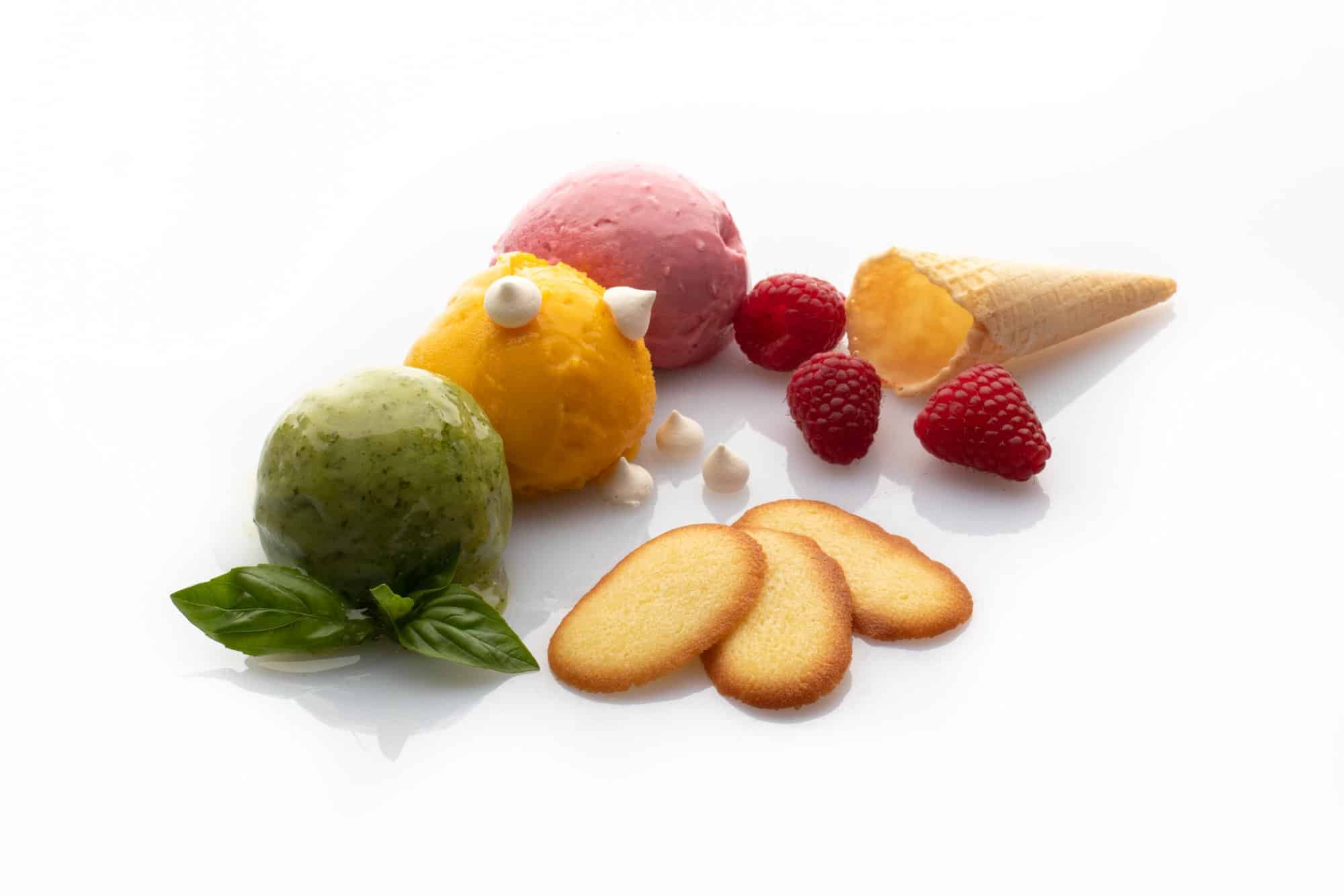
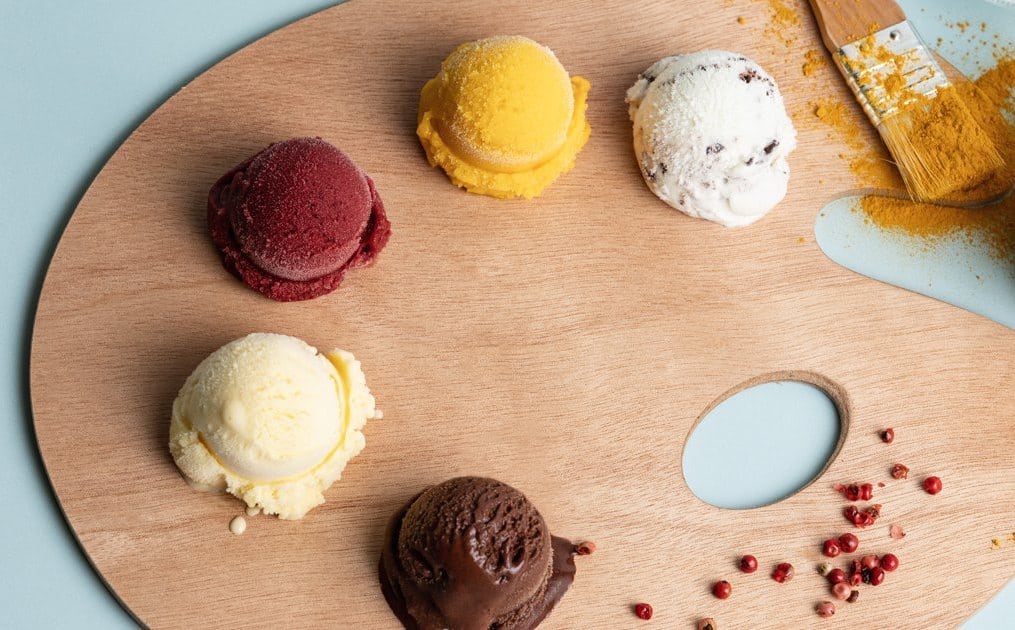
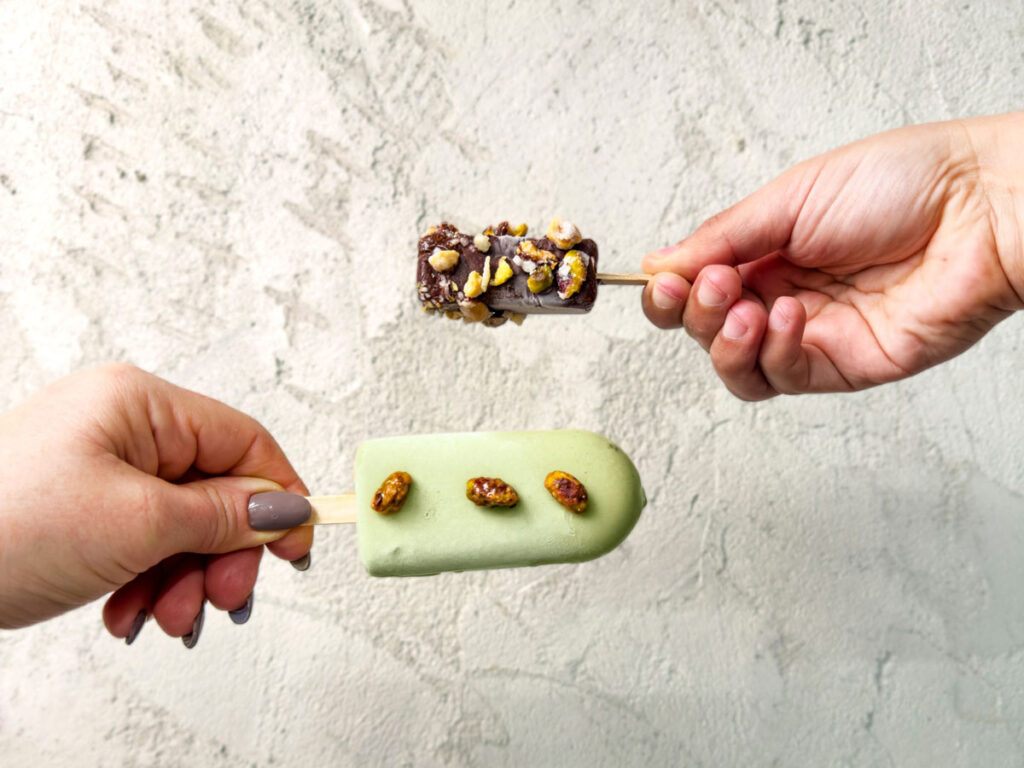
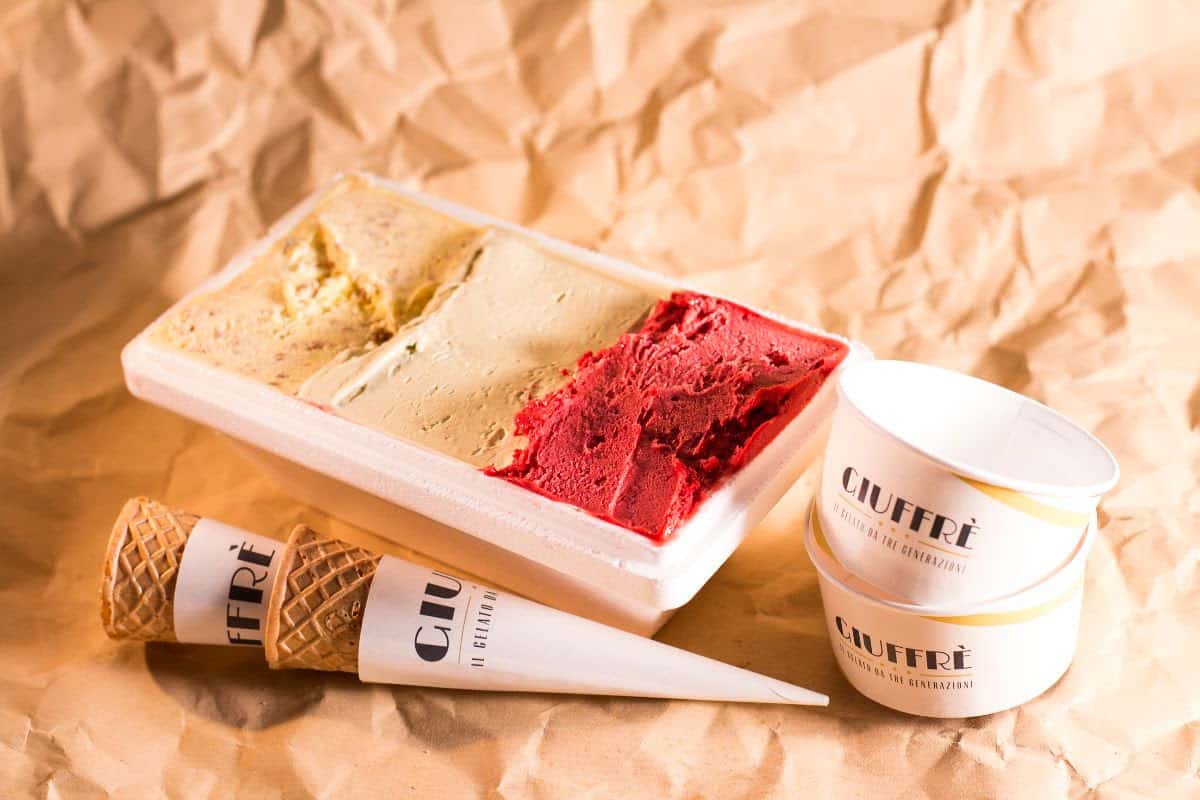
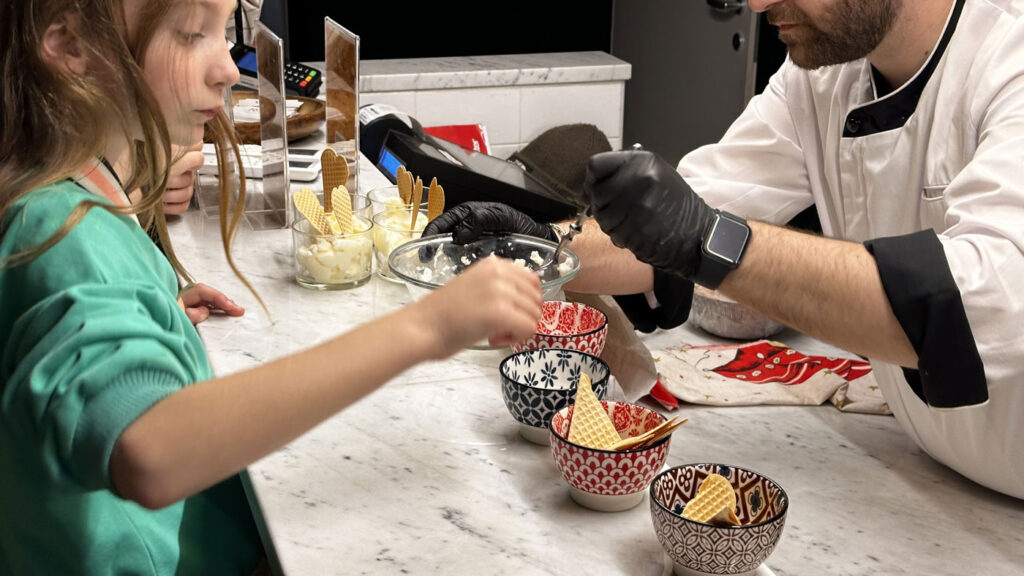

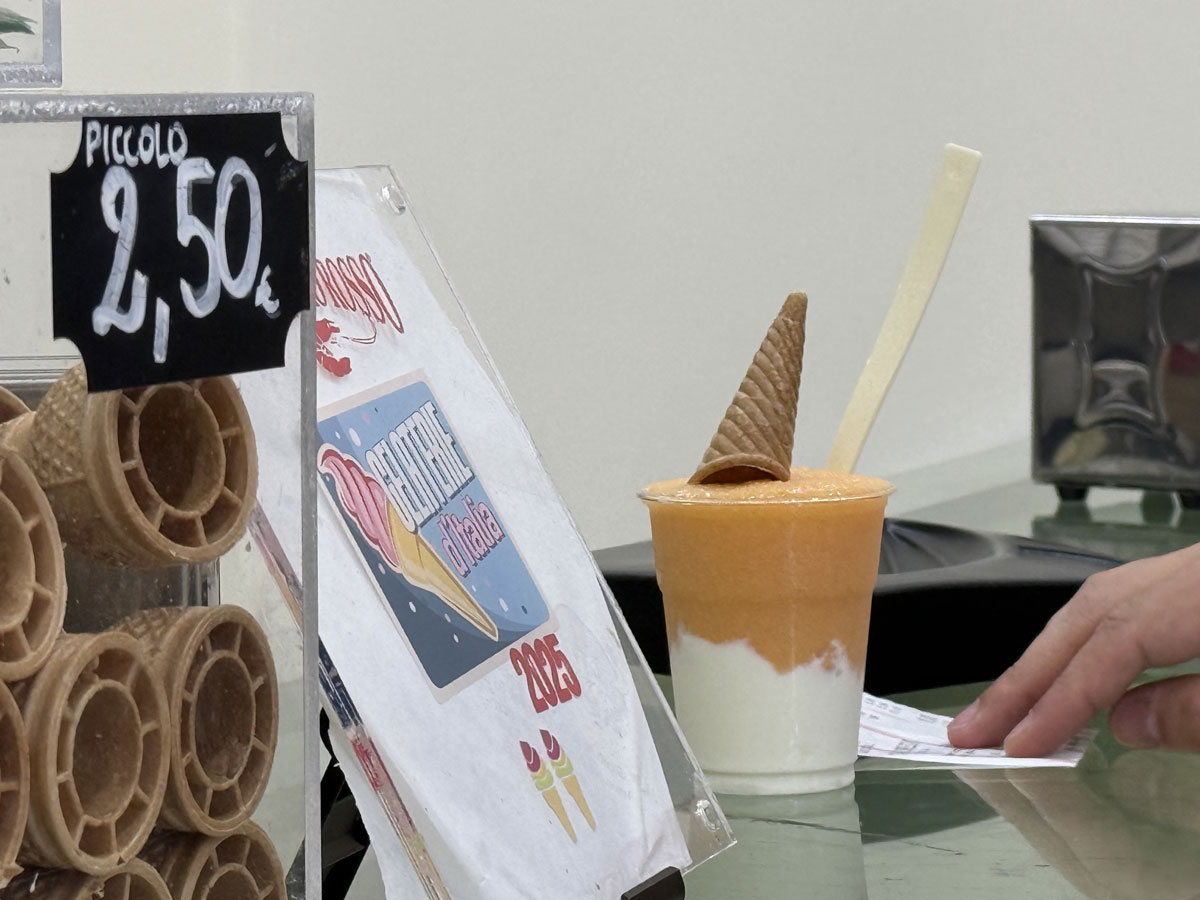


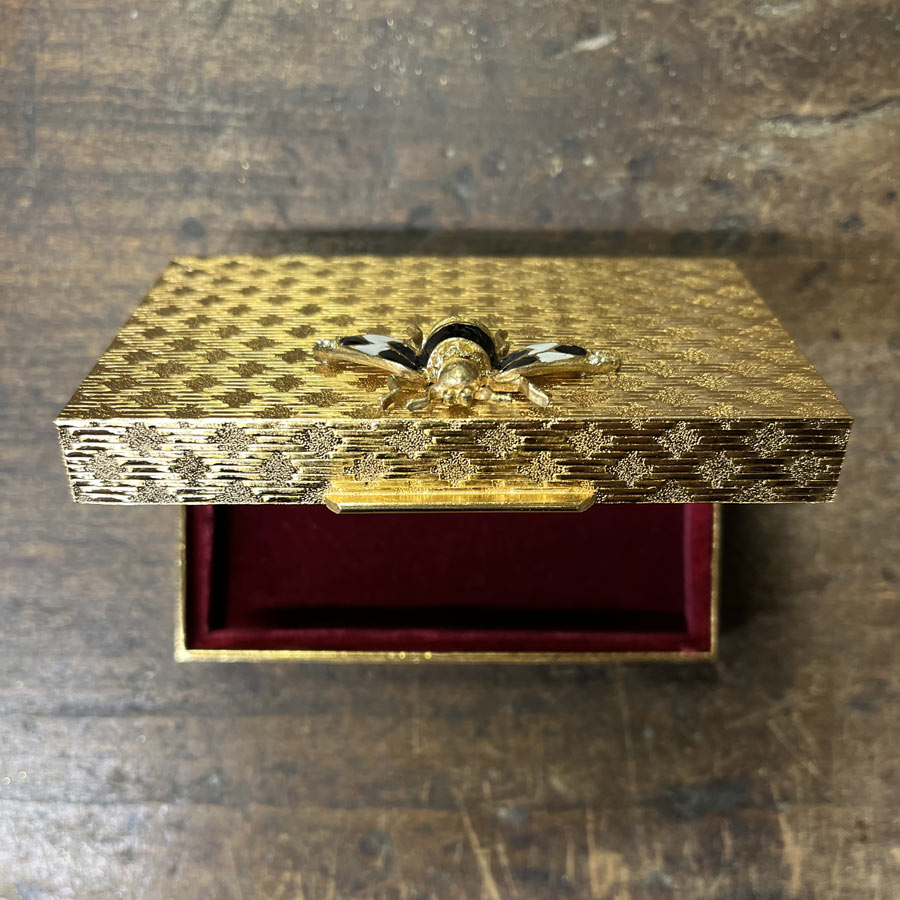


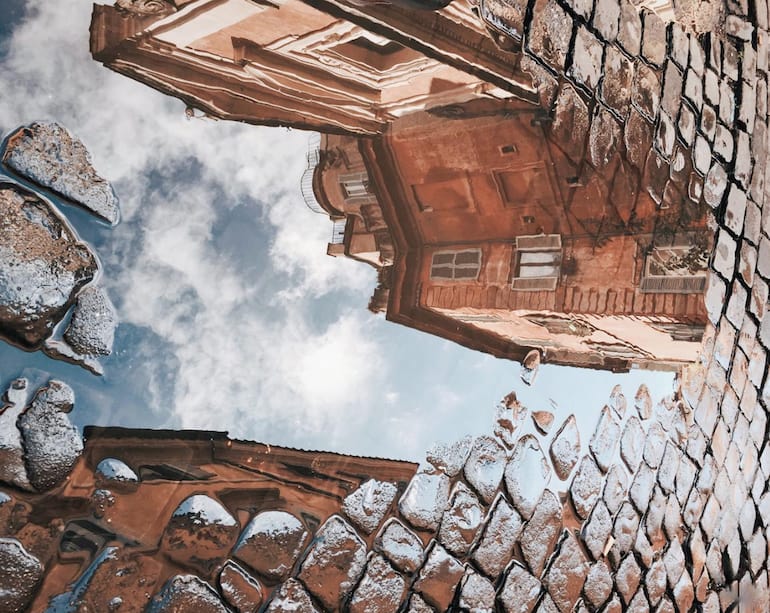



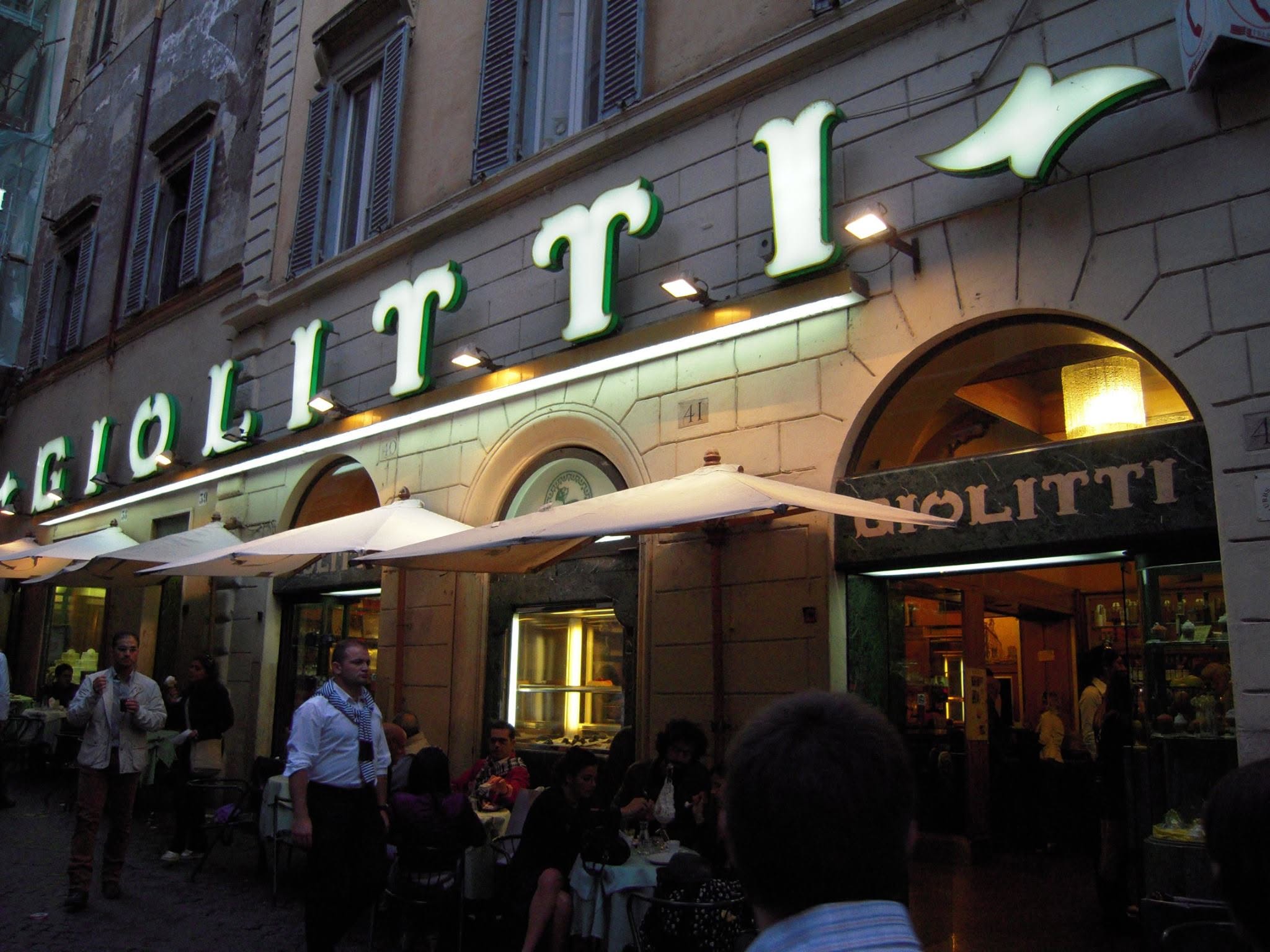


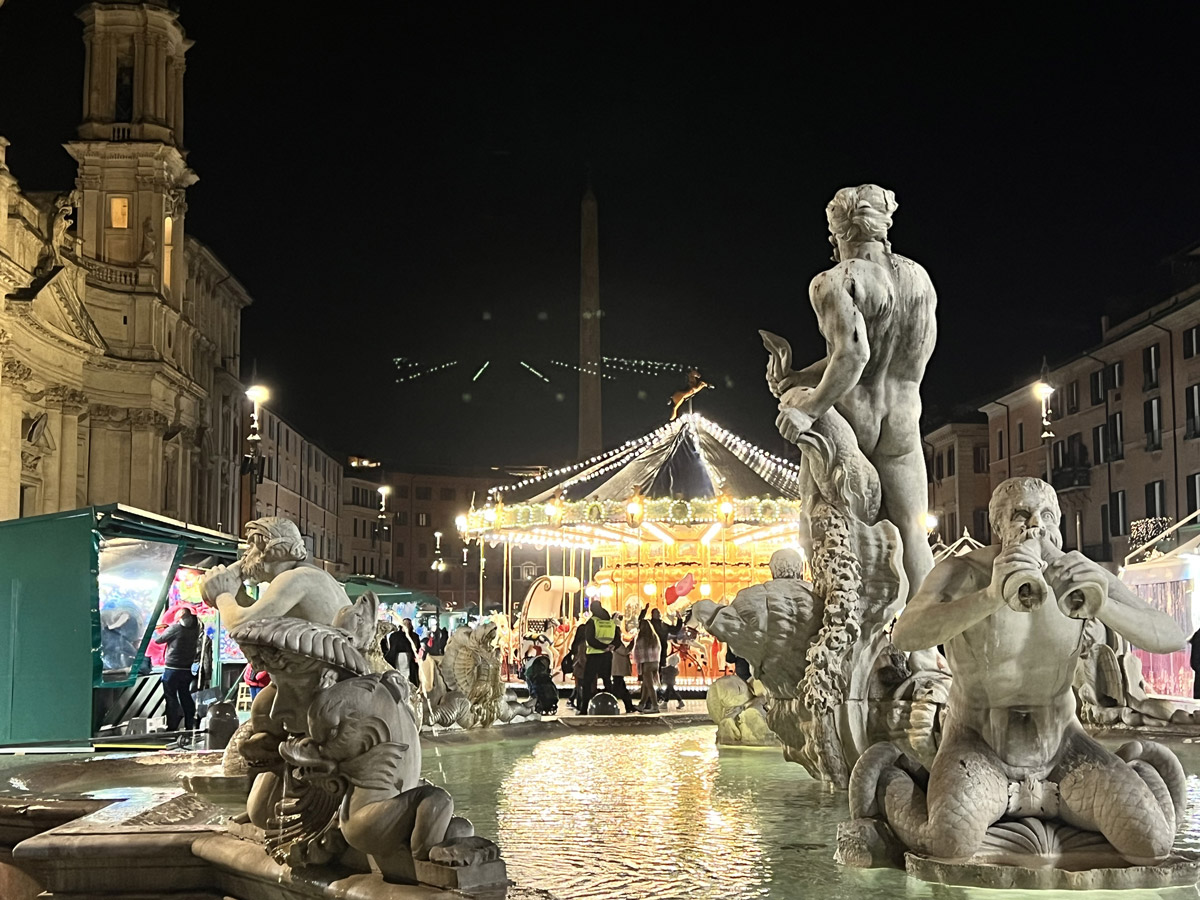



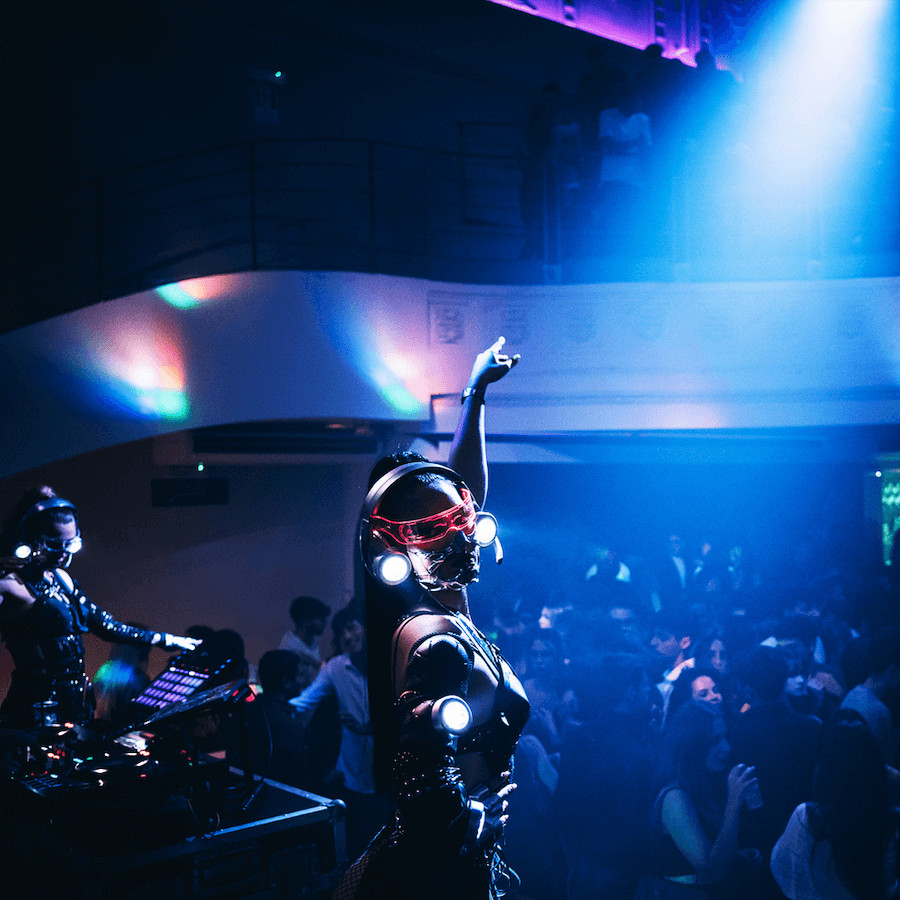
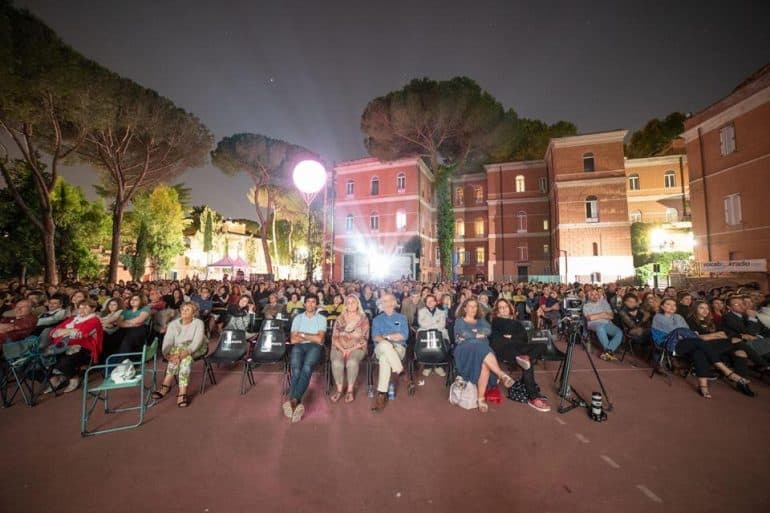


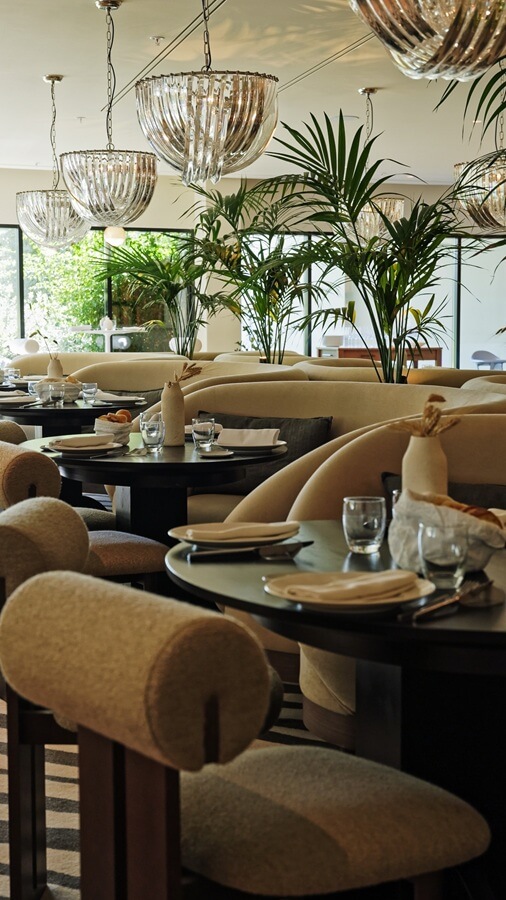

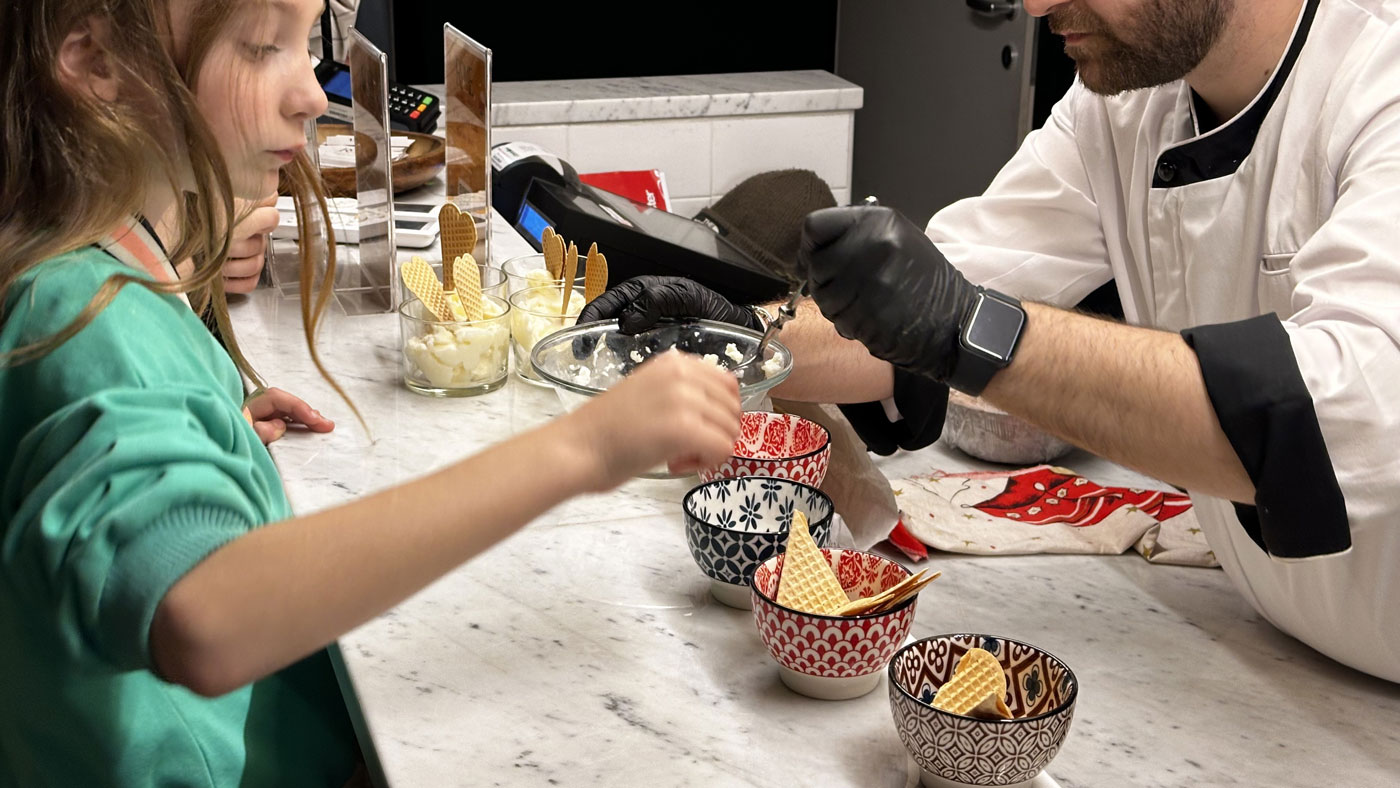
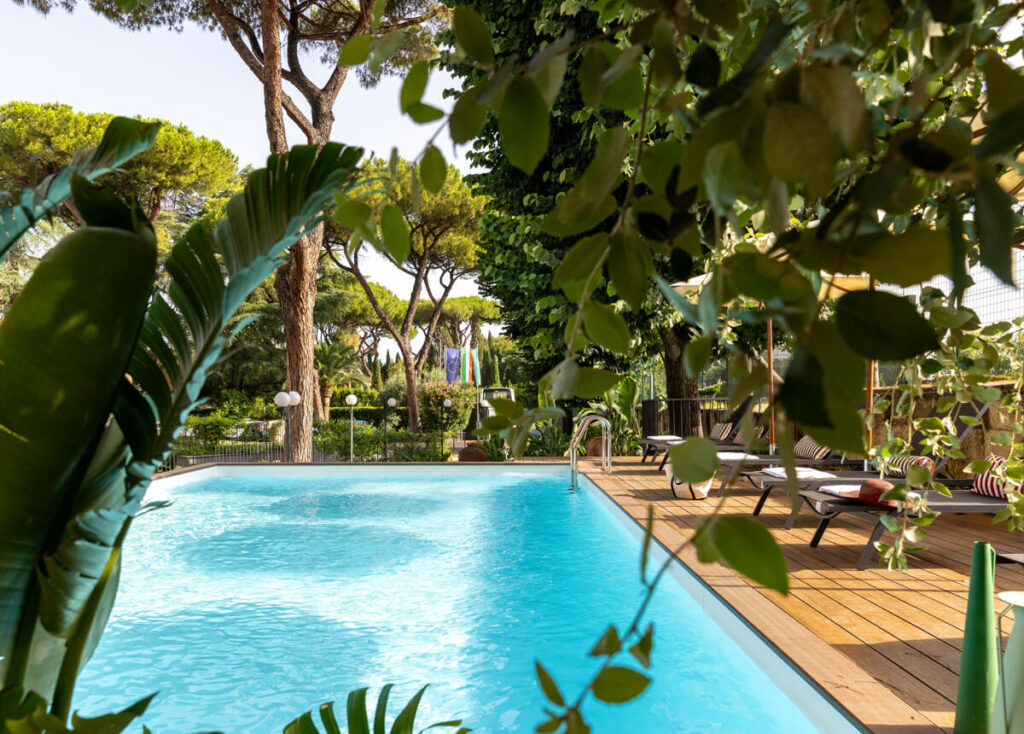
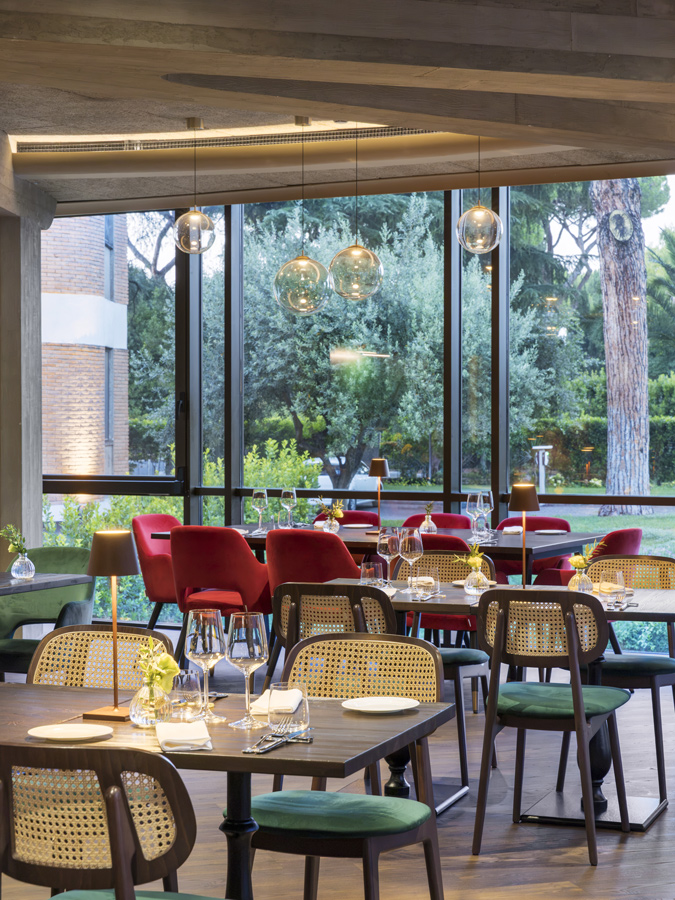
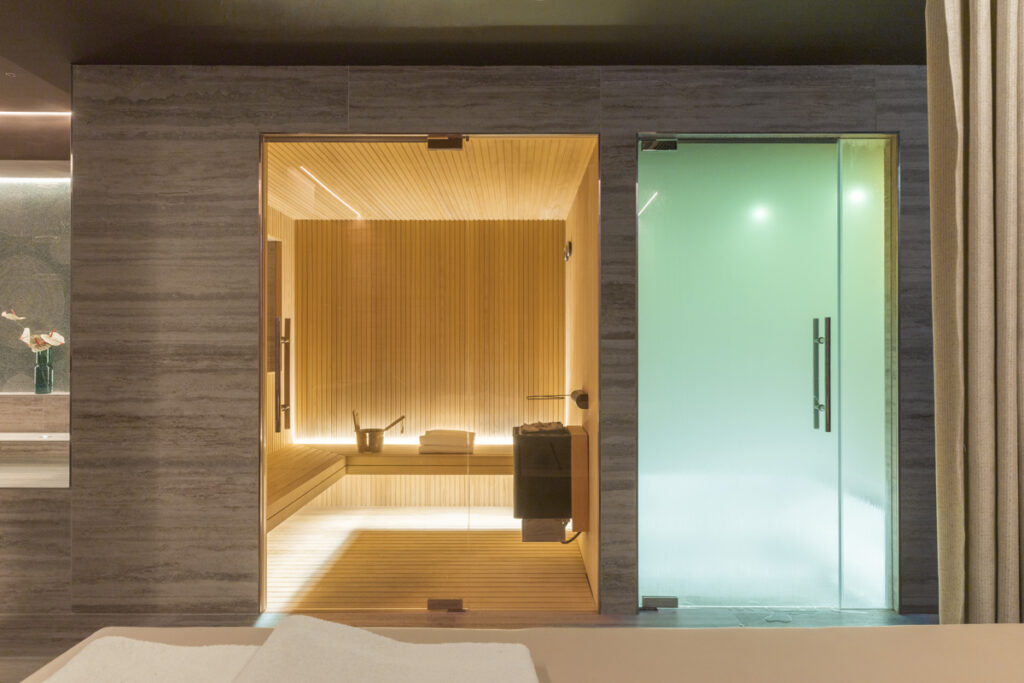
 Via delle Sette Chiese 280b
 Pool: from 18 July, day pass €40 (open 8am–6.30pm, adults only, by reservation)
 Urban SPA: daily 1pm–9pm
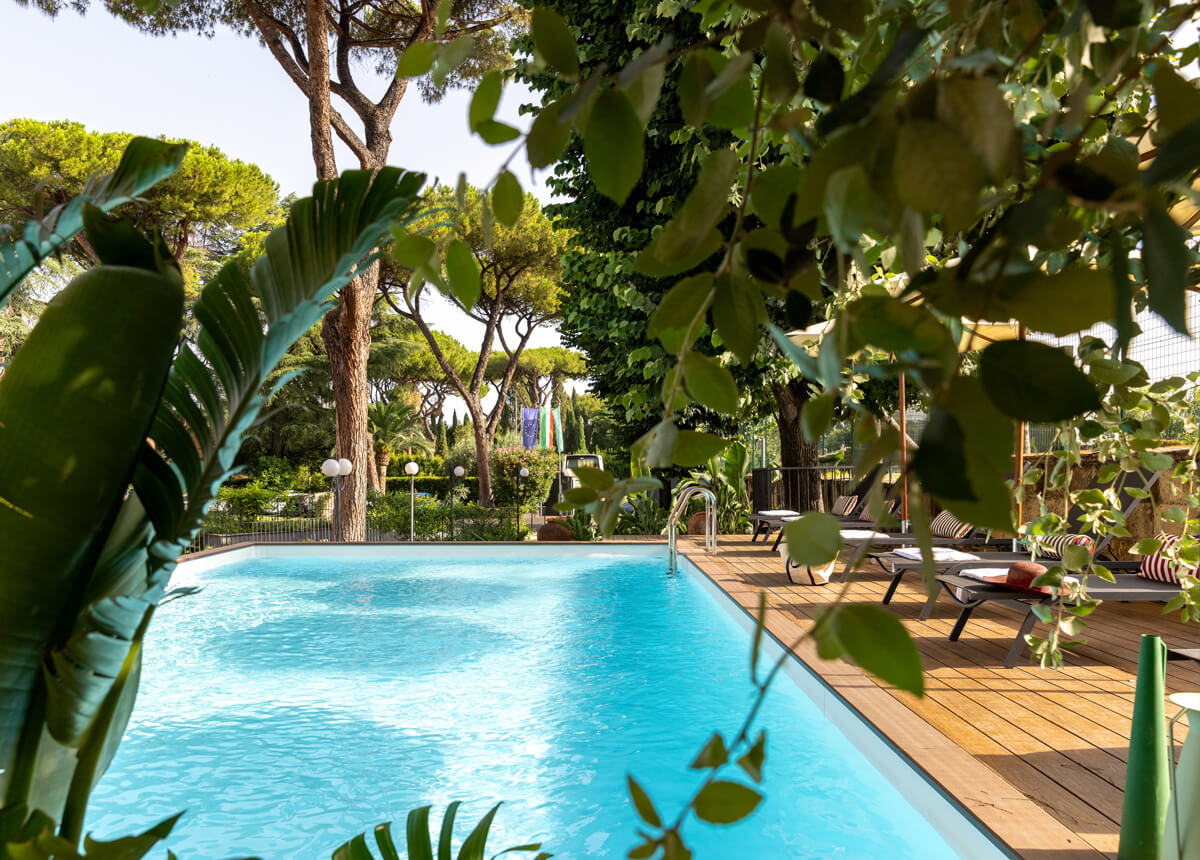
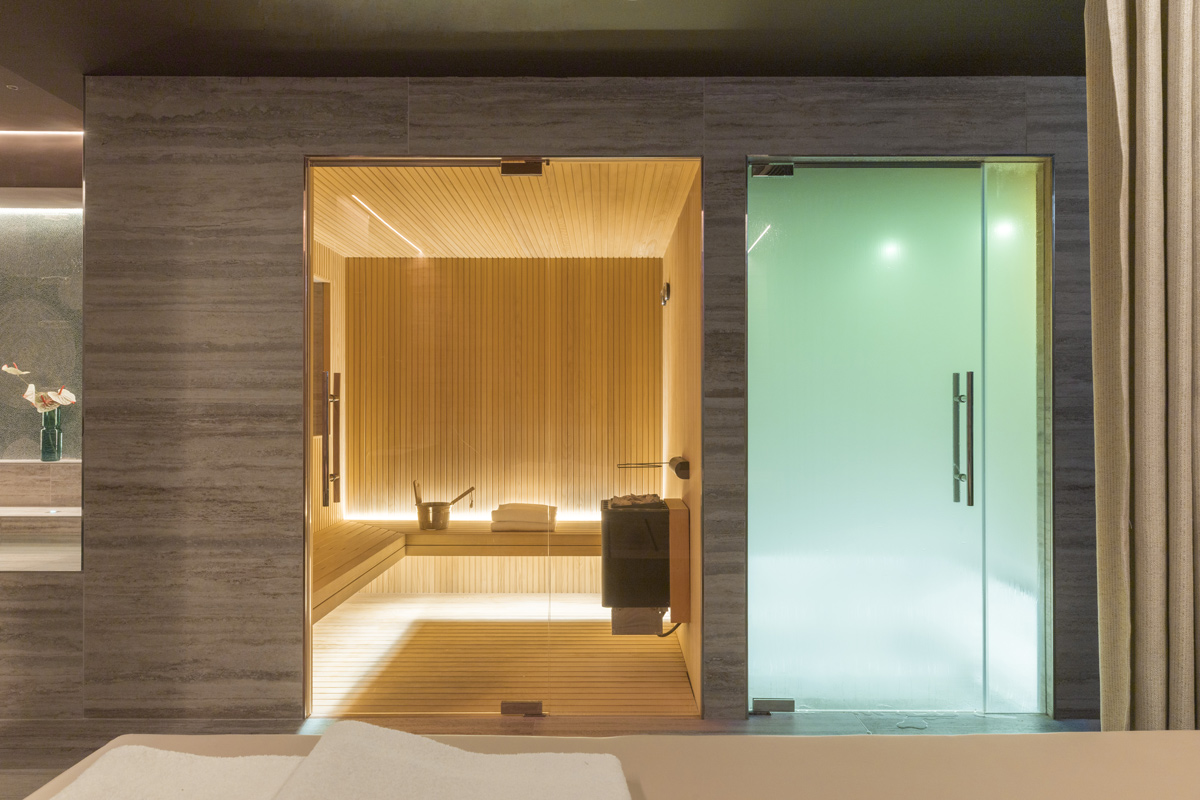
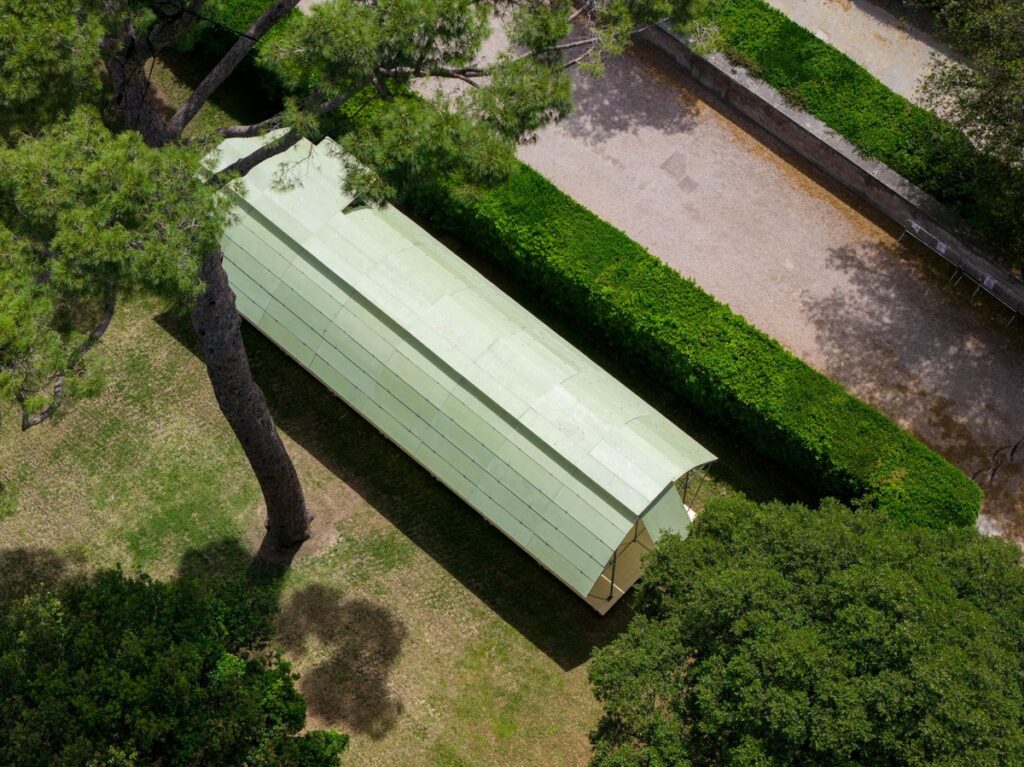
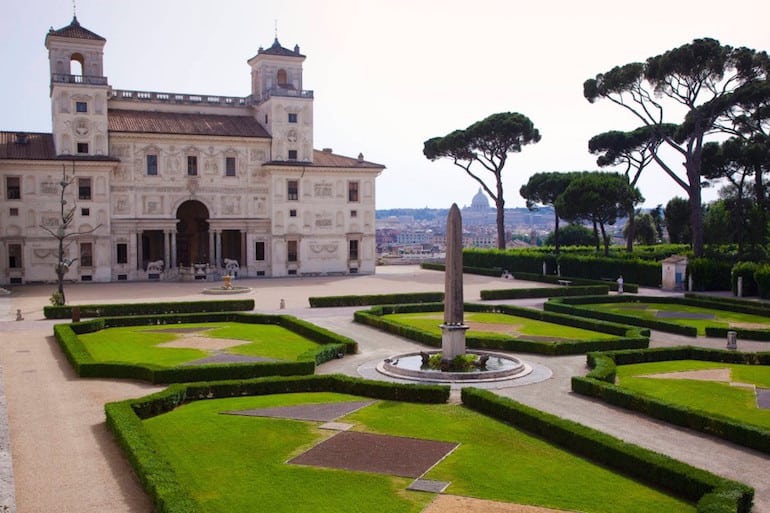
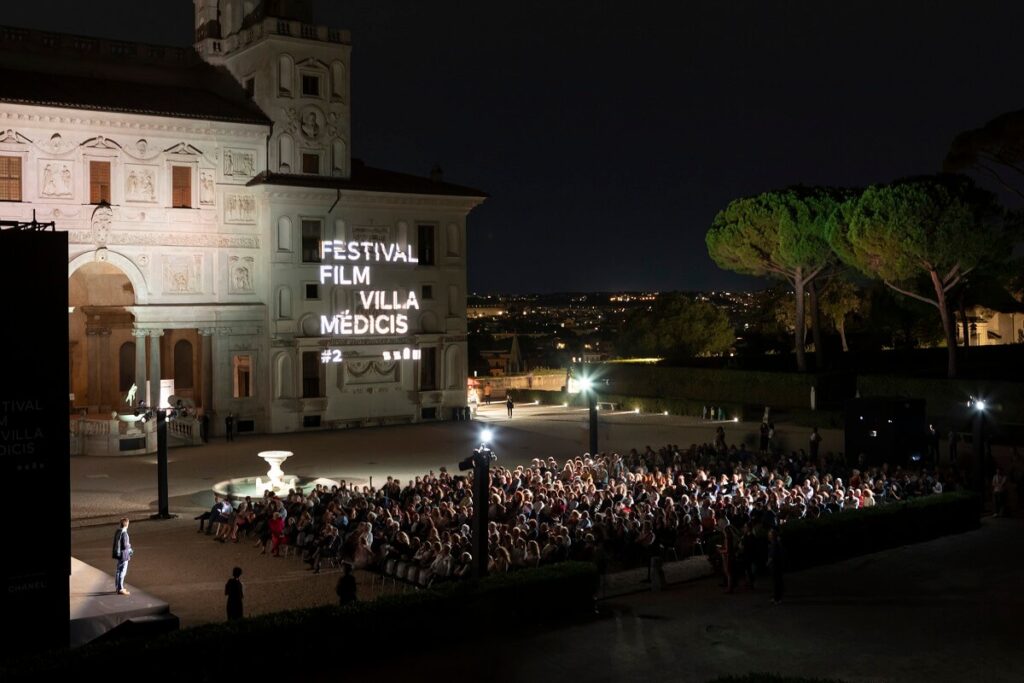
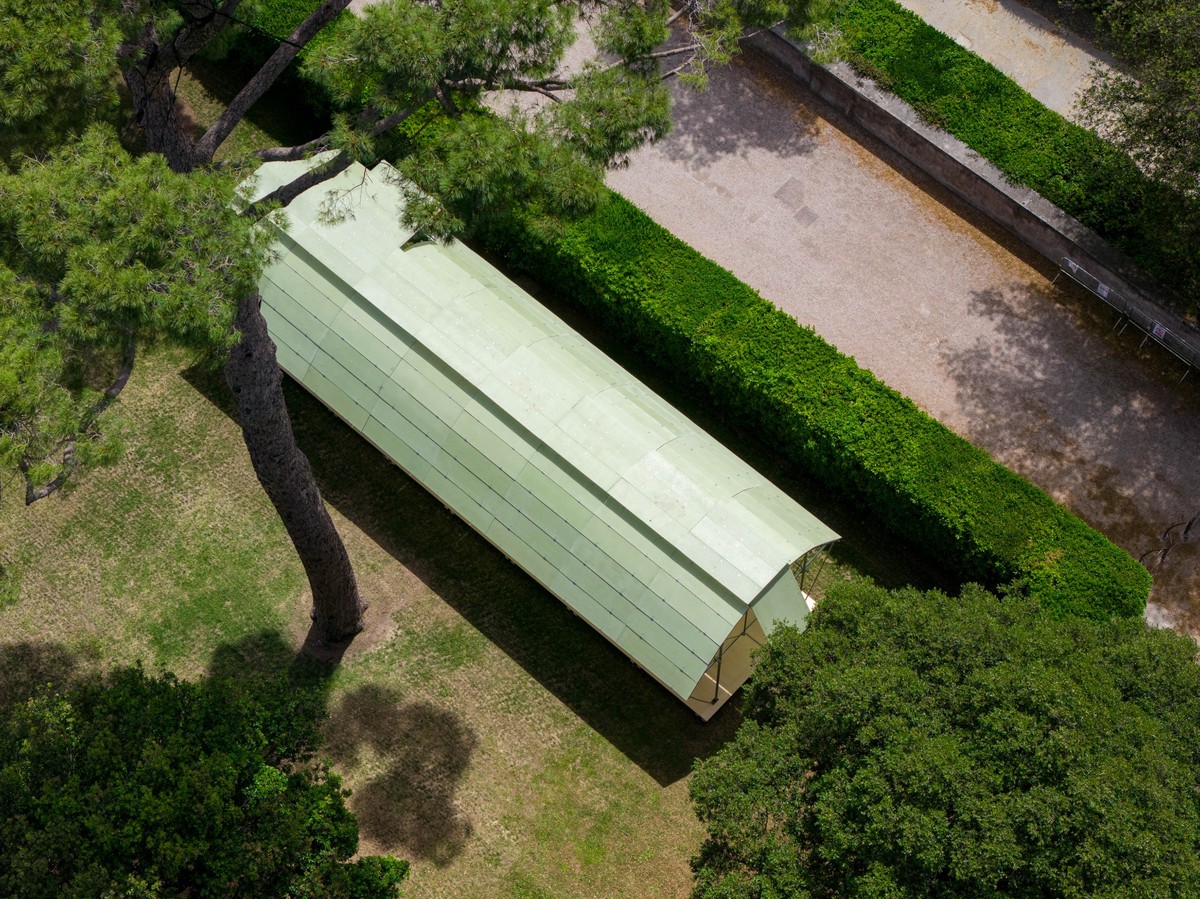


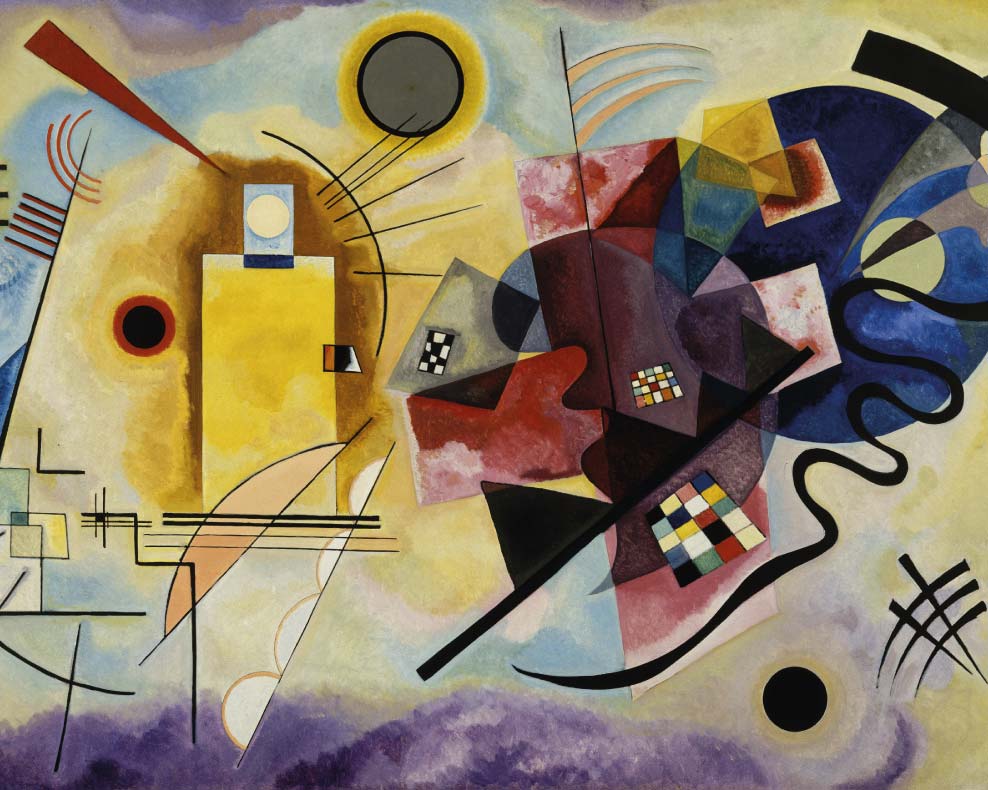
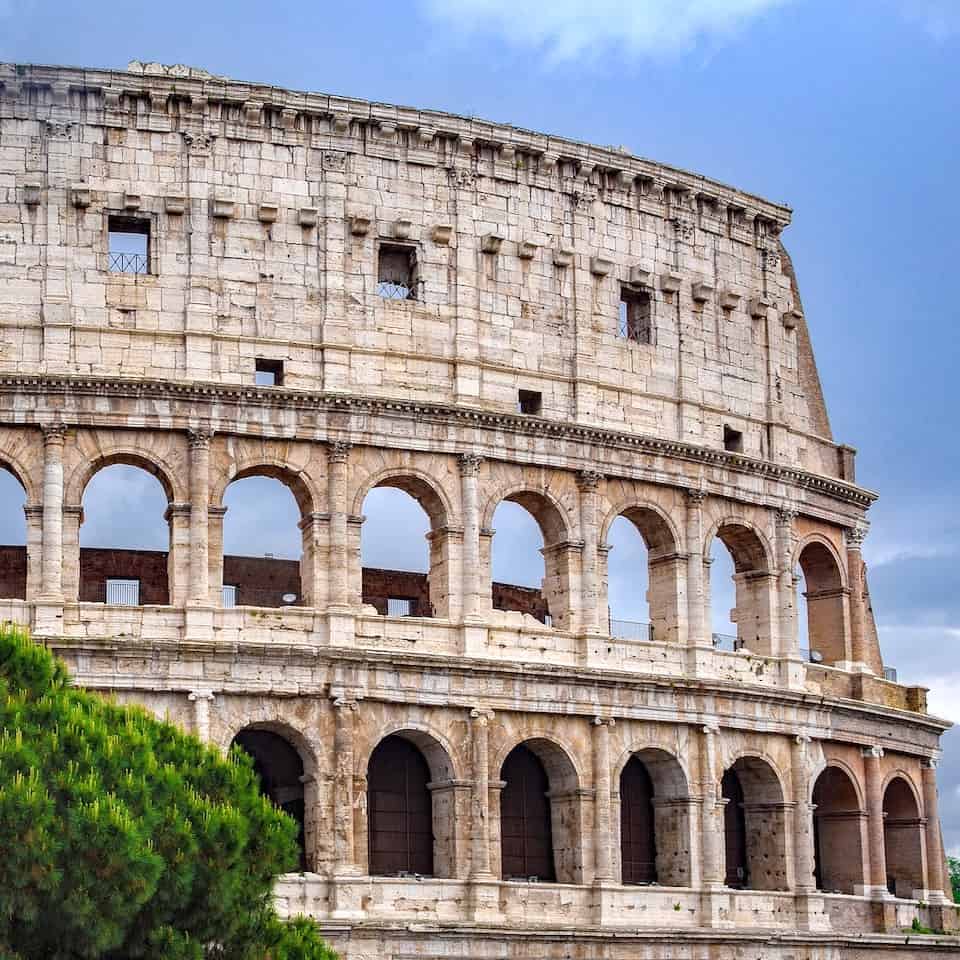
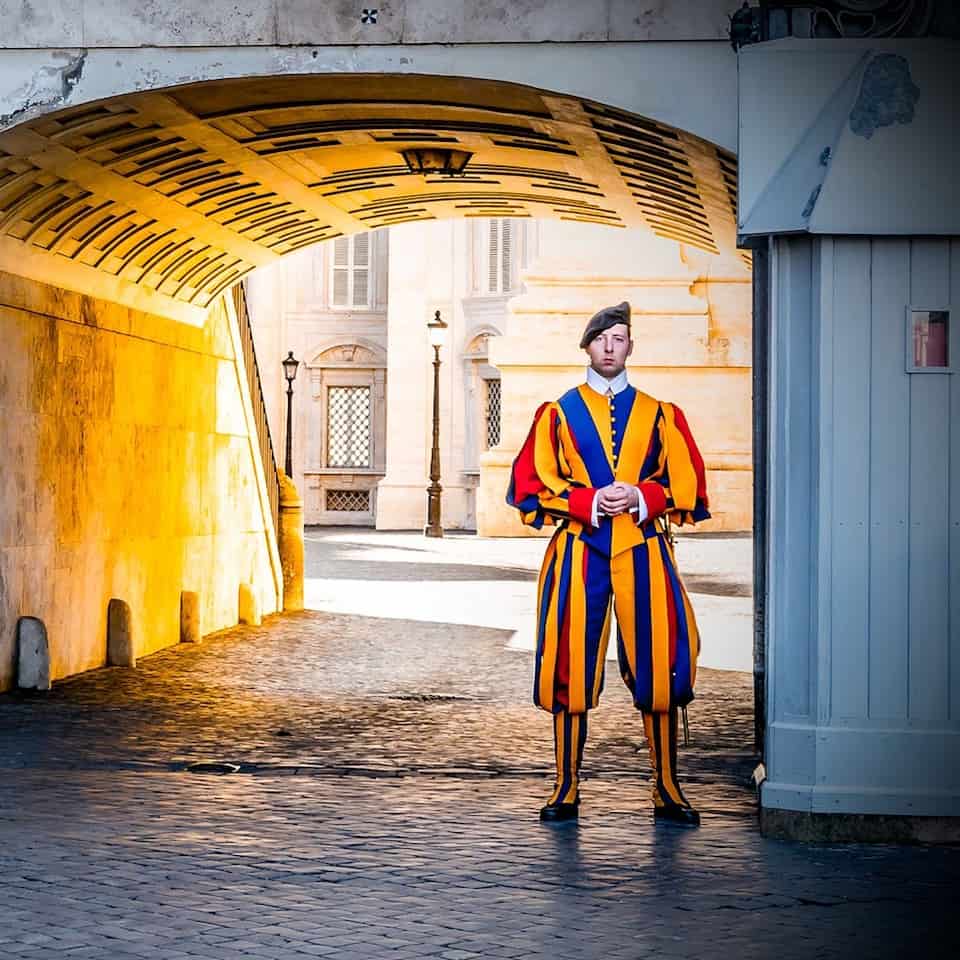
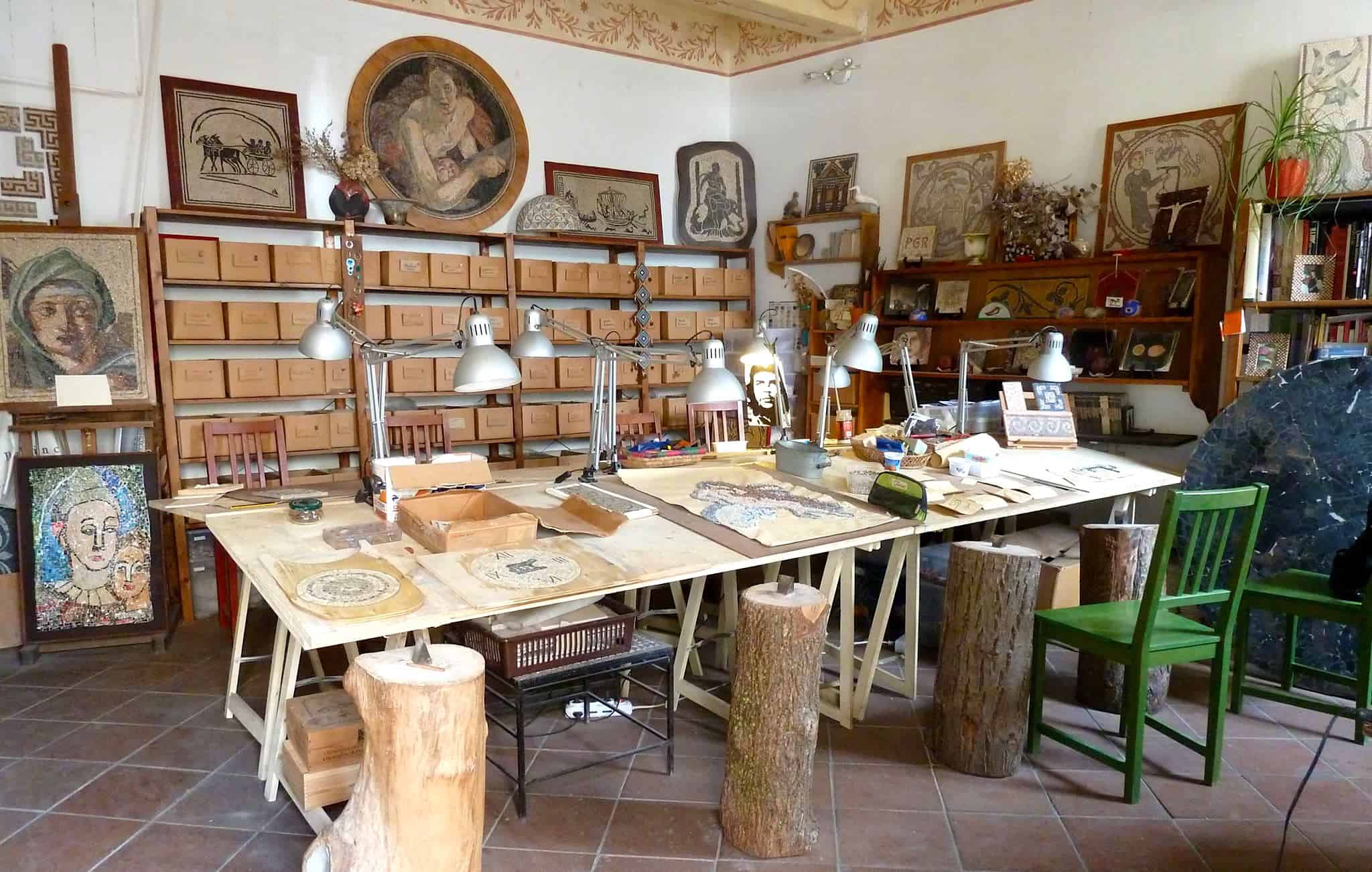
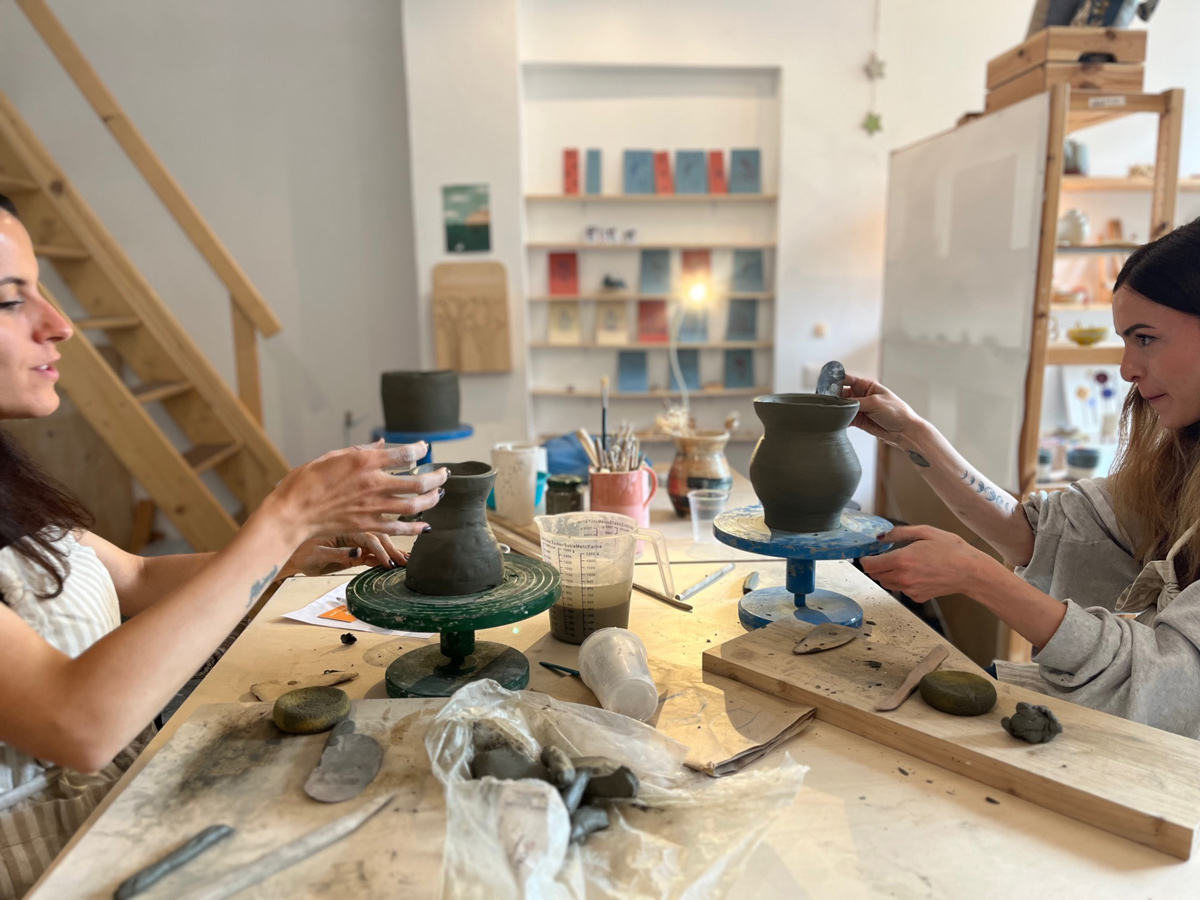




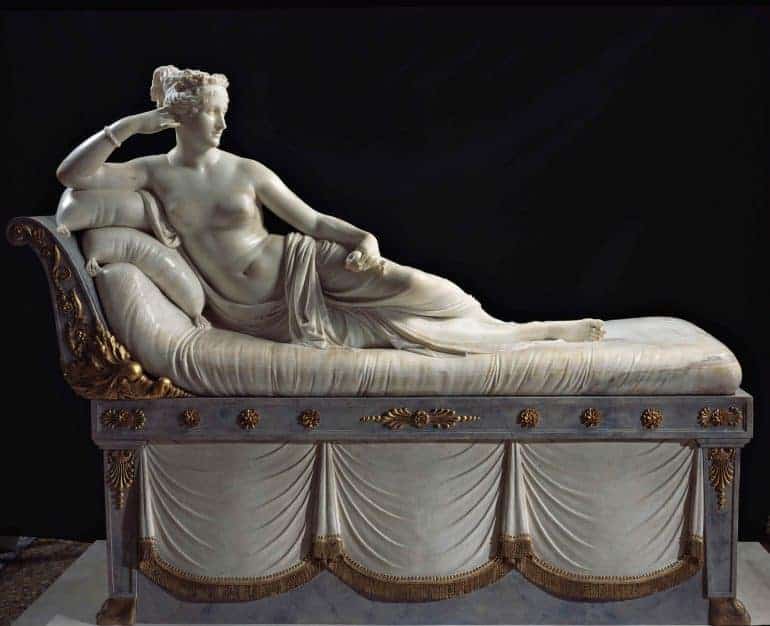
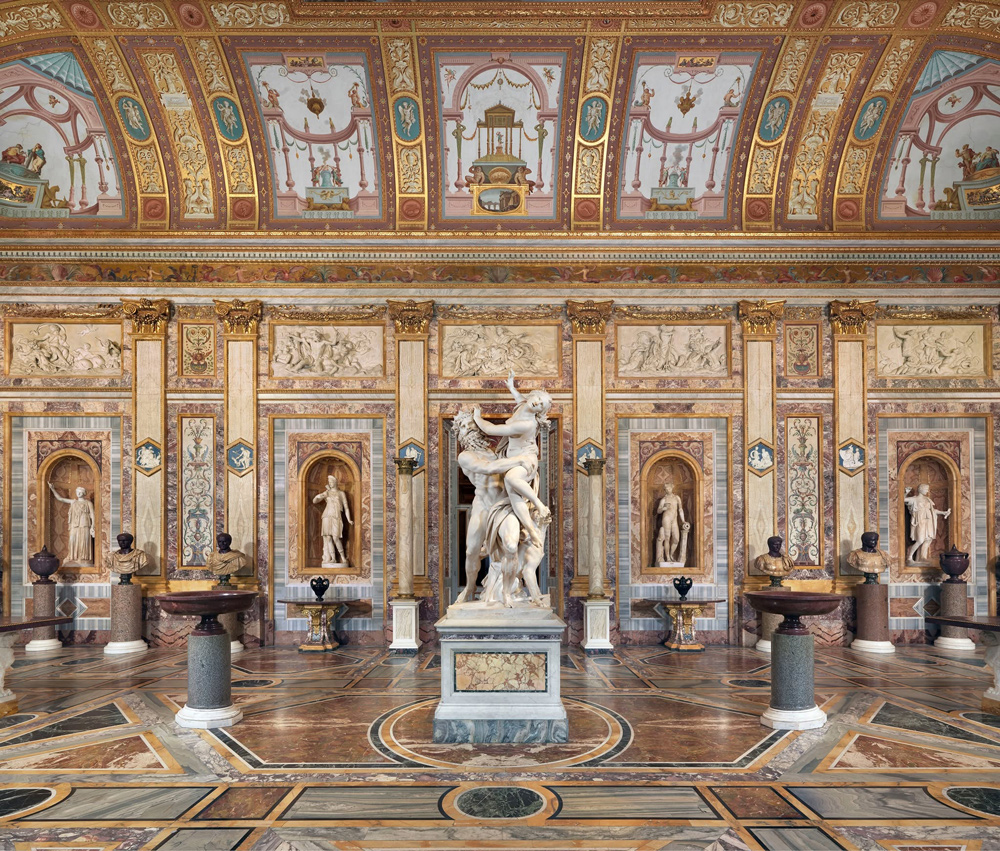
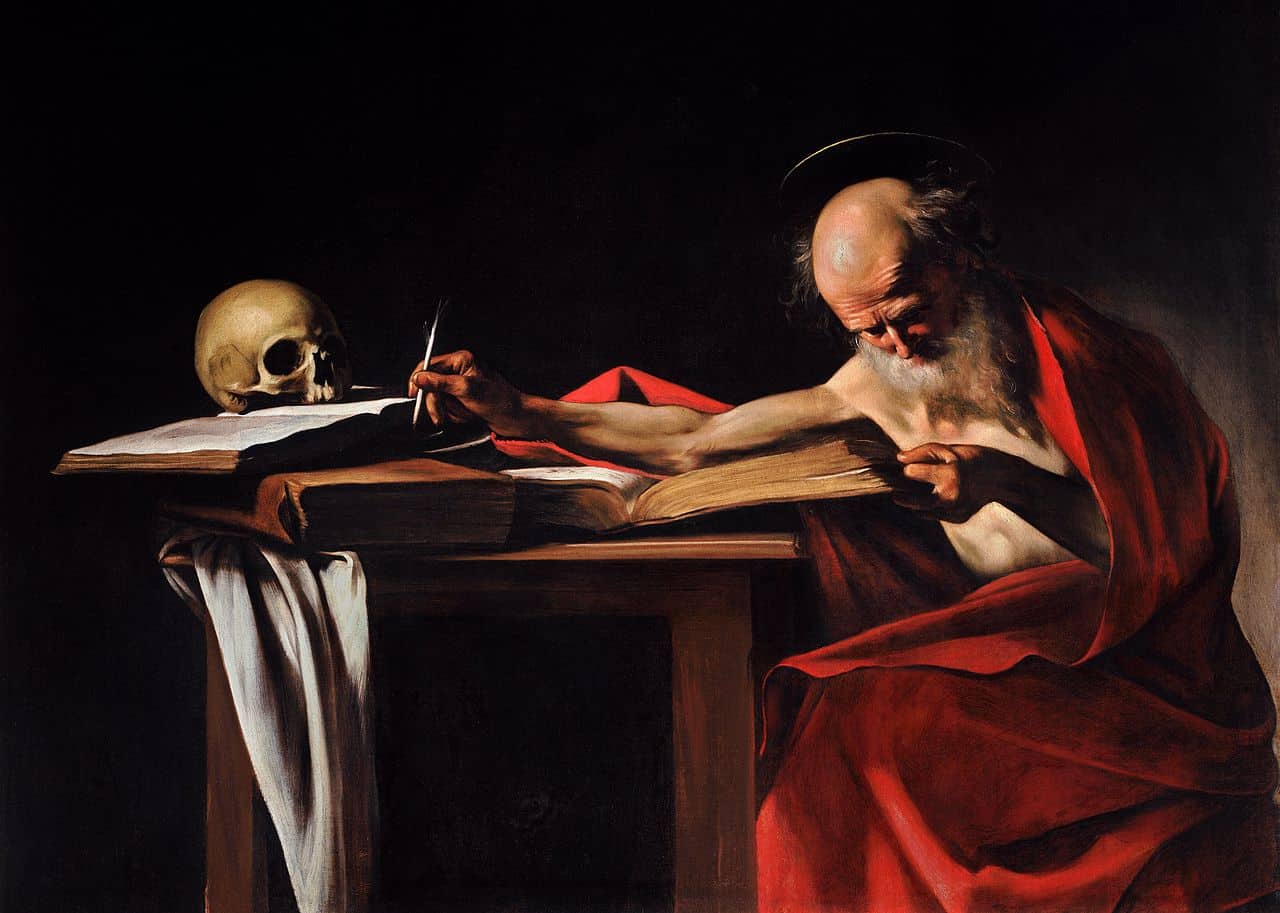
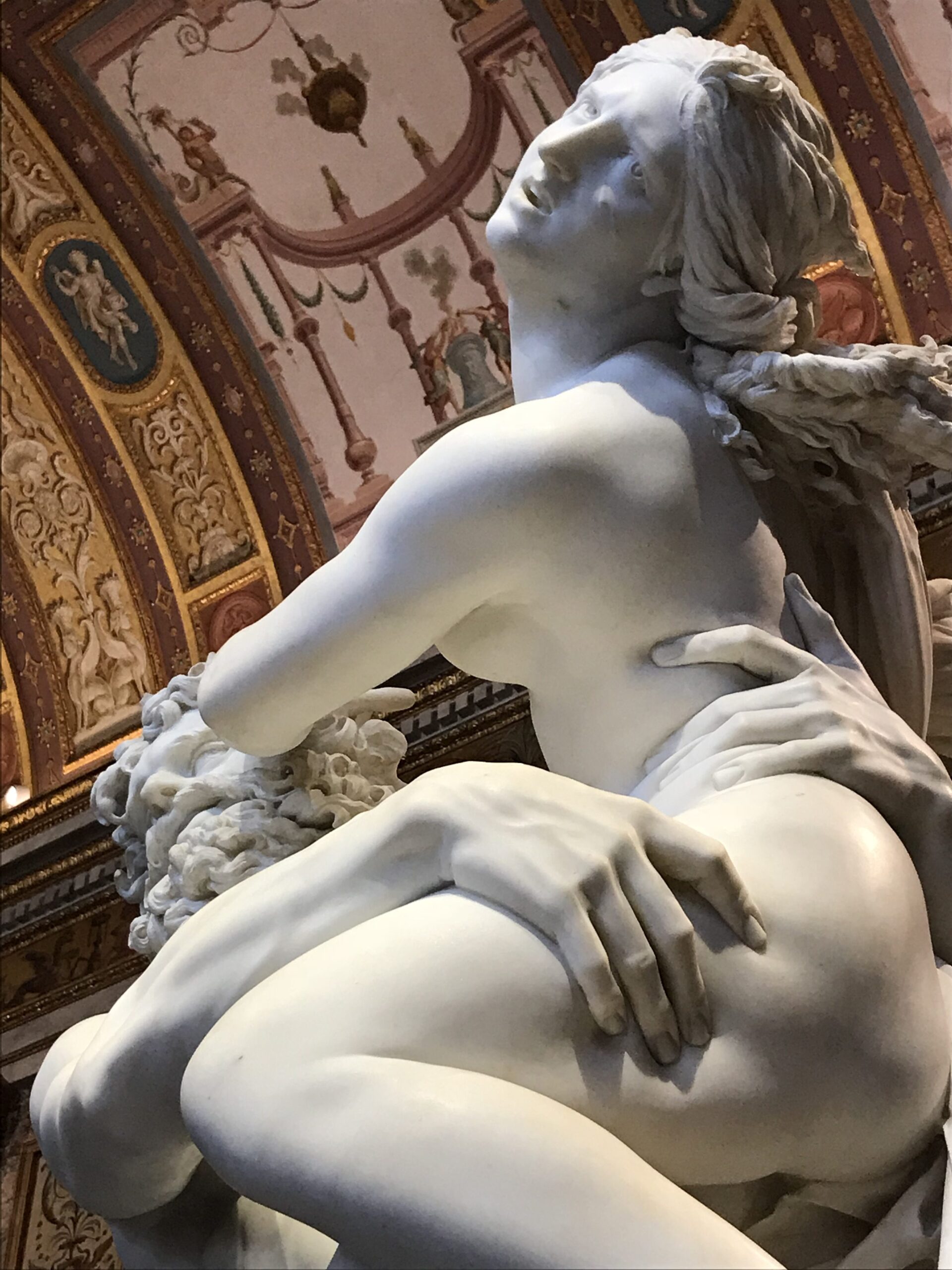


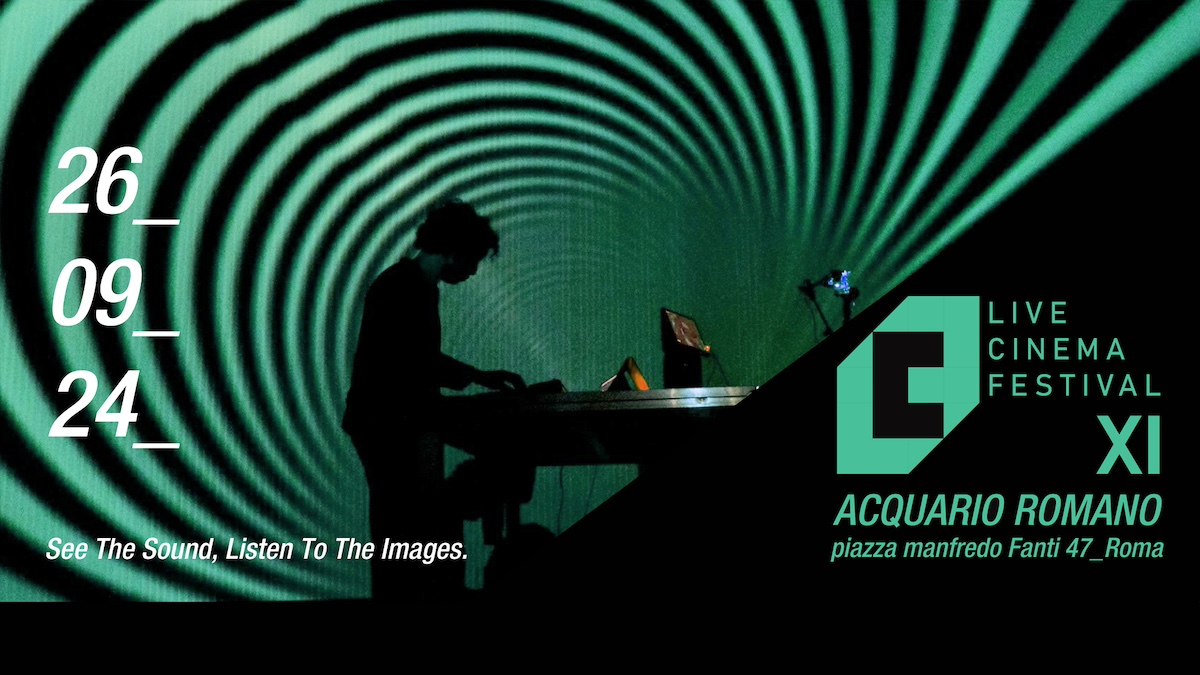
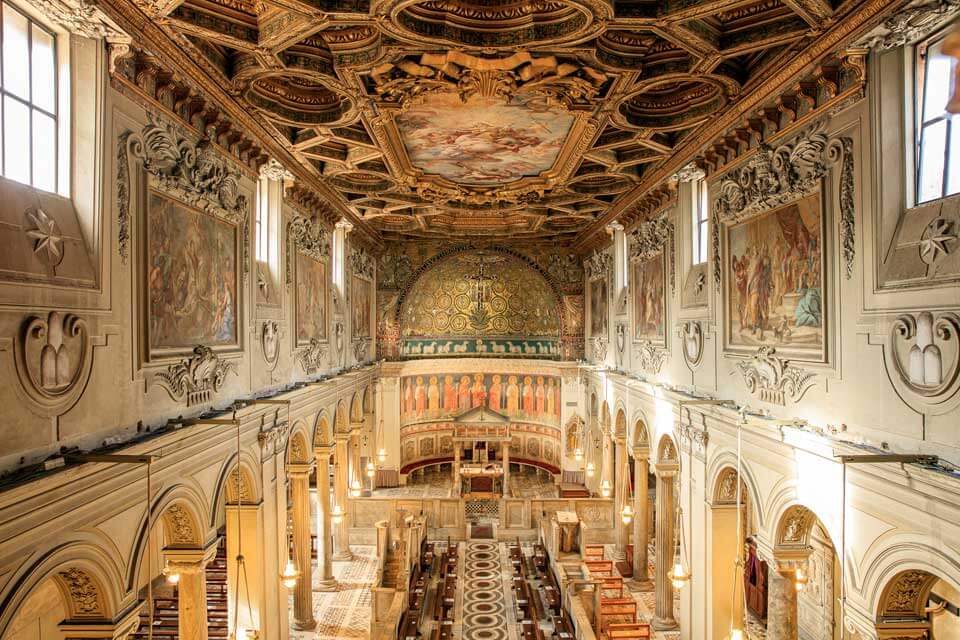
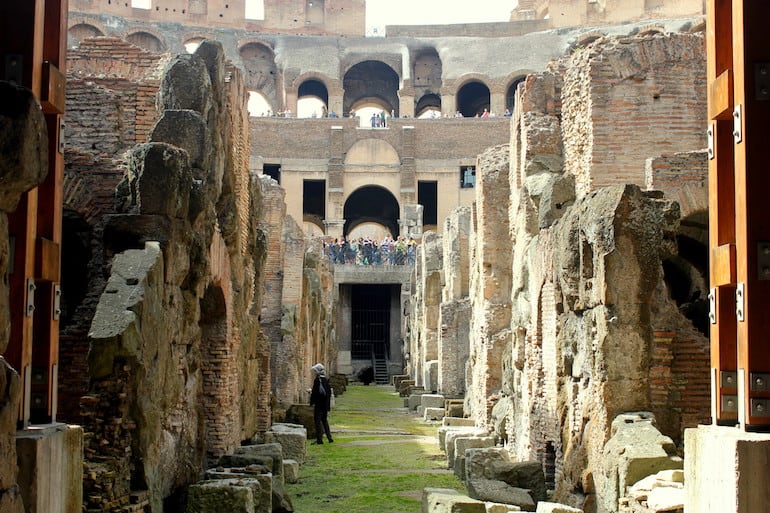
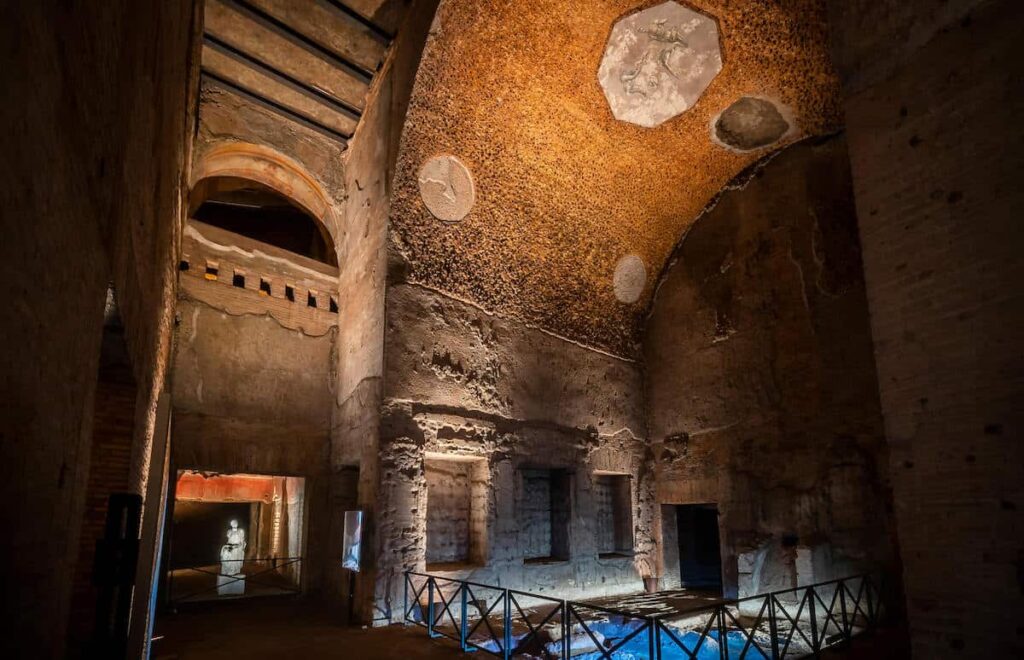
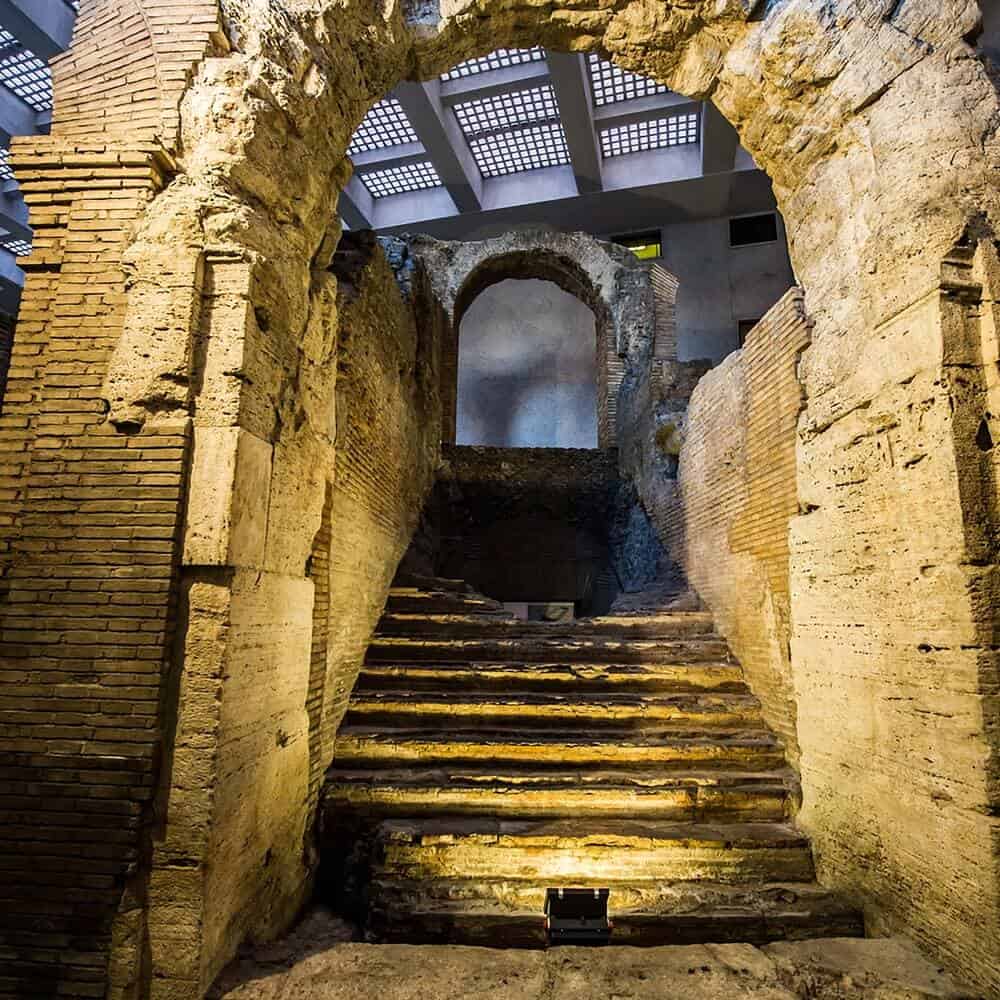
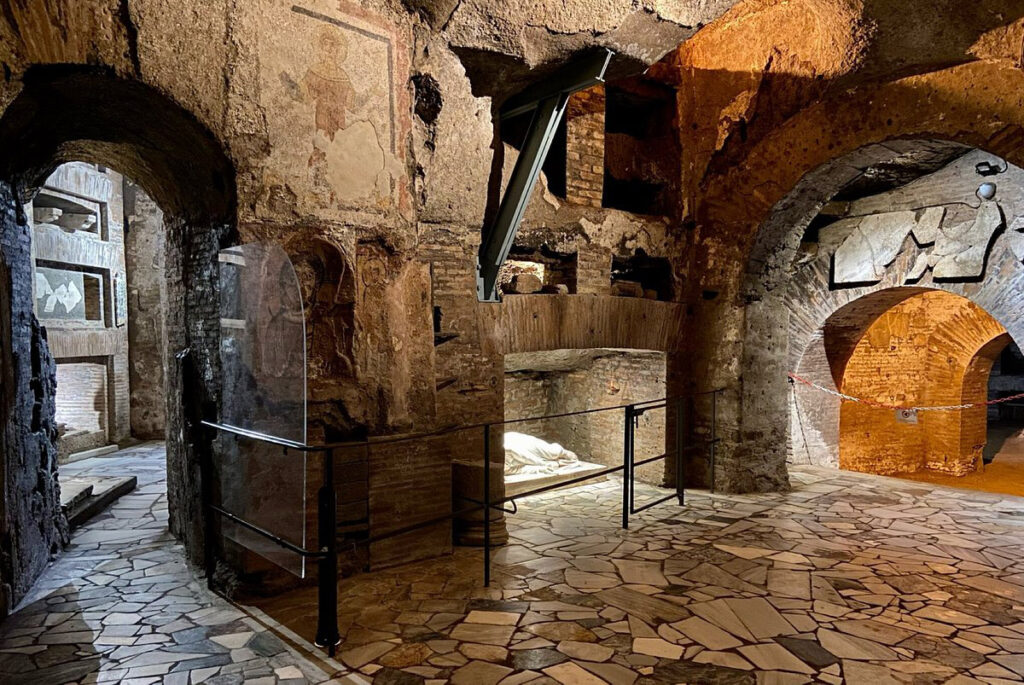
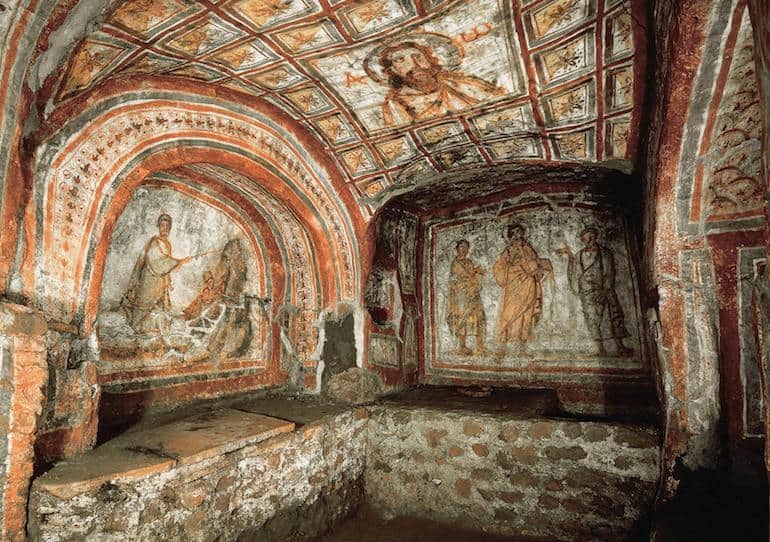
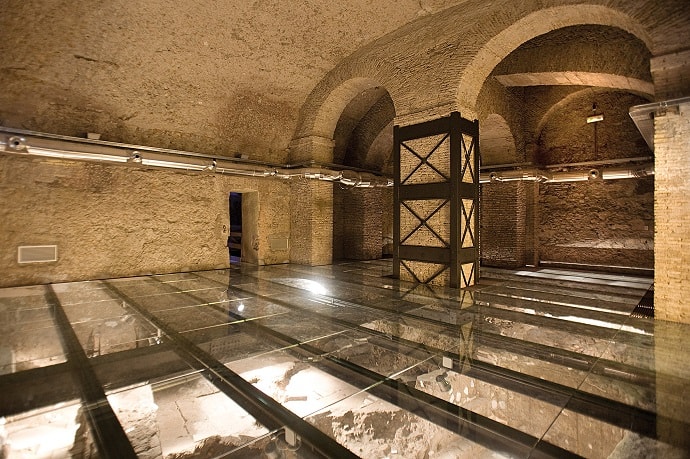
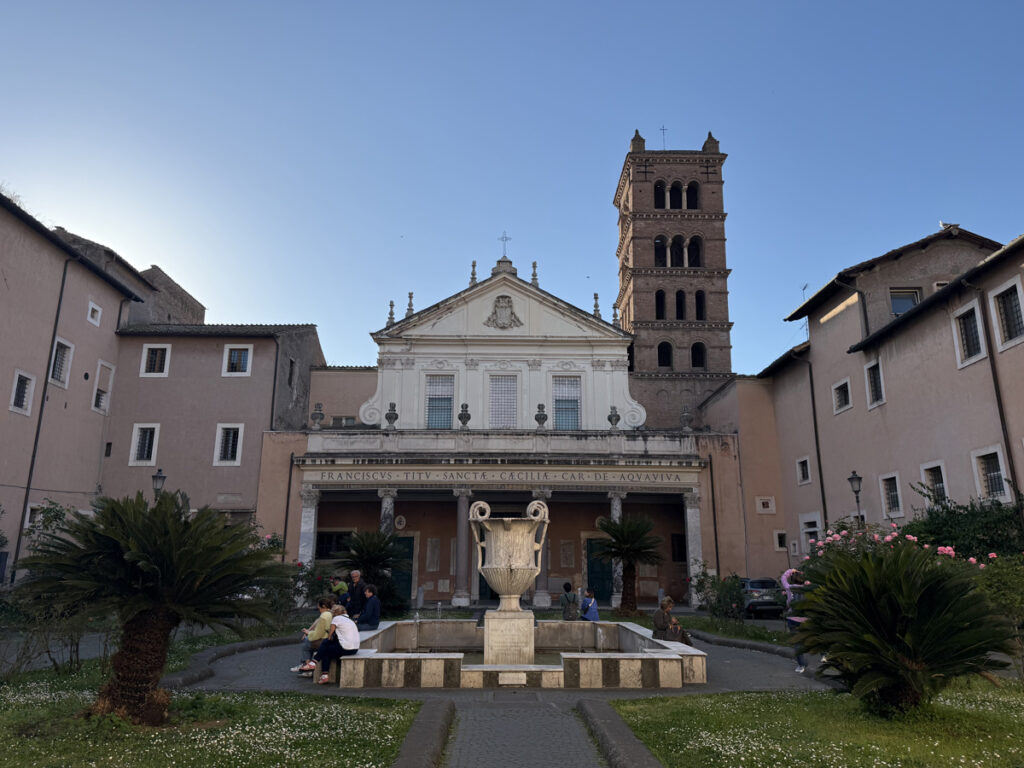
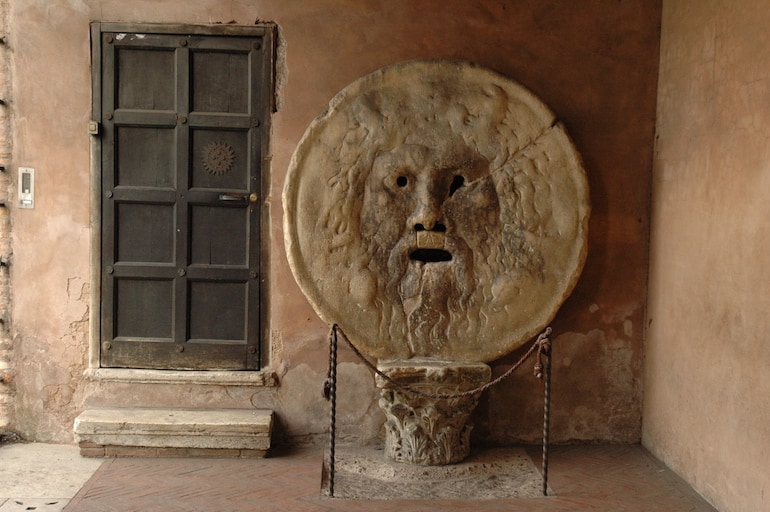
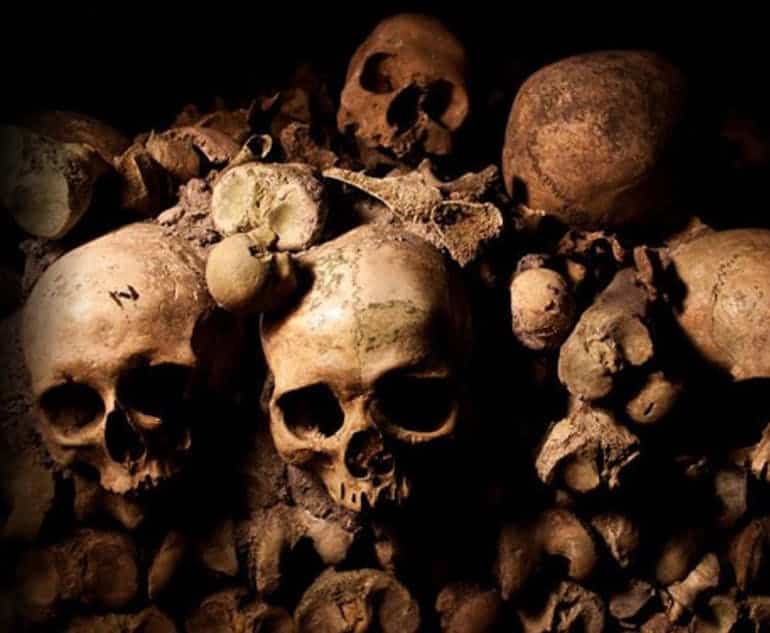
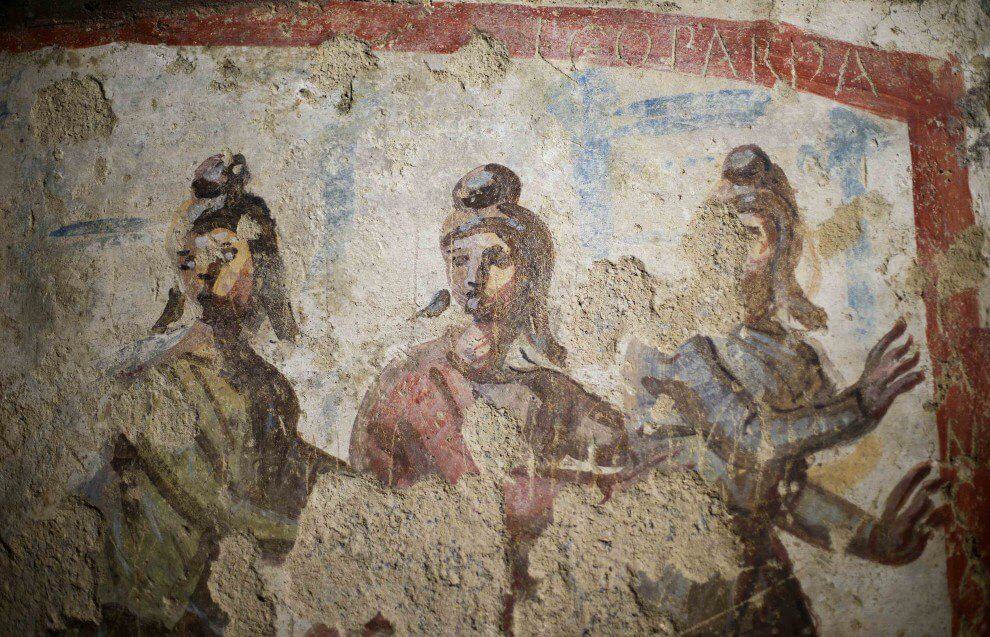


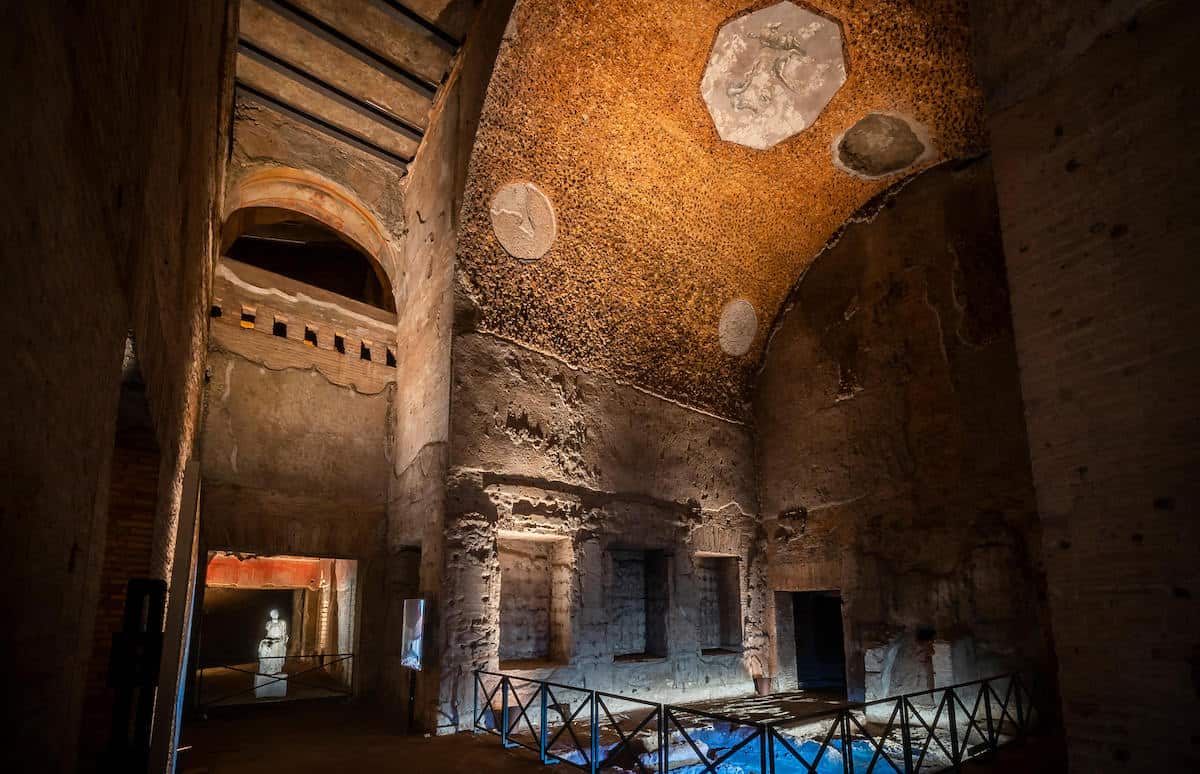



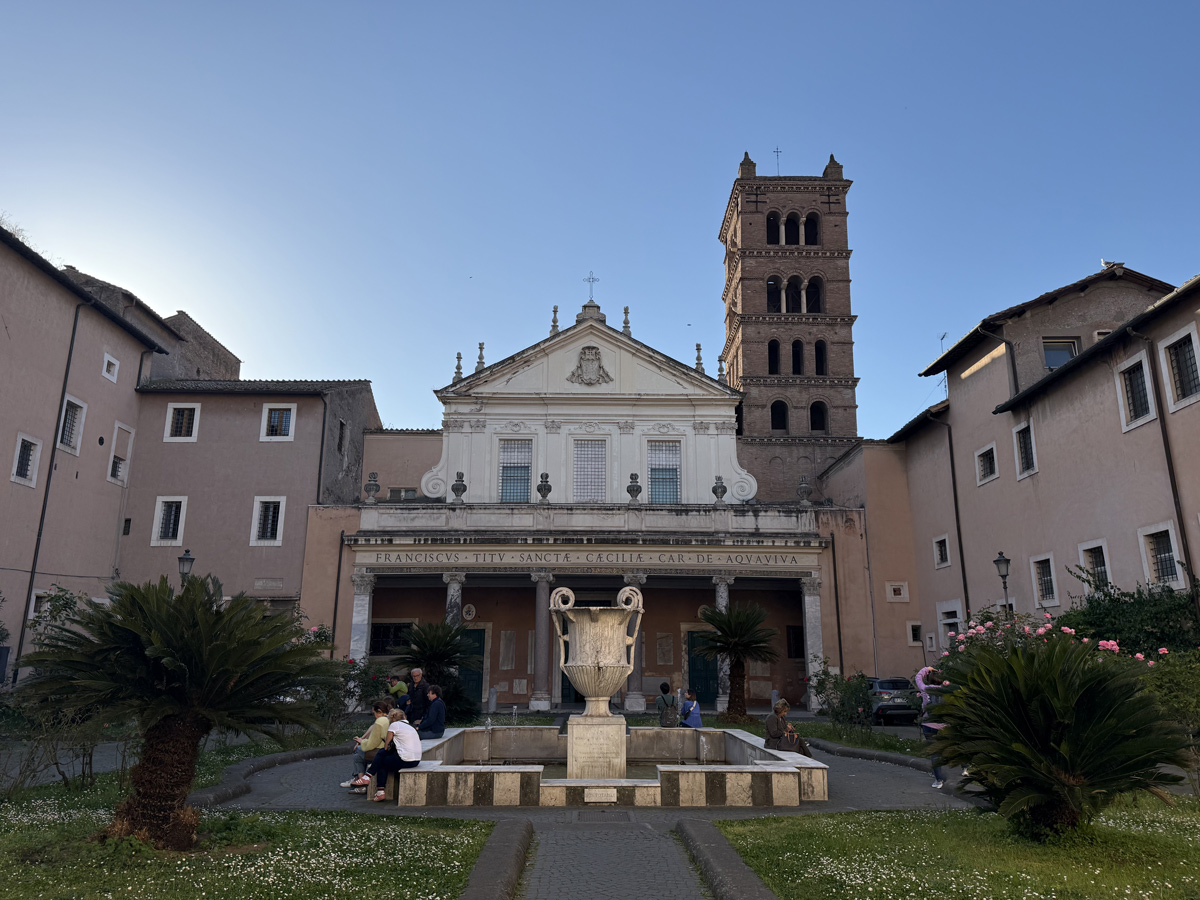



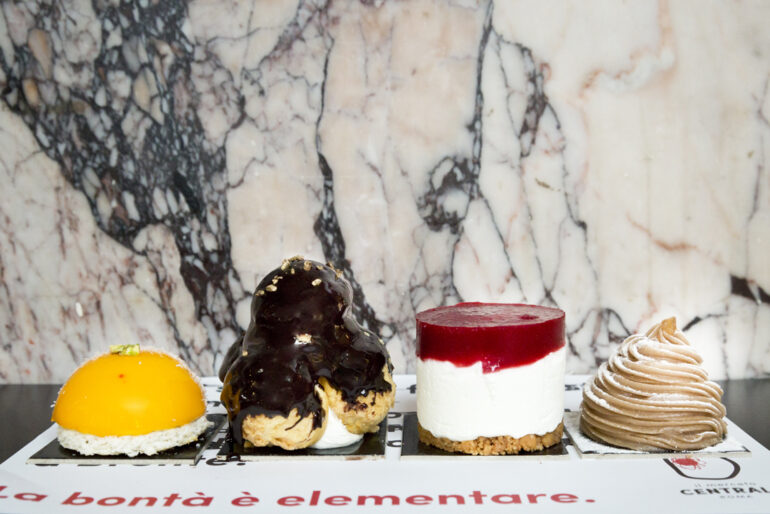
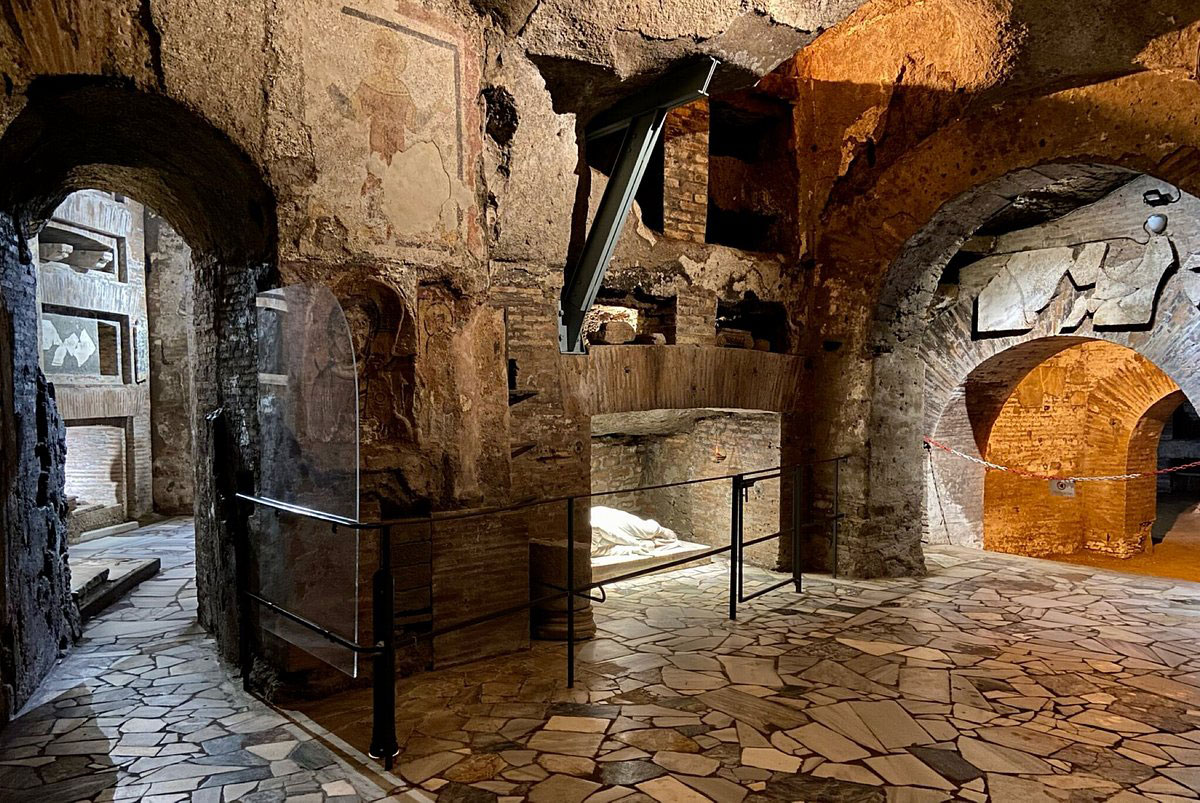
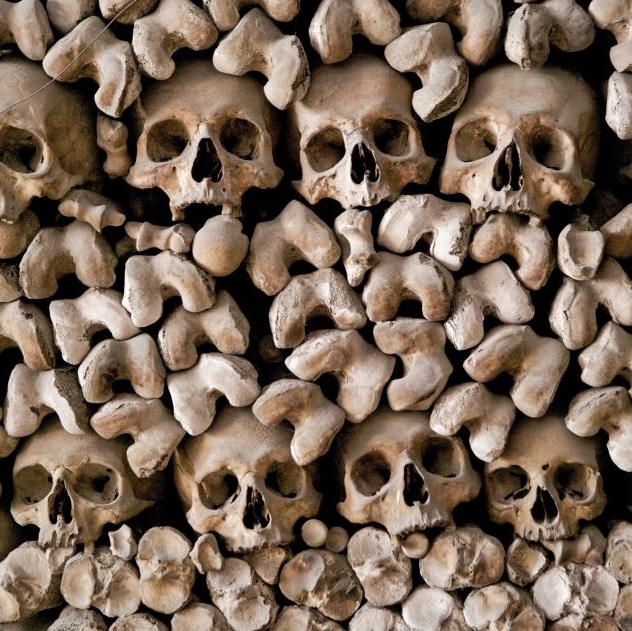
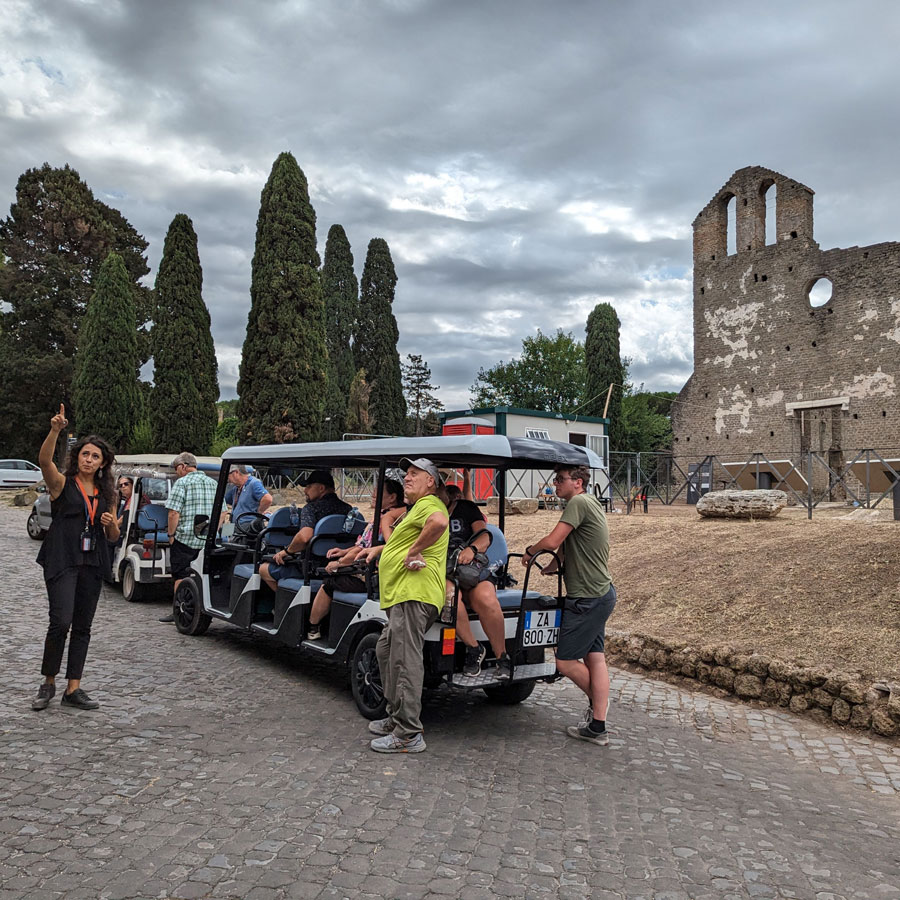
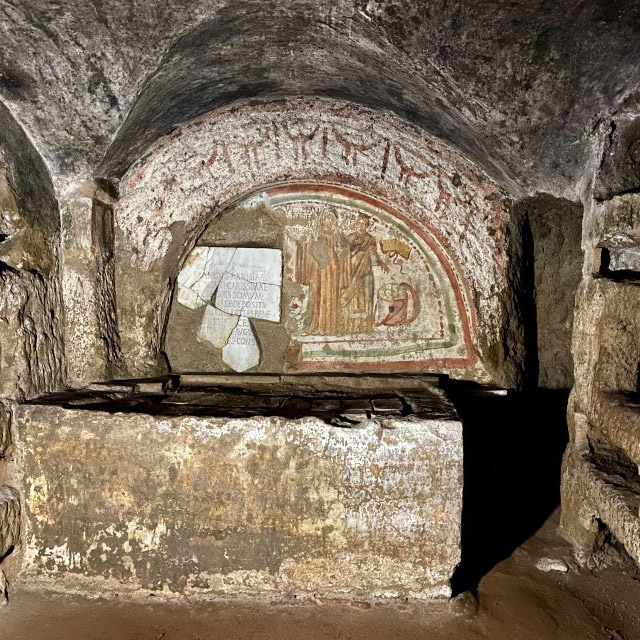
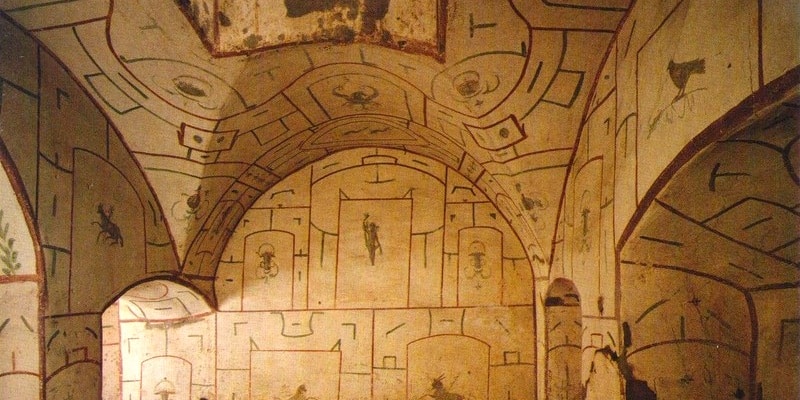
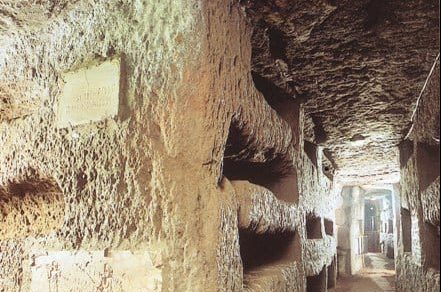
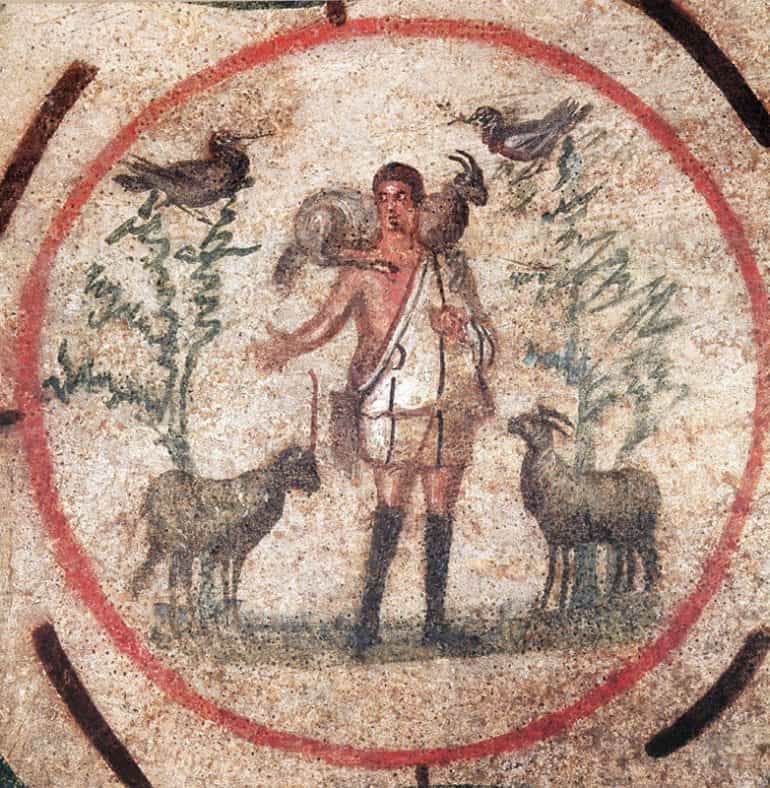
 You can check the tour here: